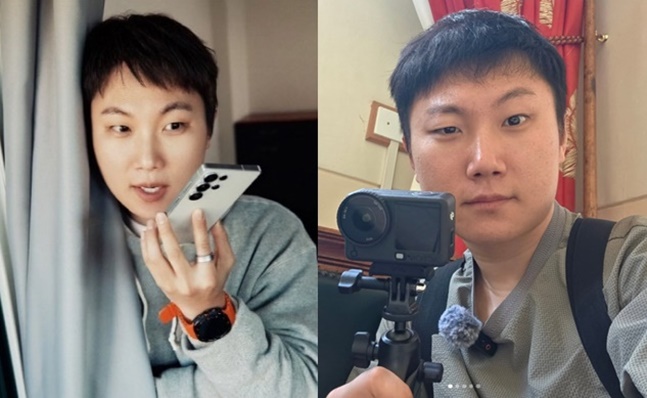
Travel YouTuber Pani Bottle confessed to experiencing a yo-yo effect.
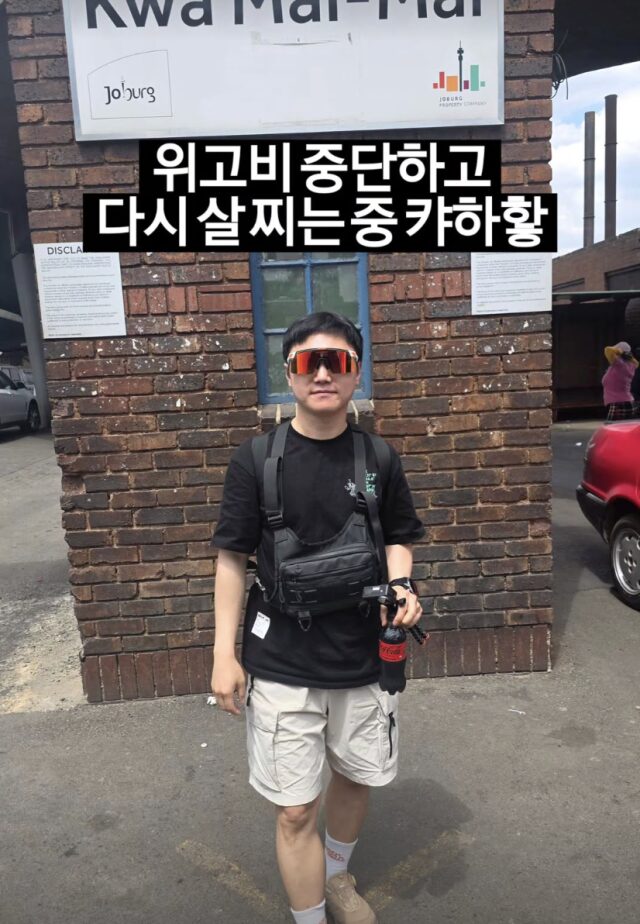
Pani Bottle recently posted a photo taken during his travels on his social media (SNS). He is seen in a comfortable outfit of a short-sleeve t-shirt and shorts, wearing sunglasses and carrying a backpack. Pani Bottle caught attention with the caption, "I stopped Wegovy and I'm gaining weight again." In the photo, he appears to have gained weight in his cheeks and lost the sharp jawline he had during his weight loss, honestly acknowledging the change, even though the yo-yo effect isn't severe.
Pani Bottle revealed that he successfully lost weight using the obesity treatment Wegovy last April. He mentioned that he lost about 10kg from the 70kg range, bringing his weight down to 64-65kg. He was the first celebrity to officially disclose the 'Wegovy Diet.' At that time, Pani Bottle stated that after using Wegovy, his appetite decreased, leading to a natural reduction in food intake. However, after four months, he experienced side effects such as nausea and decided to stop, urging others to "consult a doctor."
Netizens expressed their curiosity, asking, "Is it true that you gain weight again after stopping Wegovy?" "Does that mean I have to stay on Wegovy for life?" "If Wegovy reduces the stomach, shouldn't you eat less?" "Isn't it just temporary weight gain from eating while traveling?"
While there are increasing cases of successful weight loss with obesity treatments, as Pani Bottle mentioned, there are also side effects. Symptoms such as nausea, vomiting, diarrhea, constipation, and abdominal pain can occur with dosage increases, along with headaches, fatigue, and dizziness. There are also reports of experiencing a yo-yo effect after stopping the treatment. Why does weight gain occur after discontinuing obesity treatments, and is there no solution?
Did I gain weight after stopping Wegovy?
GLP-1 class obesity treatments like Wegovy (semaglutide) help with weight loss by suppressing appetite and increasing satiety, but these effects disappear when the treatment is stopped, leading to weight gain. Pani Bottle also successfully lost 10kg with Wegovy but mentioned that he is gaining weight again after stopping. Some who have stopped the injections report, "It felt like a switch was turned on, and suddenly I was very hungry."
Wegovy sends satiety signals to the brain, reducing appetite and slowing gastric emptying. When the medication is stopped, appetite returns to above its original level, and the body resists weight loss by reducing calorie expenditure. Obesity is a chronic disease, and after stopping medication, metabolic changes and habitual adaptations can easily lead to a yo-yo effect.
Is it true that you gain weight faster after stopping Wegovy?
According to a study conducted in the UK, the rate of weight gain after stopping GLP-1 class medications like Wegovy and Mountaro is four times faster than if one only relied on diet and exercise. Overweight and obese patients who used weight loss injections lost an average of about 20% of their body weight. However, after stopping treatment, they gained an average of 0.8kg per month, which means they could return to their pre-treatment weight in about a year and a half. In contrast, those who lost weight through dietary control or exercise had a relatively smaller weight loss, but their rate of weight gain after stopping was much slower, averaging around 0.1kg per month.
Dr. Susan Jebb from the University of Oxford, the author of the study, emphasized, "Those considering weight loss injections should be aware of the risk of rapid weight regain after treatment ends."
Wegovy and Mountaro mimic the action of the hormone GLP-1 that regulates appetite, and it is known that artificially supplying GLP-1 at levels higher than normal for an extended period can reduce natural GLP-1 secretion or lead to desensitization to the hormone's effects, which is believed to be a reason for rapid weight regain.
How to maintain weight after stopping?
According to the UK National Health Service (NHS), there is no clear prescription duration limit for Mountaro, but Wegovy can only be prescribed for a maximum of two years. Long-term use of Wegovy can lead to side effects such as decreased muscle mass and bone density, nutritional deficiencies (vitamin and mineral shortages), and potential gallbladder disease (gallstones) or kidney function decline. It is not feasible to rely on Wegovy indefinitely. Experts emphasize that "as the appetite-suppressing effects of the medication disappear upon discontinuation, the risk of overeating may increase," highlighting the importance of maintaining healthy eating habits and exercise.
First, obesity treatments should be approached with gradual weight loss. Do not stop suddenly; instead, gradually reduce the dosage to minimize appetite rebound.
Diet and exercise should also be combined. A protein-centered diet should include protein sources like meat, fish, and tofu at every meal, while focusing on vegetables and fiber to stabilize blood sugar levels. Engage in moderate aerobic exercise for 150 minutes a week, such as walking or running, and perform strength training 2-3 times a week to preserve muscle and boost metabolism.
By recording daily meals and exercise, one can detect changes in weight and maintain healthy habits in the long term. This increases the likelihood of maintaining weight after discontinuing obesity treatments.