Popular anti-obesity injections like Wegovy and Mounjaro reduce appetite and prolong feelings of fullness. Because patients naturally feel satisfied with smaller portions, daily calorie intake drops significantly, often leading to rapid weight loss. However, the weight lost during treatment does not come from fat alone—muscle mass frequently declines as well.
If treatment is discontinued, appetite can return quickly, driving up food intake and leading to rebound weight gain. To minimize this risk, patients need to maintain healthy dietary habits and continue resistance training throughout treatment. When smaller portions make consuming full meals challenging, selecting foods that deliver high amounts of protein in compact servings is an effective strategy.
To protect muscle mass during GLP-1 therapy, nutritional guidelines recommend consuming 1.2 to 1.6 grams of protein per kilogram of body weight daily during active weight loss. For a 70-kilogram (154-pound) individual, that equates to roughly 84 to 112 grams of protein per day.
Canned Tuna: Convenient, No-Cook Protein
Canned tuna requires no cooking and contains virtually zero carbohydrates while remaining rich in protein. Depending on processing, tuna provides approximately 20 grams of protein per 100 grams. A single 90-gram can of light tuna contains about 17 grams of protein and 195 calories, making it a simple, accessible way to supplement daily protein requirements.
Tuna is highly versatile for meal preparation. Combining a can of tuna with half a bowl of rice and fresh vegetables—such as cucumbers, cabbage, or lettuce—creates a complete, balanced meal. It can also top a green salad paired with boiled eggs and beans, or be wrapped in seaweed or perilla leaves. However, because nutrition profiles vary by product and added sauces increase sugar and sodium, checking product labels is recommended.
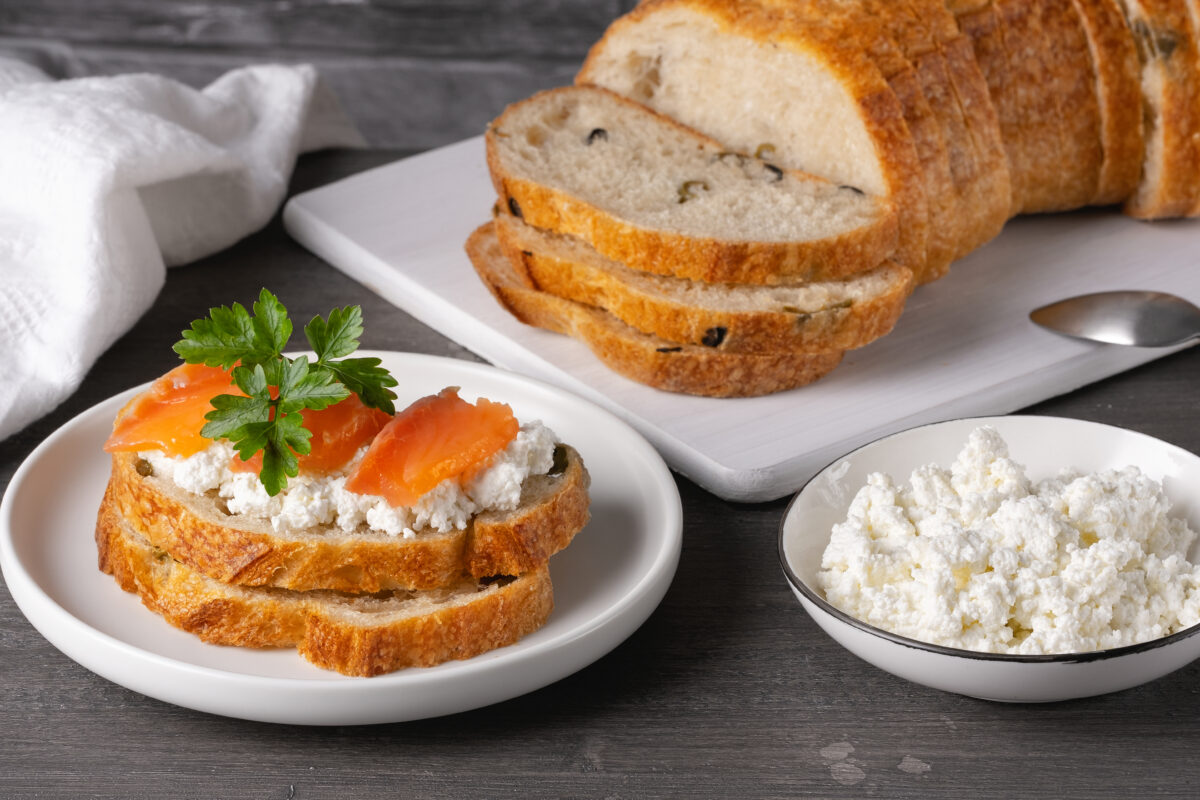
Cottage Cheese: Easy to Consume When Appetite Is Low
For those seeking an alternative to milk or yogurt, cottage cheese offers a practical option. A fresh, unaged cheese made by curdling milk, cottage cheese features high moisture content and a soft, curdy texture that requires minimal effort to eat.
Standard cottage cheese contains roughly 11 to 13 grams of protein per 100 grams—yielding around 10 grams of protein per two-thirds of a cup serving. This makes it particularly helpful when a reduced appetite makes dense foods that require extensive chewing, such as meat or fish, feel unappealing.
Cottage cheese can be served over sliced tomatoes or cucumbers, added to salads, or spread onto whole-grain toast with fruit. Because fat, sodium, and added sugar levels vary widely across commercial brands, reviewing the nutrition facts per serving is essential.
Shrimp: A Low-Fat Alternative to Chicken Breast
For patients tired of chicken breast, shrimp provides a high-protein, low-fat alternative. With a firm texture and small individual size, shrimp is easy to portion according to specific dietary needs.
Cooked shrimp contains approximately 20 to 24 grams of protein per 100 grams. Consuming roughly 8 to 10 medium-sized raw shrimp yields around 20 grams of protein.
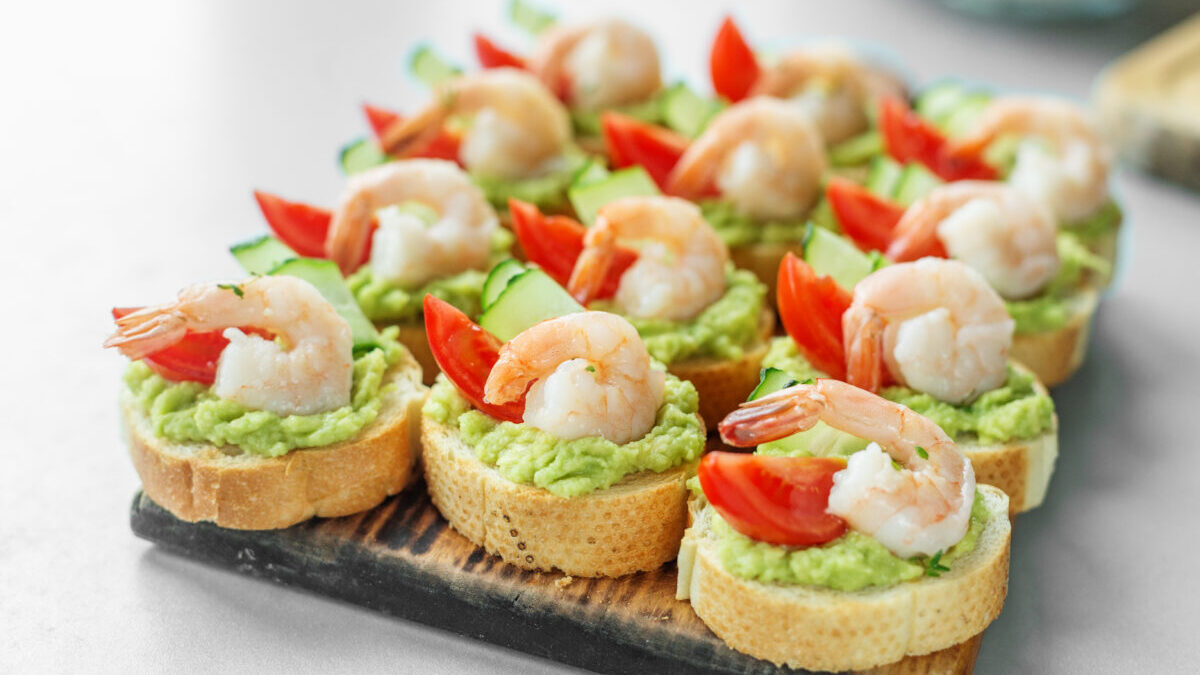
Using frozen shrimp simplifies prep time. Shrimp can be layered with mashed avocado and cheese on whole-grain toast for a bruschetta-style meal, or served on thinly sliced cucumber rounds as canapés. Adding shrimp to steamed eggs, stir-fried vegetables, or grain dishes also offers a quick protein boost.
To maximize the health benefits, attention should be paid to cooking methods. Sautéing shrimp in heavy butter or pairing it with rich cream sauces adds unnecessary calories and fat. Additionally, some frozen shrimp products contain added sodium or phosphate preservatives, making ingredient checks worthwhile before purchasing.