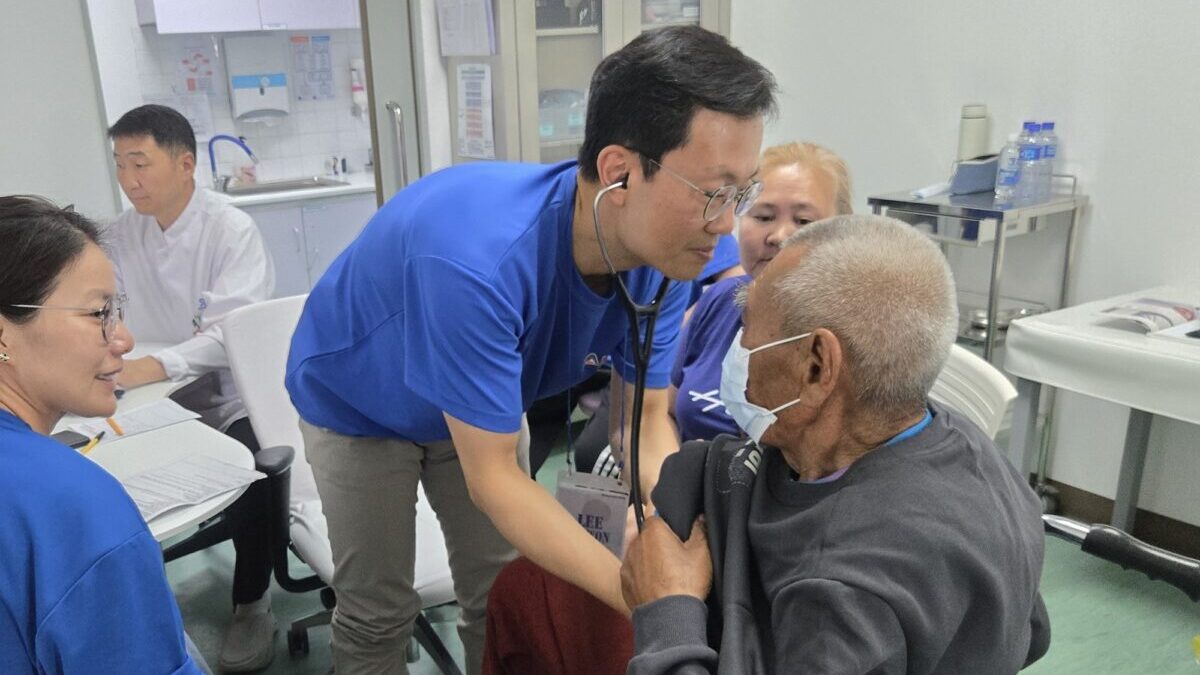
For residents of northern Mongolia living more than 400 kilometers from the capital, Ulaanbaatar, accessing specialized cancer diagnosis and treatment has long meant an arduous journey. To address this gap, a medical team from Asan Medical Center (AMC) traveled to the region, providing care to roughly 750 patients while laying the groundwork for long-term healthcare self-reliance.
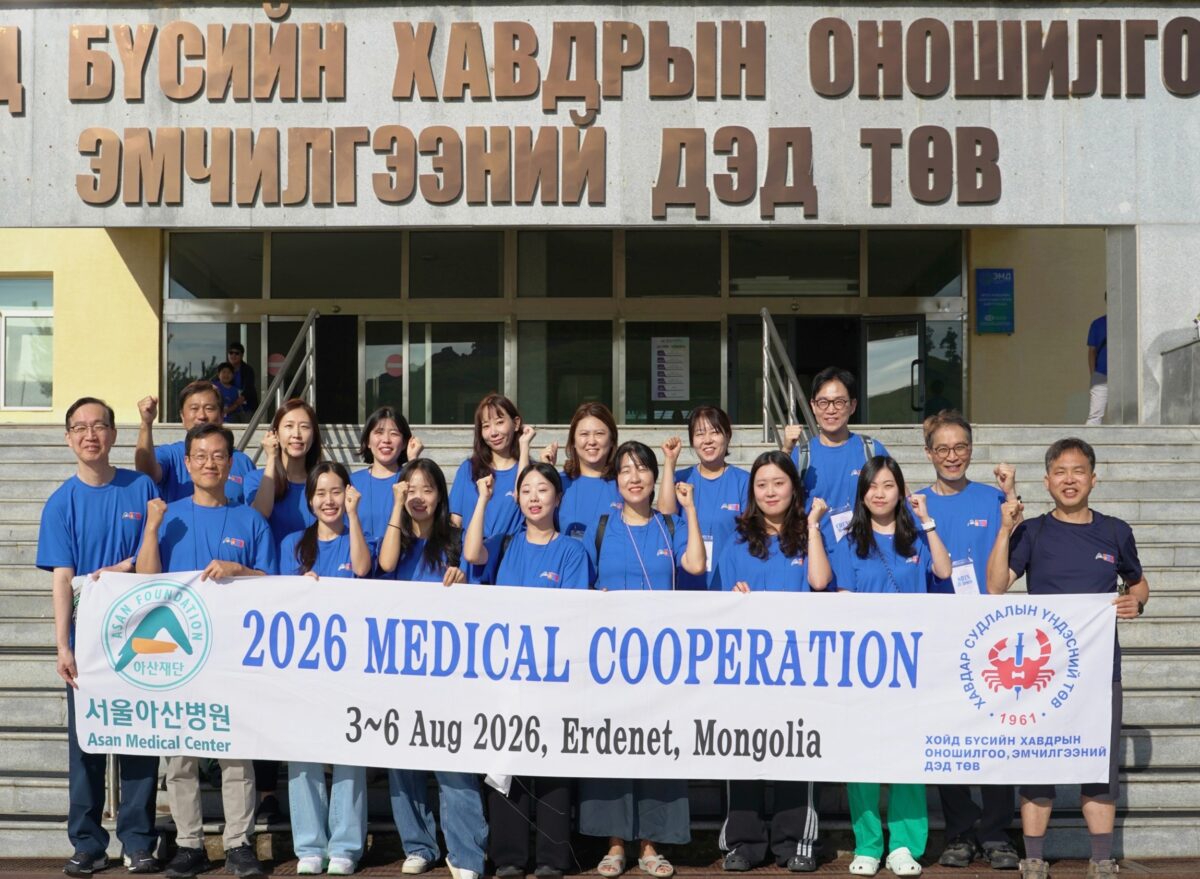
AMC announced on Aug. 13 that an overseas medical cooperation team, led by pulmonology professor Lee Se-won, visited Erdenet, Mongolia’s second-largest city, from Aug. 3 to 6. Operating out of the Northern Regional Cancer Center—a branch of the National Cancer Center of Mongolia—the team delivered clinical care while sharing advanced diagnostic and treatment techniques with local physicians.
From Short-Term Relief to Long-Term Cooperation
Rather than framing the initiative as a conventional, one-off medical mission, AMC designated the group an "overseas medical cooperation team." The shift reflects a strategic transition from one-way volunteer care to sustainable capacity building, ensuring local clinicians gain the expertise needed to treat patients independently.
The 16-member team comprised seven physicians specializing in pulmonology, breast surgery, radiology, and general surgery, alongside eight nurses and one biomedical engineer. Originally planned as a three-day clinic, the schedule was extended by a day to accommodate overwhelming patient demand.
Over four days, the team evaluated approximately 750 patients, predominantly presenting with respiratory, gastrointestinal, and suspected breast conditions. The team performed 150 breast ultrasounds, 80 abdominal and thyroid ultrasounds, and six core needle breast biopsies.
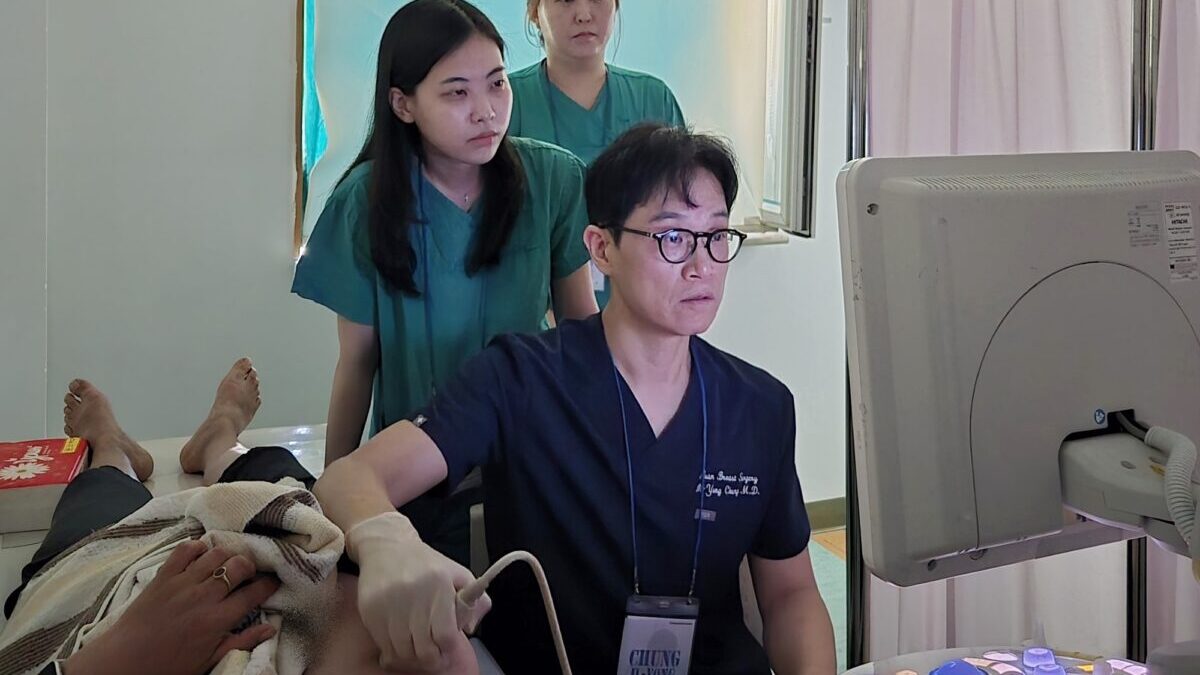
Beyond direct clinical care, the team conducted joint diagnostic evaluations and bedside teaching. For a patient preparing for breast cancer surgery, AMC surgeons performed an ultrasound alongside local doctors to guide surgical planning. The team also performed specialized breast biopsies that were previously unavailable locally due to a lack of resident specialists. Supplementary lectures covered oncology nursing, intensive care unit management, and medical equipment maintenance.
Addressing Structural Healthcare Barriers in Erdenet
Erdenet, located in Orkhon Province, developed as an industrial hub around copper mining following the discovery of major deposits in the mid-1970s. With a population exceeding 100,000, it hosts the world’s fourth-largest copper mine. However, pervasive industrial dust has contributed to high rates of respiratory illness, and northern Mongolia currently records the highest cancer incidence in the country.
Diagnostic infrastructure in the region remains severely constrained, with 71.3% of cancer cases diagnosed at advanced stages. Prior to recent developments, patients suspecting malignancy faced an eight-hour journey to Ulaanbaatar for definitive testing and therapy.
To reduce these regional health disparities, the Northern Regional Cancer Center opened in September 2025, aiming to establish an integrated regional care system spanning screening, surgery, chemotherapy, and follow-up care. Nevertheless, staffing shortages persist; the center lacks a permanent breast surgeon—relying on a visiting specialist from the capital once every two months—and has no permanent pulmonologist.
Sharing Clinical Expertise for Medical Self-Reliance
To address these systemic shortages, the AMC team prioritized clinical training, teaching local practitioners how to independently analyze diagnostic images and establish treatment plans.
“This medical cooperation initiative in Mongolia is meaningful because it went beyond treating individual patients to sharing clinical experience and elevating local capabilities,” said Prof. Lee Se-won, head of the medical cooperation team. “Many local patients had existing test results but lacked access to accurate interpretation and clear treatment guidance. Moving forward, we will continue consulting on complex cases and sharing the clinical expertise necessary to elevate cancer care across northern Mongolia.”
Following their work in Erdenet, the delegation traveled to Ulaanbaatar to meet with leadership at Agape Hospital and the National First Hospital of Mongolia. Discussions centered on future collaborative initiatives, including physician training programs and transfer protocols for critically ill patients requiring complex care in South Korea.
Fulfilling a Founding Humanitarian Mission
The initiative continues AMC’s long-standing partnership with Mongolia under its "Asan-in-Asia" project, which supports medical self-reliance across developing Asian nations. AMC’s liver cancer cooperation with Mongolia began in 2010 through training programs for staff at the National First Hospital of Mongolia. Through December 2025, 225 Mongolian healthcare professionals have completed clinical fellowships at AMC. Globally, more than 3,600 medical professionals from nearly 90 countries have trained at the medical center over the past decade.
In 2011, an AMC surgical team led by Prof. Lee Seung-gyu performed Mongolia’s first living-donor liver transplant. Ongoing technology transfer in hepatobiliary surgery has since enabled local surgeons to perform more than 300 successful living-donor liver transplants.
Rooted in the Asan Foundation’s founding principle to "help the most vulnerable neighbors in our society," AMC has conducted 59 overseas medical missions across 16 countries since 2009 while offering fully funded treatment in Korea for critically ill international patients.