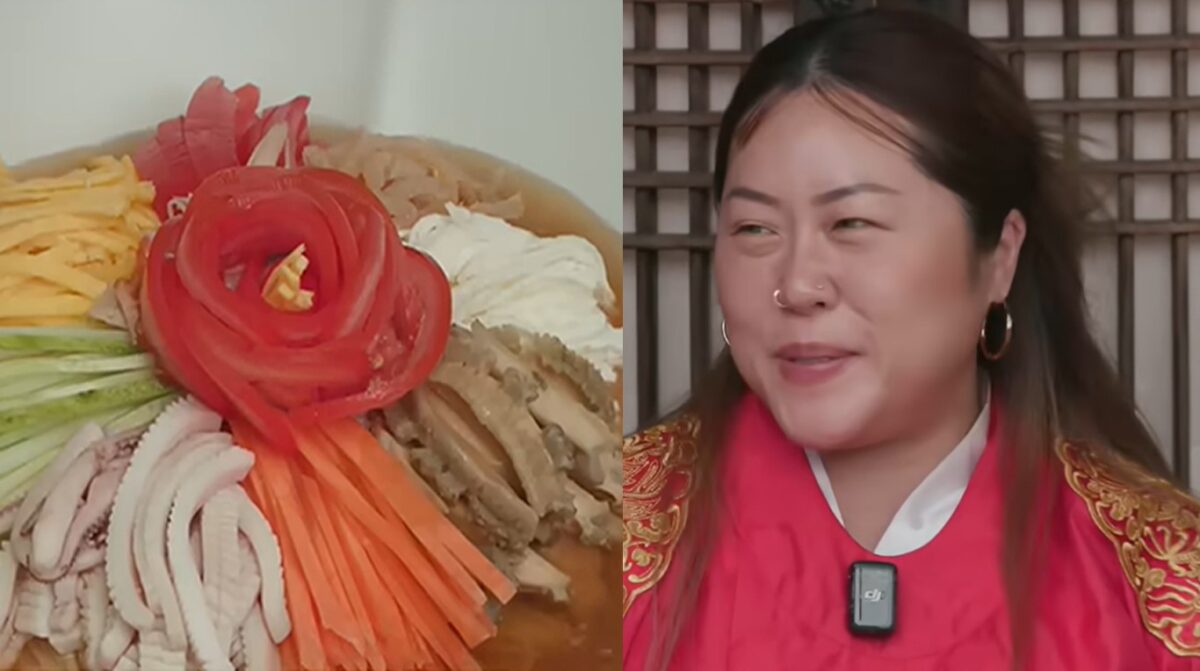
Popular content creator Baek Jin-kyung—a mega-influencer with approximately 1.55 million social media followers widely known as "Honorary Brit"—recently appeared on the YouTube channel Joseon's Young Chef, sharing a look at her pregnancy journey and her favorite summer dish. Baek, who gained widespread popularity for introducing British English and culture alongside her energetic TV appearances, recently announced her pregnancy after three years of infertility and plans to give birth in the United Kingdom this December.
When asked about her health during the recording, Baek remarked that she has not experienced severe morning sickness or unusual cravings, describing herself as well-suited to pregnancy. However, she singled out Chinese naengmyeon—a distinctively Korean-style Chinese chilled noodle dish—as the one meal she particularly wanted to eat. In response, Chef Lee Moon-jung, known as the "Chinese-food witch" on the Netflix variety series Culinary Class Wars, and TV personality Heo Kyung-hwan prepared a customized version of the dish for her.
Hormonal Shifts and Summer Heat Drive Craving for Tangy Chilled Noodles
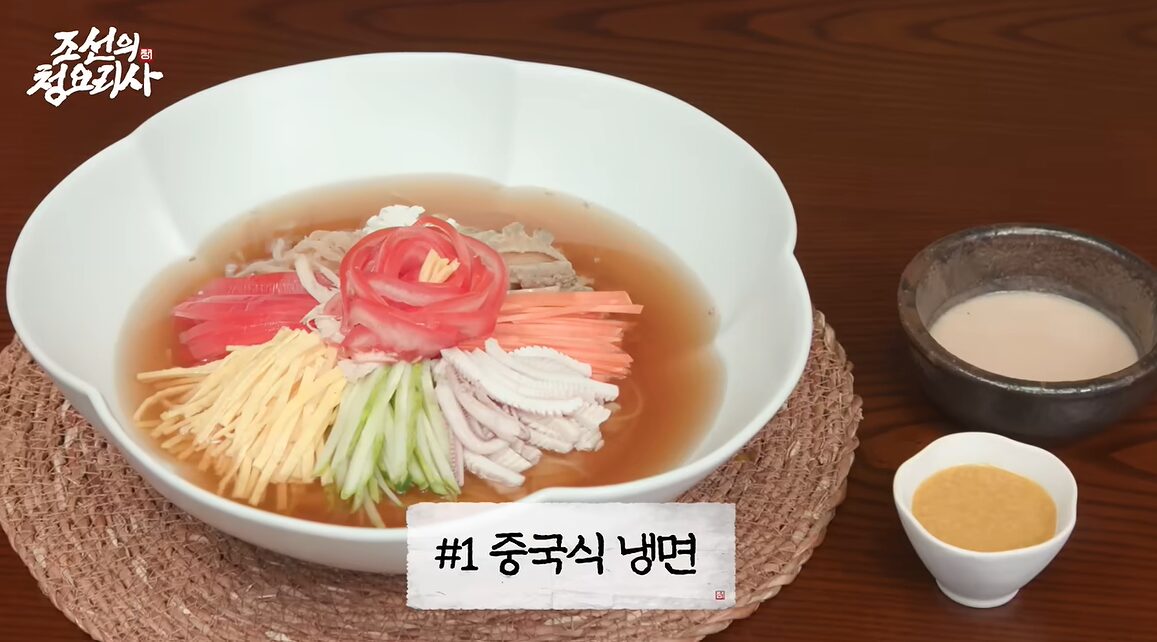
Chinese naengmyeon features wheat or corn noodles served in a refreshing, partially frozen broth, topped with an array of ingredients including cucumber, egg, poultry, seafood, and pressed pork. The broth achieves its signature sweet-and-sour flavor profile through soy sauce and vinegar, enriched with peanut or sesame paste for a rich, nutty depth, and finished with mustard for a sharp, nose-tingling kick.
Explaining her preference, Baek noted that since becoming pregnant, she has consistently craved cold and sour foods. Medical experts and educational materials from the Korea Disease Control and Prevention Agency (KDCA) note that hormonal fluctuations during pregnancy often alter taste and olfactory sensitivity. Strongly aromatic hot foods can trigger nausea, prompting expectant mothers to favor cold meals, which emit fewer odors, alongside low-fat and easily digestible dishes. The sour flavor from vinegar stimulates saliva production and revives dulled appetites, while the icy broth and crisp vegetable toppings offer relief during hot summer weather.
A Domestic Creation Packed with Essential Maternal Nutrients
Despite its name, Chinese naengmyeon sold in South Korea is a Korean-style Chinese dish that evolved locally, much like jajangmyeon. While China features liangmian (seasoned tossed noodles with chili oil, vinegar, Sichuan pepper, and sesame paste) and Japan offers hiyashi chuka (brothless cold ramen topped with soy sauce, vinegar, and sesame sauce), neither utilizes the abundant, icy broth paired with peanut sauce and mustard that defines the Korean-Chinese adaptation.
Beyond its flavor, the dish offers significant nutritional benefits for pregnancy, a period requiring elevated intake of protein, iron, folate, calcium, and essential vitamins to support maternal blood volume expansion and fetal development. Chef Lee Moon-jung’s elevated recipe utilized corn noodles in a rich chicken stock base, loaded with egg strips, chicken, abalone, squid, and jellyfish.
Seafood options like abalone and squid provide lean protein while supplying essential nutrients such as iron and vitamin B12, which aid in red blood cell production. Chicken and eggs contribute high-quality protein, B vitamins, and choline—a crucial nutrient for fetal brain and neural development. Meanwhile, fresh vegetable toppings including carrots, tomatoes, and cucumbers supply beta-carotene (vitamin A), vitamin C, lycopene, dietary fiber, and essential hydration.

Home Preparation and Key Food Safety Guidelines
Chinese naengmyeon can be easily recreated at home using commercial naengmyeon broth or chilled chicken stock adjusted with vinegar, sugar, and a spoonful of peanut butter or sesame paste. Home cooks can top cooked noodles with cucumber, carrots, tomatoes, fully cooked eggs, chicken breast, or boiled shrimp.
However, pregnant women should observe strict food safety practices when preparing seafood and egg dishes during summer. All seafood must be thoroughly cooked, and egg toppings should be fully set rather than soft-boiled. Salted jellyfish should be thoroughly rinsed in water prior to preparation. Because sodium can quickly accumulate across the broth, preserved seafood, and sauces, maintaining a mild seasoning profile and refraining from drinking the entire bowl of broth is recommended.