As high heat and humidity linger into late summer, pediatricians frequently treat two common fungal skin conditions in children: ringworm (tinea) and tinea versicolor (Malassezia infection). Because children have a thinner skin barrier and an immature immune system, elevated humidity makes them especially susceptible to fungal growth.
When a rash appears, parents often assume it is heat rash or eczema. However, the visual signs differ significantly. Heat rash typically presents as small, clear, or red blisters, while eczema causes dry, oozing patches on the cheeks or in skin folds.
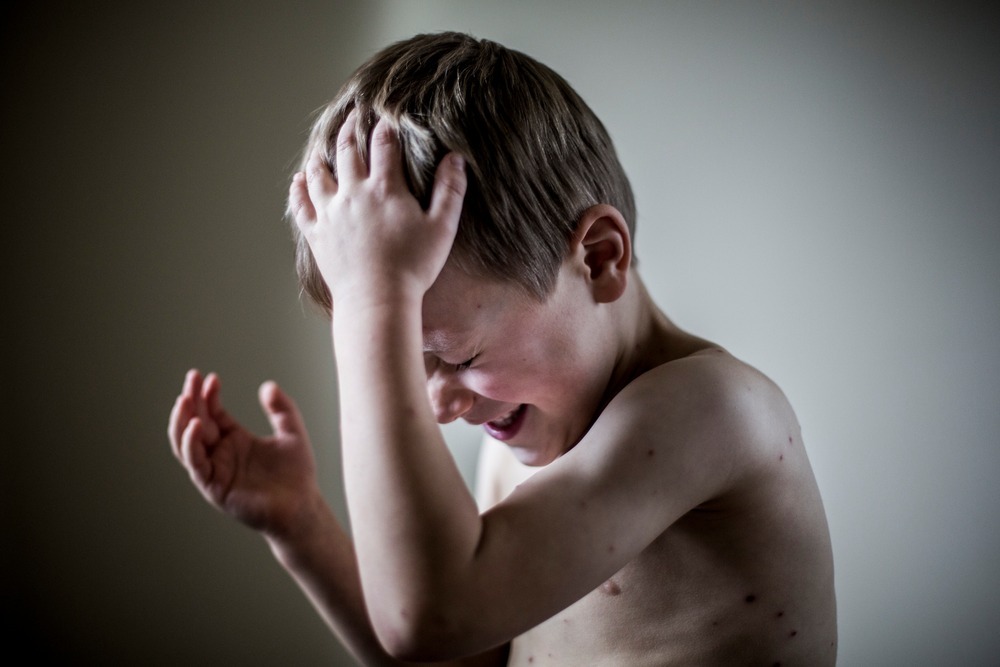
In contrast, fungal infections produce round red patches with sharply defined, raised borders and fine white scales (flaking skin). These rashes tend to develop in moist areas where sweat collects, such as the groin, arm and leg folds, between the toes, and on the scalp. Severe itching often intensifies at night as body temperature rises; if children scratch relentlessly, it can lead to secondary bacterial infections, scarring, or pus.
Why Over-the-Counter Steroid Ointments Can Backfire
The most common mistake parents make when treating an unfamiliar rash is applying leftover household ointments containing steroids. While topical steroids temporarily suppress inflammation and dull the itch, using them on a fungal infection effectively feeds the fungus, accelerating its spread and worsening the condition.
Once a fungal infection is diagnosed, treatment requires topical antifungals containing active ingredients such as terbinafine, clotrimazole, or ketoconazole. If itching is intense or a secondary bacterial infection is suspected, pediatricians may prescribe oral antihistamines or a topical antibiotic like mupirocin alongside antifungal therapy.
“It is dangerous for parents to apply emergency ointments kept at home without carefully verifying their active ingredients,” said Kwak Hye-won, director of pediatrics at The K Busan Hospital. “If a rash exhibits a clear boundary accompanied by scaling, parents should seek a prompt medical diagnosis to receive the appropriate prescription.”
5 Steps to Prevent and Manage Fungal Rashes in Children
Pediatric specialists recommend five core hygiene practices to prevent fungal skin infections and manage active cases:
Control Indoor Humidity: Keep indoor humidity levels between 50% and 60% using air conditioners or dehumidifiers during humid weather.
Wash and Dry Thoroughly: Have children bathe in lukewarm water immediately after sweating or playing in the rain, taking extra care to dry skin folds and spaces between fingers and toes completely.
Dress in Breathable Cotton: Choose loose, 100% cotton clothing that absorbs sweat and allows air circulation. Change out of damp clothes right away.
Keep Nails Short to Prevent Secondary Infection: Trim nails short and smooth to minimize skin damage from nighttime scratching, and keep the bedroom cool to reduce itching.
Isolate Towels and Bedding: Fungal infections are contagious. Wash the affected child’s towels, pillowcases, and clothing separately, and dry them thoroughly in direct sunlight whenever possible.