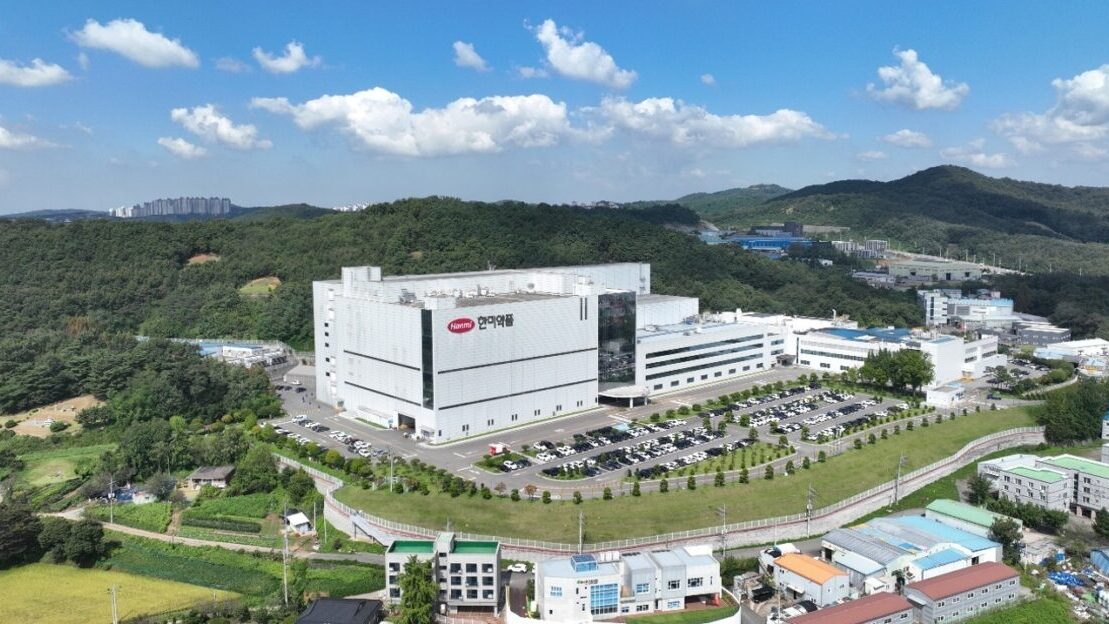
Stockout cases have dropped sharply at Hanmi Pharmaceutical’s primary manufacturing base for synthetic drugs. In this context, a "stockout" extends beyond an item being sold out or a plant failing to manufacture a drug; it includes any logistical, inventory management, or demand-forecasting misstep that prevents ordered medicines from shipping on time.
Hanmi Pharmaceutical announced on Aug. 13 that stockouts lasting longer than five days at its Paltan Smart Plant fell approximately 57% in the first half of the year compared to the same period last year. Stockout cases for contract manufacturing (CMO) products also decreased by about 48%.
The company attributed the stabilization of its production and supply management system to four targeted operational adjustments: aligning production plans with demand fluctuations, improving inventory efficiency, stabilizing equipment, and proactively addressing quality issues.
An organizational overhaul implemented earlier this year served as the primary catalyst. On May 1, Hanmi Pharmaceutical restructured into four core divisions: Innovative Growth, Sustainable Growth, Future Growth, and Growth Support. The Paltan Manufacturing Center was reassigned under the Growth Support Division to streamline operational backing across all growth units. In June, the company launched a "Productivity Improvement Task Force" connecting corporate headquarters directly with manufacturing sites.
High Automation and Elevated Quality Control Metrics
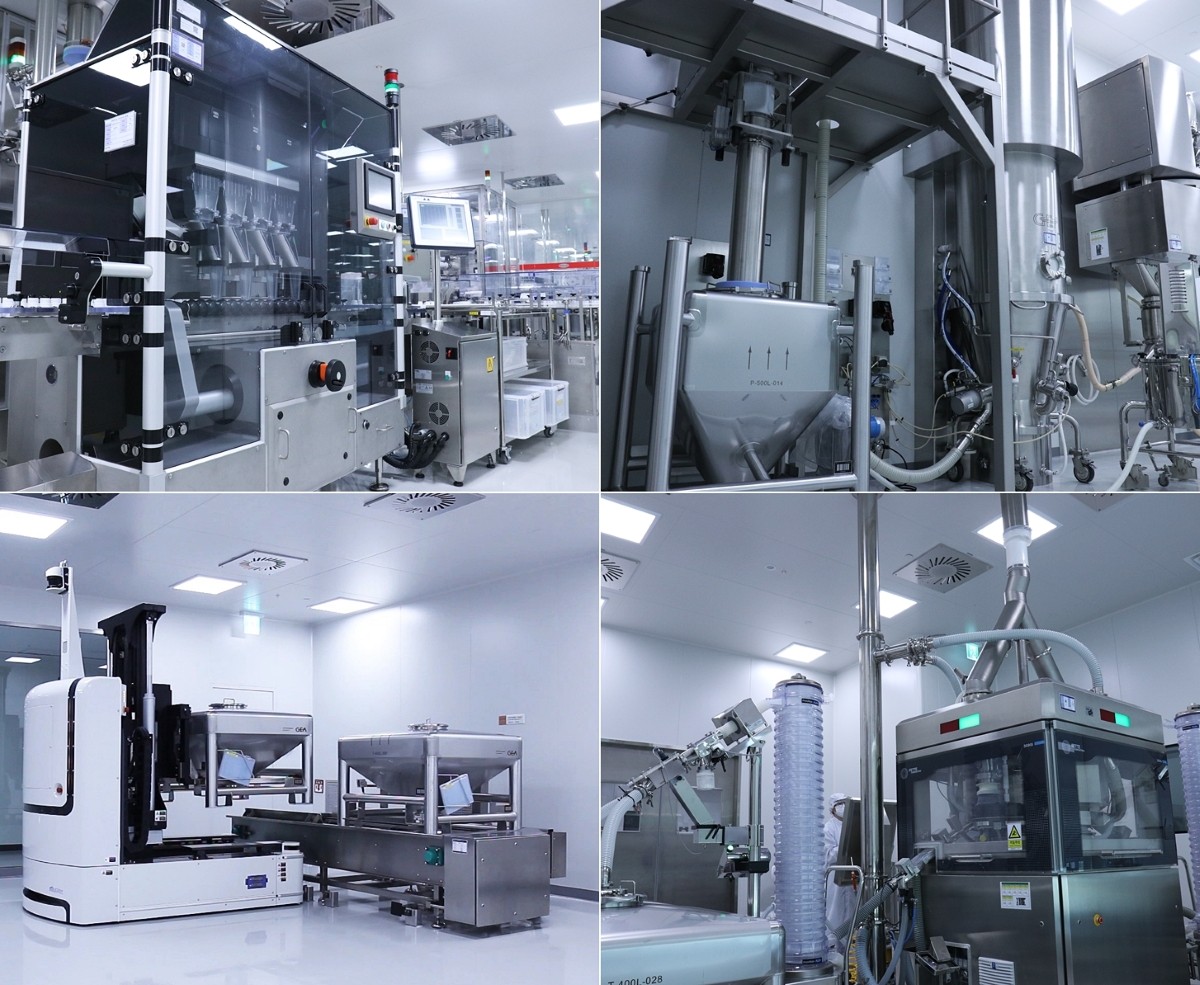
The Paltan Smart Plant features a 90% automation rate across key manufacturing, packaging, and logistics processes. Equipped with real-time process data collection and management systems, the facility routinely satisfies Good Manufacturing Practice (GMP) inspection standards set by international regulatory bodies, including the U.S. Food and Drug Administration (FDA) and the European Medicines Agency (EMA).
Quality control metrics improved alongside supply reliability. Out-of-specification (OOS) and out-of-trend (OOT) testing deviations dropped roughly 39% year-over-year, while equipment downtime caused by technical breakdowns declined by about 33%. Furthermore, the facility maintained a process deviation rate below the industry average of 12% to 14% for solid oral dosage forms, as established by the International Society for Pharmaceutical Engineering (ISPE) Quality Metrics.
These operational refinements align with regulatory directives from South Korea's Ministry of Food and Drug Safety, which has encouraged domestic drugmakers to adopt advanced manufacturing technologies—such as Quality by Design (QbD), continuous manufacturing, process digitization, and modernized quality management systems.
A State-of-the-Art Facility Under New Leadership
Completed in 2017 within the Paltan Industrial Complex, the Paltan Smart Plant is Hanmi Pharmaceutical’s fourth-generation facility dedicated to solid oral dosage forms. Spanning one basement level and eight stories with a total floor area of 36,492 square meters, the plant has an annual production capacity of up to 6 billion tablets. Automated equipment and unmanned rail-guided vehicles handle material transport, formulation, production, and packaging. The facility frequently hosts study visits for international health authorities and pharmacy students.
Paltan was the first site visited by CEO Hwang Sang-yeon after he took office on April 1. As the first externally recruited CEO in Hanmi Pharmaceutical’s 53-year history, Hwang inspected the facility's information and communications technology (ICT)-driven processes and GMP protocols during his initial tour.
“The first-half improvements in stockout rates and quality metrics represent a collective effort by our workforce to ensure a stable supply of essential medicines,” Hwang said. “In the second half, we expect even more meaningful results across key productivity indicators, including Right First Time (RFT) rates.”
Hanmi Pharmaceutical plans to continue enhancing manufacturing competitiveness through its Productivity Improvement Task Force while reinforcing Environment, Health, and Safety (EHS) and quality management systems across both the Paltan Smart Plant and the Pyeongtaek Bio Plant.