
[Summary] Lumbar spinal stenosis can cause numbness and pain to show up first in the legs or calves rather than the lower back. A key warning sign is “neurogenic claudication”: as you walk, your legs feel heavy or go numb and you have to stop, but the symptoms ease when you sit and rest. The root cause, however, lies in the lower back. If repeated treatment focused solely on the legs yields no improvement, the spine should be evaluated as well.

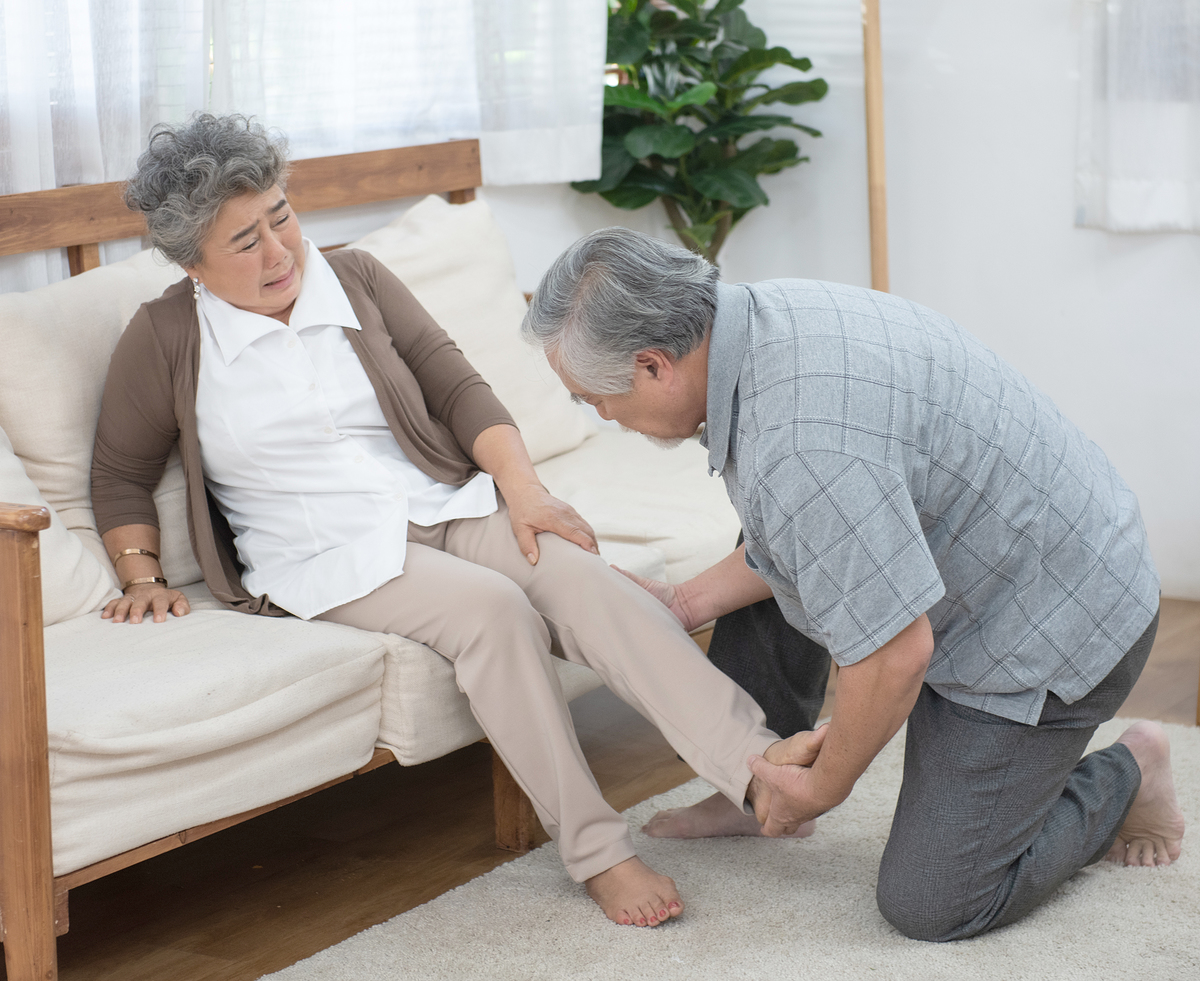
Ms. Kim, a 66-year-old homemaker living in Saha-gu, Busan, visited orthopedic clinics for nearly a year due to leg pain. She received injections three times, but her condition did not improve. After trips to the supermarket, her calves would tighten so severely each evening that they felt on the verge of bursting.
Only after visiting a major hospital for an MRI did the cause become clear. Her knee joints were not as damaged as she had assumed. The actual diagnosis was lumbar spinal stenosis between her third and fourth lumbar vertebrae. This condition occurs when the spinal canal—the passageway through which bundles of nerves travel inside the lumbar spine—narrows. That narrowing compresses the nerves, triggering numbness and pain that can radiate from the lower back through the buttocks and down into the legs.
Ha Sang-hoon, CEO and hospital director at Busan Bon Hospital, who diagnosed Ms. Kim, advised, “You shouldn’t focus exclusively on the leg simply because the leg hurts.” Among patients who report that their calves go numb while walking and force them to stop, he noted, it is common for the lower back to be the underlying issue.
Busan Bon Hospital is the sole joint-specialty hospital in western Busan, serving regions from the city’s historic downtown to Saha-gu, Sasang-gu, and Gangseo-gu. The hospital has been consecutively designated by the Ministry of Health and Welfare as a “joint specialty hospital” from the second designation period in 2015 through the current fifth period. Because the designation is renewed every three years, this marks 12 consecutive years of specialty-hospital status.
A Back Condition Without Back Pain
Degenerative changes serve as the primary cause of lumbar spinal stenosis, which typically manifests after age 50 and increases in incidence with age.
Because the condition progresses gradually over several years, leg symptoms often precede lower-back pain. Nerves extending from the lumbar spine pass through the buttocks and run down to the thighs, knees, calves, and toes. When lumbar nerves are compressed, pain and numbness can occur anywhere in the lower extremities governed by those nerves—not strictly in the lower back. Consequently, a spinal condition frequently masquerades as a leg problem.
“Because micro-injuries accumulate over many years, the legs don’t start hurting in earnest until nerve compression crosses a critical threshold,” Ha explained. “Up to that point, the lower back can seem perfectly fine. So when patients present with numb and painful calves, they often ask why we are examining their lower back—yet upon examination, we find the lower back is the true culprit in a surprisingly large number of cases.”
Distinguishing Neurogenic Claudication
Leg numbness and heaviness during walking are not unique to stenosis. Peripheral artery disease (vascular claudication) can present similarly, and knee osteoarthritis can likewise cause pain while walking. Because treatment pathways differ fundamentally based on the root cause, accurate differentiation is critical.
[Table] If your legs hurt when you walk … key differences by cause
Category | Neurogenic claudication (lumbar spinal stenosis) | Vascular claudication (peripheral artery disease) | Knee arthritis |
Main pain location | Buttocks·thighs·calves | Calves·feet | Knee joint area |
What makes symptoms worse | Walking, standing with the lower back extended | Exercise (walking·stairs) | Stairs, squatting |
What relieves symptoms | Bending forward, sitting | Stopping is enough even if you remain standing | At rest |
How recovery happens | Relief requires sitting (standing does not help) | Recovers within minutes even while standing | Gradually eases at rest |
Night pain | Rare | Feet hurt more when lying down | Common in moderate or worse cases |
Basic test | Spine MRI | Vascular ultrasound, ABI | X-ray (K-L grade) |
When distinguishing stenosis from other conditions, Ha evaluates four key clinical indicators:
Whether the legs feel heavy or go numb while walking, forcing the person to stop
Whether the individual can resume walking after sitting and resting for 5 to 10 minutes
Whether symptoms lessen when leaning forward or pushing a shopping cart
Whether pain radiates from the back of the buttocks down toward the calves
The third indicator is commonly referred to as the “shopping cart sign.” A classic stenosis pattern involves being able to walk while leaning on a supermarket cart, but experiencing rapid leg pain when walking upright. By contrast, vascular claudication typically improves quickly upon stopping, even if the patient remains standing.
The fourth indicator—whether pain travels from the back of the buttocks down toward the calves—is equally instructive. Pain radiating down the back of the buttocks points toward stenosis, whereas pain running from the groin down the front of the leg suggests hip osteoarthritis.
Evaluating Nonsurgical vs. Surgical Treatment
For lumbar spinal stenosis, conservative, nonsurgical treatment is pursued first. The standard protocol involves a trial of medication, physical therapy, and nerve block injections. If pain is controlled and mobility is maintained, immediate surgery is unnecessary. However, caution is required.
“Nonsurgical treatment is clearly necessary and effective for many patients,” Ha noted. “However, when a nerve is structurally compressed to a severe degree, procedures can provide only temporary pain relief. Repeating injections without addressing the structural cause ultimately offers no long-term benefit.”
When evaluating whether surgery is indicated, Ha assesses four criteria:
Persistent leg numbness and pain despite adequate nonsurgical treatment
A progressive reduction in the distance the patient can walk
Onset of urinary or bowel dysfunction
Progressive muscle weakness, such as foot drop
If any single criterion is met, nonsurgical treatment alone is insufficient.
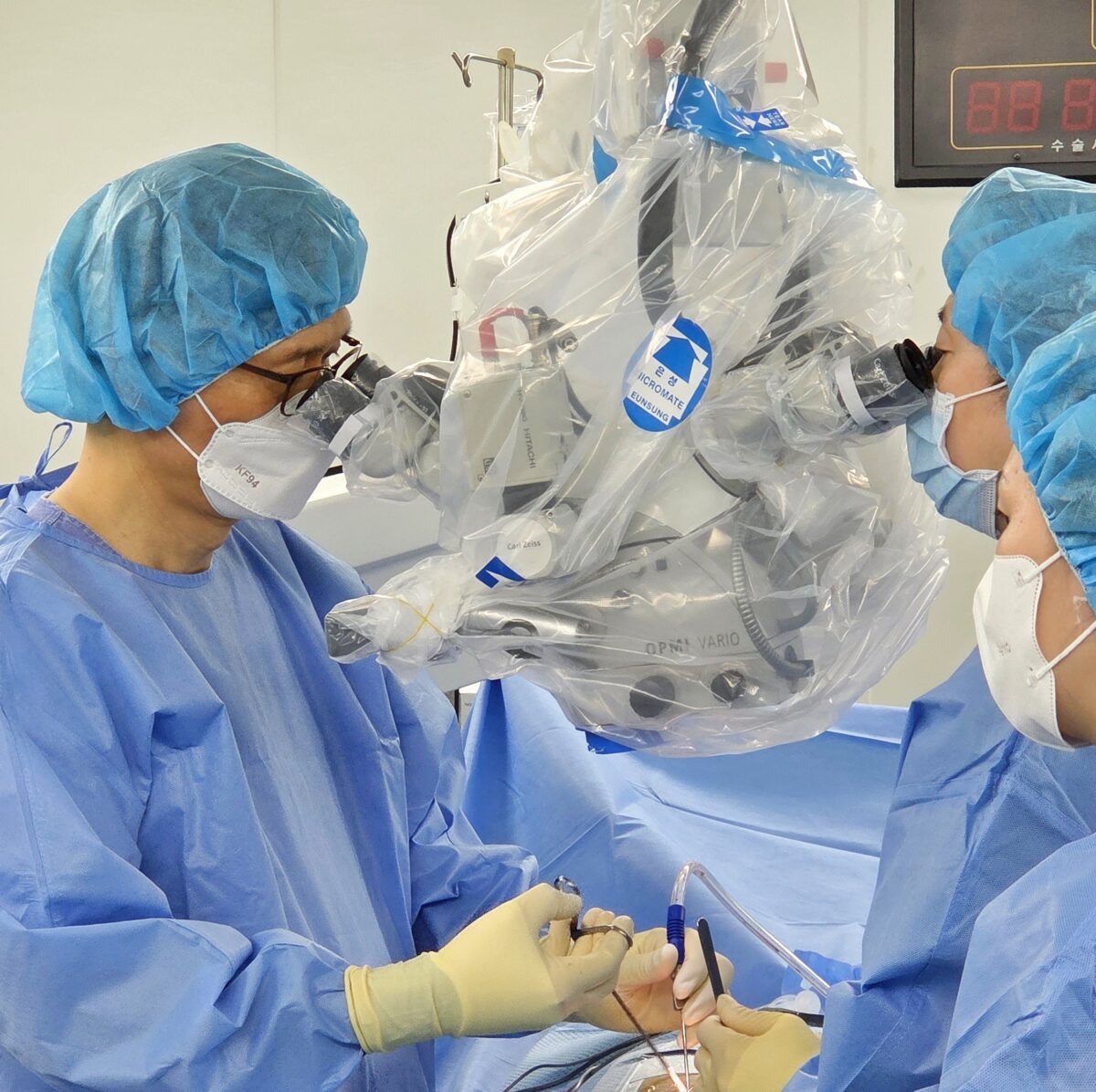
When surgery is deemed necessary, Ha adopts a comprehensive approach rather than addressing only the isolated lesion. He also evaluates adjacent structural risks to prevent symptom recurrence in neighboring spinal segments within one to two years. Anticipating changes in the surrounding anatomy helps patients avoid prolonged discomfort and reduces the likelihood of requiring secondary operations.
To support precise diagnostics, Busan Bon Hospital operates two 3.0T MRI units simultaneously. This infrastructure facilitates same-day, high-resolution imaging of the spine, knees, and hips, allowing clinicians to differentiate overlapping causes through comprehensive radiological and clinical evaluations.
Maintaining Mobility with Stenosis
Ha routinely offers one core piece of advice to his patients: “Walking is the best medicine.”
While walking can be painful for stenosis patients, the recommendation serves a clear physiological purpose. Strengthening the paraspinal and core muscles reduces mechanical pressure on the spinal canal and accelerates postoperative recovery. Furthermore, intermittent walking maintains blood flow and oxygen supply to compressed nerves, fostering an environment for neural regeneration.
However, stenosis patients require a modified walking strategy:
Rest prior to the onset of pain (e.g., if pain typically begins at 300 meters, stop and rest at 250 meters)
Adopt a slight forward-leaning posture similar to pushing a shopping cart
Walk in short, frequent intervals of 20 to 30 minutes rather than prolonged single sessions
When persistent leg heaviness and calf numbness occur during walking and consistently subside upon sitting, the underlying signal may originate not from the knee, but from the lower back.
<Frequently Asked Questions>
Can it still be lumbar spinal stenosis even if my lower back doesn’t hurt?
Yes. Because stenosis progresses gradually over several years, leg pain and numbness often appear before lower-back pain. If your lower back feels fine but your knees and calves hurt, evaluating for lumbar spinal stenosis is recommended.
How do you distinguish stenosis from typical knee pain?
If you develop numbness or heaviness in your legs after walking a certain distance, must stop, and can resume walking after sitting and resting, clinicians suspect neurogenic claudication caused by spinal stenosis. By contrast, knee osteoarthritis causes pain localized around the knee, particularly when negotiating stairs or squatting. If leaning forward relieves leg symptoms, stenosis is more likely.
How long can you rely on nonsurgical treatment for stenosis?
If pain is managed and daily functioning is preserved, conservative treatments should be fully utilized. However, if urinary or bowel dysfunction develops, or if signs of nerve dysfunction like foot drop appear, an immediate surgical evaluation is required. Relying on repeated injections merely to tolerate severe structural compression is fundamentally different from successfully managing daily life with conservative care.
If my knee hurts, should I avoid walking for exercise?
No. Ceasing physical activity can weaken the muscles supporting the lower back and worsen symptoms. Exercise should be maintained incrementally. However, stenosis patients should rest before pain begins, walk with a slightly forward-leaning posture, and exercise in shorter, more frequent intervals.
Can an orthopedic clinic evaluate my lower back if I visit primarily for knee pain?
Yes, provided the practice treats both joint and spine conditions. Joint and spine specialty hospitals are equipped for comprehensive evaluations. If leg heaviness or calf numbness accompanies knee pain during walking, be sure to mention those details during your initial consultation.