Editor’s note: In Japan’s orthopedic community, specialists use the term "locomotive syndrome" to describe a decline in mobility caused by weakening bones, joints, muscles, and nerves. The concept is widely used as a health indicator that can signal frailty and the potential need for long-term care before it becomes unavoidable. With guidance from experts, Kormedi.com is presenting a six-part series on physical warning signs that often surface first in everyday routines—such as putting on socks, climbing stairs, and crossing at a crosswalk.
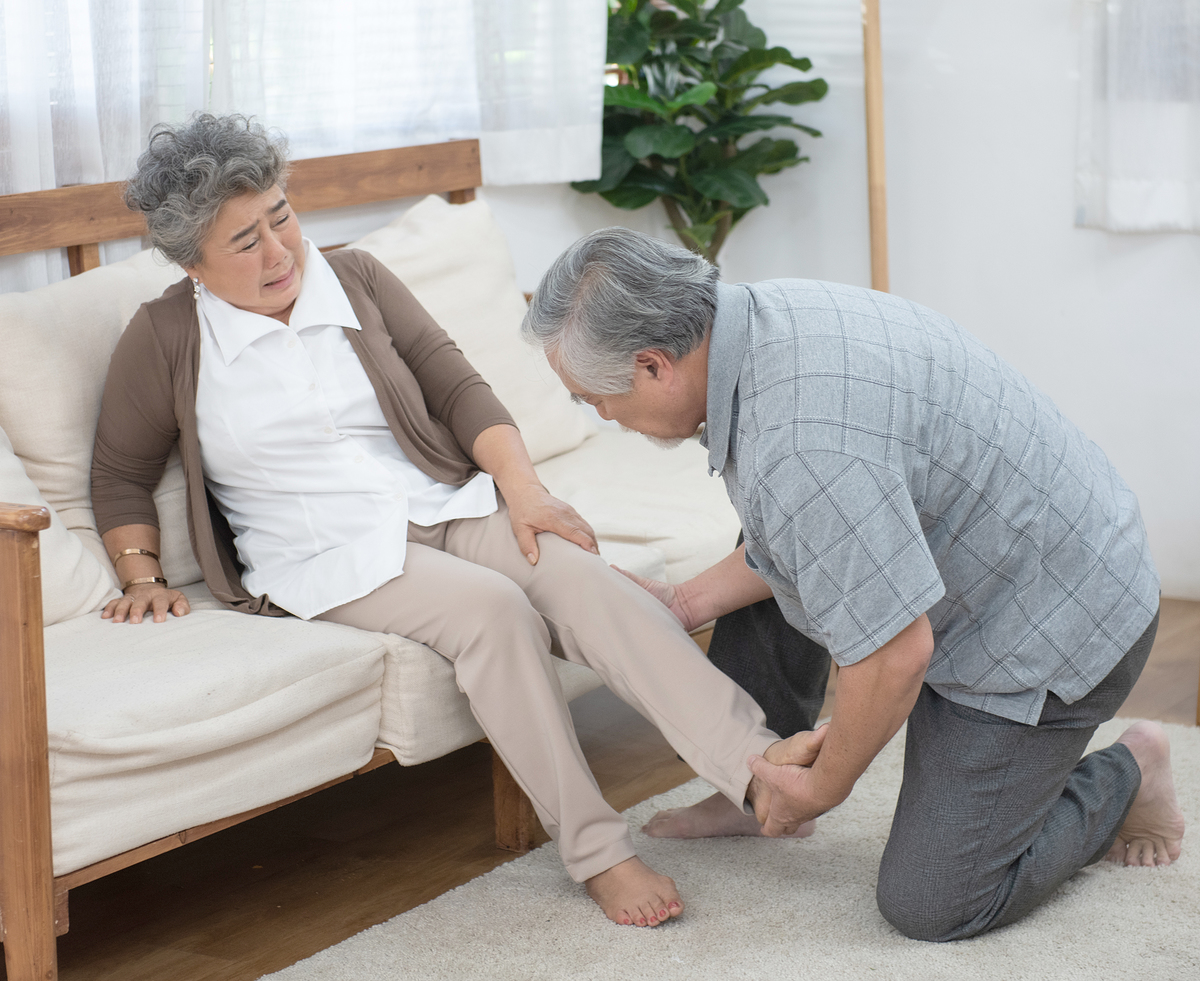
It often starts with a single slip at home—a foot catching near the bathroom threshold. Even if no bones are broken, the psychological impact can be immediate. Suddenly, the mind pulls back before the body does. At stairs, hands instinctively reach for the railing; boarding a bus requires extra deliberation; independent trips to the market become less frequent.
For older adults, a fall is rarely just a minor accident. Even without physical injury, the fear of falling again restricts daily movement. Reduced activity leads to muscle loss, which further impairs balance and increases the likelihood of subsequent falls—a vicious cycle where fear and physical decline reinforce each other.
In Japan’s orthopedic community, specialists describe this progressive decline in bones, joints, muscles, and nerves as "locomotive syndrome" (often referred to as movement-function decline syndrome in South Korea). While it may begin subtly with a slower gait or difficulty climbing stairs, advancing locomotive syndrome drastically elevates the risk of falls, fractures, and long-term care dependency.
The problem isn’t the moment you fall—it’s a body unable to hold up
Younger individuals fall and recover, but for older adults, the consequences are starkly different. When thigh and hip muscles weaken, bracing against a tilt becomes difficult. When balance is compromised, reaction times to recover posture after a misstep slow significantly.
When combined with osteoporosis, even a minor stumble can result in catastrophic fractures. Hip, spinal, and wrist fractures dramatically alter quality of life in old age. A hip fracture requires surgery and extensive rehabilitation, spinal fractures can cause stooped posture and height loss, and wrist fractures impair basic daily activities such as dressing, cooking, and shopping.
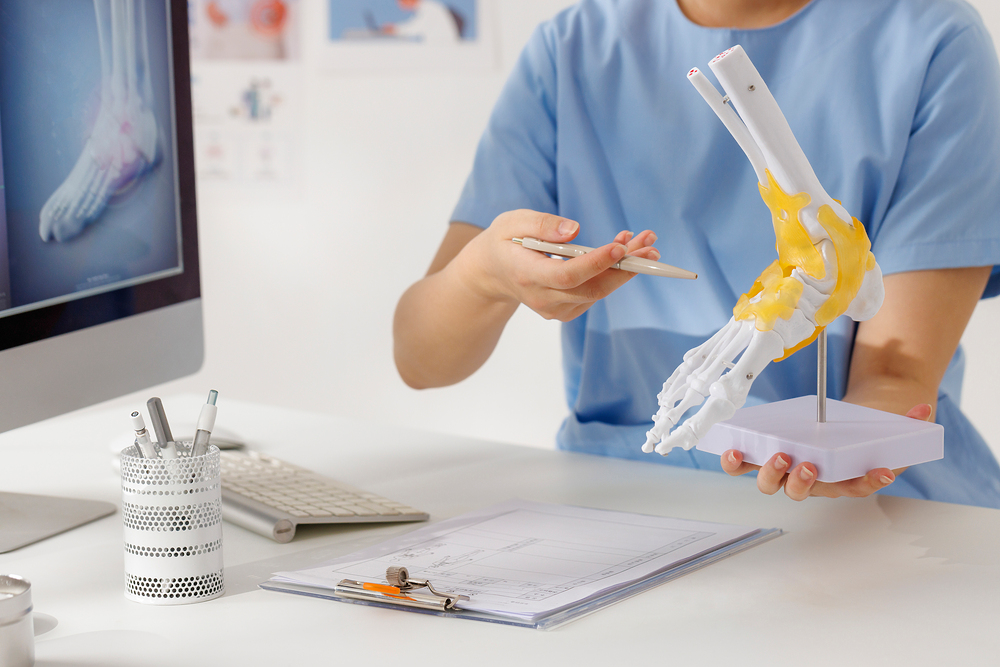
Yoo Jun-il, a professor of orthopedic surgery at Inha University Hospital, emphasizes that falls should not be viewed as isolated incidents. "A fall is a connected process where pain, muscle strength, balance, and fracture risk continuously interact," Yoo explained. Rather than focusing solely on the moment of impact, clinicians look for preceding warning signs—a shortened stride, toes catching on carpets, or a narrowing range of daily activity.
Before a fall, the body is already sending signals
The primary challenge is that physical warning signs frequently appear in daily routines long before showing up on formal medical tests. Recently, medical researchers have turned to digital healthcare technology to detect these subtle changes early.
At the 77th Spring Scientific Meeting of the Korean Geriatrics Society held at BEXCO in Busan, Park Hyun-tae, a professor at Dong-A University's Digital Healthcare Lab, presented an artificial intelligence model that screens for locomotive syndrome using a single smartphone camera. In a validation study involving 131 participants, the AI model recorded a sensitivity of 0.86 and an accuracy of 0.77 in identifying individuals at risk, demonstrating that early gait abnormalities can be flagged without expensive clinical equipment.
While fine-grained gait analysis using leg sensors shows that individuals with advancing locomotive syndrome walk more slowly with shorter steps and reduced knee and ankle motion, researchers discovered an even simpler indicator: standing up from a chair.
Rising from a seated position requires leaning forward and pushing up using leg strength. By measuring the speed and power of this single movement, researchers successfully identified at-risk individuals—even those whose walking pattern still appeared normal. The clinical logic is clear: an individual who walks well but looks visibly strained when standing up from a sofa is already experiencing significant muscle loss.
Other innovations link fall risk directly to foot pressure. Smart insoles equipped with pressure sensors measure plantar pressure distribution and shifts in center of gravity during walking, allowing for early detection of postural instability or left-right imbalances.
"Research is shifting from post-fall intervention to detecting subtle pre-fall changes in daily life," Park noted, adding that tracking simple daily step counts is no longer sufficient to assess fall risk.
You have to protect the strength to go outside
While diagnostic technology continues to advance, observational vigilance remains vital. Changes such as avoiding stairs, hesitating to take public transit, going outside less frequently, or repeatedly tripping at home are critical warning signs that family members should monitor.
Fall prevention also requires environmental and medical adjustments. Household hazards—such as slippery bathroom floors, raised thresholds, loose cords, unstable slippers, and dim lighting—must be addressed, especially along nighttime paths to the bathroom. Additionally, declining vision and medications that cause dizziness or drowsiness, such as sedatives and blood pressure drugs, should be regularly reviewed.
When osteoporosis is present, proactive bone management is essential to minimize fracture risk if a fall does occur. Ultimately, a single fall in old age can shrink a person's world and accelerate physical decline. Preserving the strength and stability to move safely remains the most critical health asset in late life.