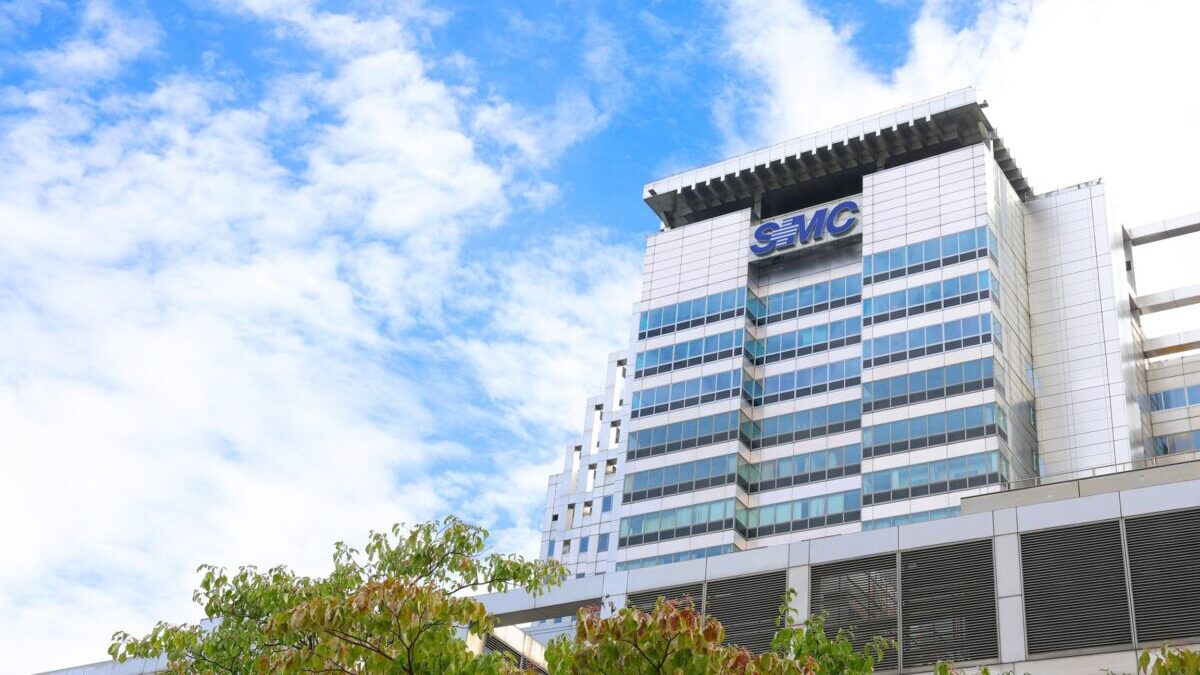
Samsung Medical Center has been named one of the world's top-tier green healthcare institutions.
In its "World's Greenest Hospitals 2026" evaluation released on August 6, U.S. news magazine Newsweek awarded Samsung Medical Center its highest rating of five leaves, citing the hospital's comprehensive sustainability initiatives—from reducing operating room anesthetic gases to eliminating single-use items at its funeral hall. The designation places the institution in the top 0.6% among approximately 6,000 healthcare facilities evaluated worldwide.
Conducted for the first time by Newsweek in partnership with global research firm Statista, the assessment evaluated performance data across multiple criteria: sustainability metrics—including greenhouse gas emissions, energy usage, water consumption, and governance—accounted for 40%; expert recommendations made up 30%; and green certifications, institutional goals, and information disclosure comprised the remaining 30%. The evaluation period spanned from June 19, 2025, to June 18, 2026.
Ratings were awarded on a scale of three to five leaves, with five representing the highest level of environmental achievement. Out of approximately 6,000 evaluated facilities, 250 hospitals across 36 countries made the final list, with only 36 earning the top five-leaf rating. On August 7, Samsung Medical Center noted that Newsweek highlighted it alongside University Hospital Zurich in Switzerland and Boston Medical Center in the United States as leading global examples.
Additionally, Newsweek evaluated hospital buildings and operational processes separately, naming Samsung Medical Center a top institution in the "Sustainable Infrastructure" category—a distinction awarded to only 24 hospitals worldwide.
From Funeral Halls to Operating Rooms
Hospitals are among the most resource-intensive facilities in society. Operating around the clock requires continuous heating, cooling, ventilation, operating suites, diagnostic machinery, and sterilization systems. Furthermore, significant greenhouse gas emissions are generated throughout the production and transport of pharmaceuticals and medical supplies.
An analysis by international non-profit Health Care Without Harm and consulting firm Arup indicates that greenhouse gases from the global healthcare sector account for approximately 4.4% of total net emissions—a carbon footprint that would rank as the world's fifth-largest emitter if compared to individual nations.
Samsung Medical Center's cuts directly target these emission sources. After establishing an ESG (Environmental, Social, and Governance) committee in 2021, the hospital built a structured implementation model, publishing annual ESG reports since 2023. In 2024, it became South Korea's first tertiary general hospital to introduce reusable dishware at its funeral hall, cutting single-use waste by 80%. Last year, it replaced plastic artificial condolence wreaths with 100% fresh flower wreaths.
Eco-friendly practices have also been integrated into clinical settings. In patient wards and operating suites, the hospital overhauled medical waste disposal procedures and introduced eco-friendly hemodialysis systems that adjust dialysate usage to match a patient's blood flow rate, reducing wastewater. It has also steadily reduced the use of volatile anesthetic gases with high global-warming potential. Organization-wide digital initiatives—such as issuing electronic medical records, digitizing testing protocols, and expanding paperless care—have further minimized paper waste.
Repeated Recognition for Sustainable Governance
Samsung Medical Center’s sustainability management has earned widespread recognition. In 2023, it became the first general hospital to win both the Korea Sustainability Index (KSI) and the Sustainability Report Award (KRCA) simultaneously. In 2024, it was the first medical institution to receive the overall ESG grand prize at the K-ESG Management Awards, followed by a presidential commendation in sustainability management at the 2025 National Quality Management Convention. Earlier this year, the Seoul Metropolitan Government selected it as an excellent hospital for carbon-neutral activities.

"This selection reflects international recognition not only for our clinical excellence, but also for our sustainability management efforts spanning the environment, society, and transparent governance," said Park Seung-woo, president of Samsung Medical Center. "We will advance patient-centered medical care and ESG management together to lead sustainable healthcare for the future."
The green hospital designation marks Samsung Medical Center's third major recognition by Newsweek this year. In February, the hospital placed 26th globally in Newsweek’s "World's Best Hospitals 2026," ranking No. 1 among South Korean hospitals for the first time and narrowly surpassing Seoul's Asan Medical Center, which had held the top domestic spot for seven consecutive years. Samsung Medical Center has climbed steadily in the global rankings over five consecutive years—moving from 43rd in 2022 to 40th in 2023, 34th in 2024, 30th in 2025, and 26th this year.
In June, the hospital also swept three top rankings—in cancer, respiratory, and gastroenterology care—in Newsweek’s "Asia-Pacific Best Specialized Hospitals" evaluation. The latest environmental rating completes a hat trick of top honors across three distinct Newsweek assessments in a single year.