
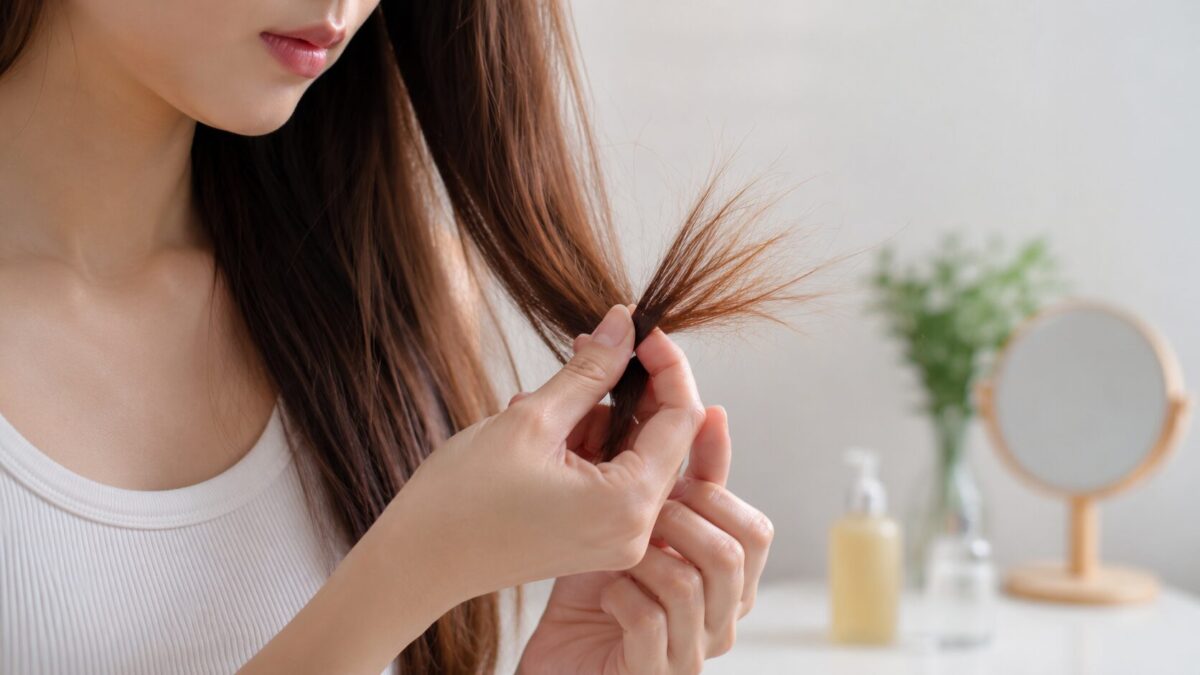
During the summer months, many people notice their hair becoming dry, brittle, and prone to snapping or splitting at the ends. A barrage of intense ultraviolet (UV) radiation, high ambient temperatures, sweat, seawater, and pool chlorine can assault hair all at once. Experts emphasize that basic protective care—including UV shielding, proper blow-drying techniques, and consistent moisture replenishment—is vital for preserving hair health throughout the season.
UV Radiation: The Primary Driver of Summer Hair Damage
Just like skin, hair suffers from direct exposure to UV rays. Strong solar radiation damages keratin proteins—the primary structural component of hair—and degrades the surface lipid layer, dulling natural shine and causing the protective cuticle to lift. Over time, this leads to split ends, increased breakage, and rapid color fading in dyed hair.
Solar radiation peaks between 10 a.m. and 3 p.m. When spending extended periods outdoors, wearing a hat, carrying a parasol, or applying hair mists and leave-in conditioners formulated with UV protection can significantly mitigate damage.
Seawater and Pool Chlorine: Why Vacation Hair Feels Parched and Rough
The high salinity of seawater draws essential moisture out of the hair shaft, drastically accelerating dryness. Meanwhile, pool chlorine strips away the hair’s natural protective barrier, accelerating cuticle damage. If hair feels coarse and snaps easily when brushed after a trip to the beach or pool, these environmental factors are likely responsible—with color-treated and previously damaged hair proving particularly vulnerable.
To minimize harm, thoroughly wet hair with clean water or apply a protective conditioner before swimming to reduce salt and chlorine absorption. Immediately after swimming, rinse hair with fresh water and wash with shampoo and conditioner to clear away residual chemical deposits.
Drying Habits Matter: The Danger of Scorching Heat and Damp Scalps
Leaving wet hair unattended for extended periods in summer keeps the cuticle open, compounding structural damage while creating a humid environment where scalp bacteria and fungi can easily multiply. Conversely, blasting wet hair with scorching hot air causes rapid moisture evaporation from within the hair shaft, worsening dryness and split ends.
When blow-drying, focus on drying the scalp first to about 70 to 80 percent before moving to the mid-lengths and ends. Hold the dryer 15 to 20 centimeters away from the hair and avoid applying heat to a single spot for too long. Finishing with cool air for 20 to 30 seconds seals the cuticle, locking in moisture and smoothing the hair surface for added softness and shine.
Beyond Shampoo: Restoring Moisture and Essential Nutrients
Shampooing multiple times a day to combat summer oiliness—or relying exclusively on harsh, clarifying products—can strip away the natural lipid barrier protecting the scalp and hair. This triggers a vicious cycle: hair becomes drier and breaks more easily, while an irritated scalp overcompensates by producing excess sebum.
Instead, select a gentle shampoo tailored to your scalp type and apply conditioners or treatments primarily from the mid-lengths to the ends. Applying a deep-conditioning hair pack once or twice a week and maintaining a diet rich in protein and essential nutrients will help strengthen hair strands and prevent summer breakage.