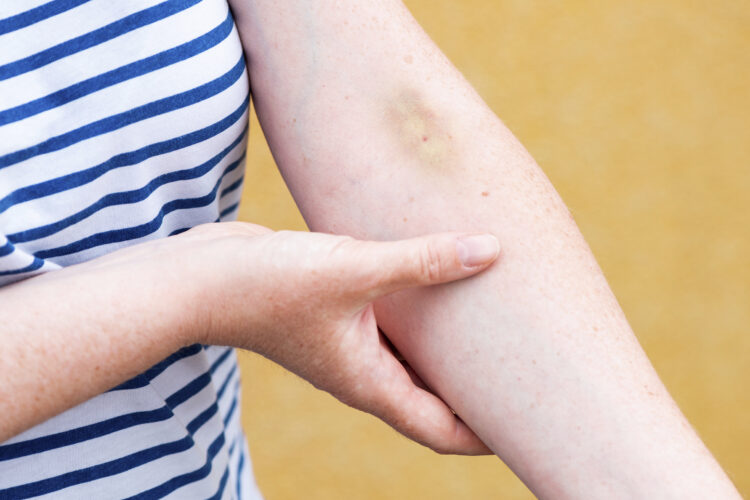
While washing up or changing clothes, you may occasionally notice a bluish bruise on your shin or forearm. Because you have no memory of bumping into anything hard, it is common to wonder exactly when the injury occurred.
A bruise forms when small blood vessels beneath the skin rupture or sustain damage, causing blood to pool under the surface and create a characteristic dark discoloration. While most bruises stem from everyday, forgotten bumps, easily triggered or lingering bruises often indicate that your blood vessel walls have weakened or that your internal blood-clotting mechanism is not operating smoothly. If you find yourself bruising frequently without a clear cause, the explanation may go beyond simple clumsiness. Subtle changes in your exercise habits, alcohol consumption, medication regimen, or fruit and vegetable intake could be the underlying trigger.
The Impact of Repeated Physical Strain and Pressure
If unexplained bruises begin appearing after a workout, it is worth evaluating the intensity of your routine and the specific strain it places on your body. Physical activities that repeatedly exert pressure on specific muscle groups—such as weight training, Pilates, and hiking—can place significant stress on the delicate capillaries surrounding those muscles. This is particularly common if you have recently ramped up your training intensity or returned to exercise after an extended hiatus, often resulting in bruising across heavily worked areas like the thighs, arms, or calves.
Proactive recovery tools like deep-tissue massages or foam rollers can yield a similar effect. Pressing or rubbing firmly against the same area to loosen tight muscles can inadvertently damage the fragile blood vessels directly beneath the skin. Everyday habits can replicate this targeted pressure as well; a heavy purse strap pressing continuously into a shoulder or a weighted shopping bag handle digging into the inside of a wrist can injure local capillaries, causing a bruise to manifest without any heavy impact.
How Medications and Alcohol Alter Clotting
When tracking a sudden increase in bruising, it is crucial to review your medication profile and lifestyle habits. A bruise's size and duration depend heavily on how quickly your body can halt minor internal bleeding. Common medications like aspirin and anticoagulants (blood thinners) deliberately interfere with the blood-clotting process, meaning even minor, unnoticeable bumps can lead to visible, long-lasting bruises. Similarly, the long-term use of topical or oral steroid medications can gradually thin the skin and weaken vascular walls, making localized bleeding far more likely.
Alcohol consumption can also play a significant role. Frequent or heavy drinking can impair blood platelet function and place a strain on the liver. Because the liver is responsible for synthesizing the essential proteins required for proper blood coagulation, a decline in liver function directly causes bruises to form much more easily and take significantly longer to fade.
The Role of Nutrient Deficiencies and Aging
Dietary habits are also structurally tied to vascular integrity. Vitamin C is essential for the production of collagen, a structural protein that supports the strength and elasticity of both the skin and blood vessel walls. Clinical data from Severance Health Information notes that a lack of vitamin C can significantly weaken capillaries, leading to spontaneous bruising, skin bleeding, or bleeding gums. In these cases, the issue is not a tendency to bump into things, but rather compromised blood vessel walls that rupture under normal physiological pressure.
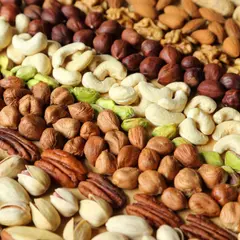
Vitamin K is equally vital, as it activates the specific proteins required for blood to clot efficiently. When vitamin K levels are insufficient, the body struggles to seal damaged vessels promptly, causing leaking blood to spread further and create larger, more stubborn bruises. To maintain vascular health, ensure your diet includes vitamin C-rich foods like kiwis, strawberries, citrus fruits, bell peppers, and broccoli, alongside vitamin K-abundant green vegetables such as spinach, lettuce, kale, and broccoli.
Furthermore, bruising naturally becomes more frequent after middle age without any underlying illness. As the body ages, the skin thins naturally and the protective layer of subcutaneous fat decreases. This reduction in natural cushioning leaves blood vessels highly vulnerable to everyday impacts. The forearms and the backs of the hands are particularly susceptible because they are frequently bumped and consistently exposed to ultraviolet (UV) radiation, which degrades skin elasticity and further weakens the supporting tissue around capillaries over time.
When Unexplained Bruises Warrant Medical Attention
The vast majority of everyday bruises are benign, cause minimal discomfort, and gradually fade from blue to green and yellow before disappearing entirely on their own. Isolated marks rarely require clinical evaluation. However, if large bruises repeatedly surface without any physical trauma, or if multiple bruises consistently appear across various parts of your body, the symptoms should not be dismissed simply as an inevitable consequence of aging.
Medical evaluation becomes highly advisable if easy bruising is accompanied by other signs of clotting issues, such as recurrent nosebleeds, bleeding gums, cuts that take an unusually long time to stop bleeding, or abnormally heavy menstrual cycles. Additionally, if bruises frequently develop in well-protected areas that are difficult to bump during normal daily activities—such as the abdomen, the back, or the inner thighs—you should consult a physician to determine the exact underlying cause.