Greek yogurt has become one of the most widely discussed high-protein foods in recent years. Favored for weight loss, it offers substantial protein density, promotes satiety, and supports gut health. It is a familiar dietary staple featured frequently in the meal plans of Korean celebrities like actor Han Go-eun and Jung So-min. However, relying exclusively on a single food to meet daily protein goals is rarely practical or sustainable.
Here are five readily available, filling alternatives that match—or even surpass—the protein content of Greek yogurt.
Dried Pollock
Top among high-protein recommendations is dried pollock. Because nutrients become highly concentrated during the drying process, dried pollock yields 79 grams of protein per 100 grams. That far exceeds fresh pollock (17.5g), packing six times the protein of eggs (12.86g) and roughly 25 times that of milk (3.09g). It is also rich in calcium for bone density maintenance, as well as zinc and selenium to support immune function, making it particularly beneficial for middle-aged and older adults. Its chewy texture and prolonged satiety help curb overeating during weight management.
Edamame
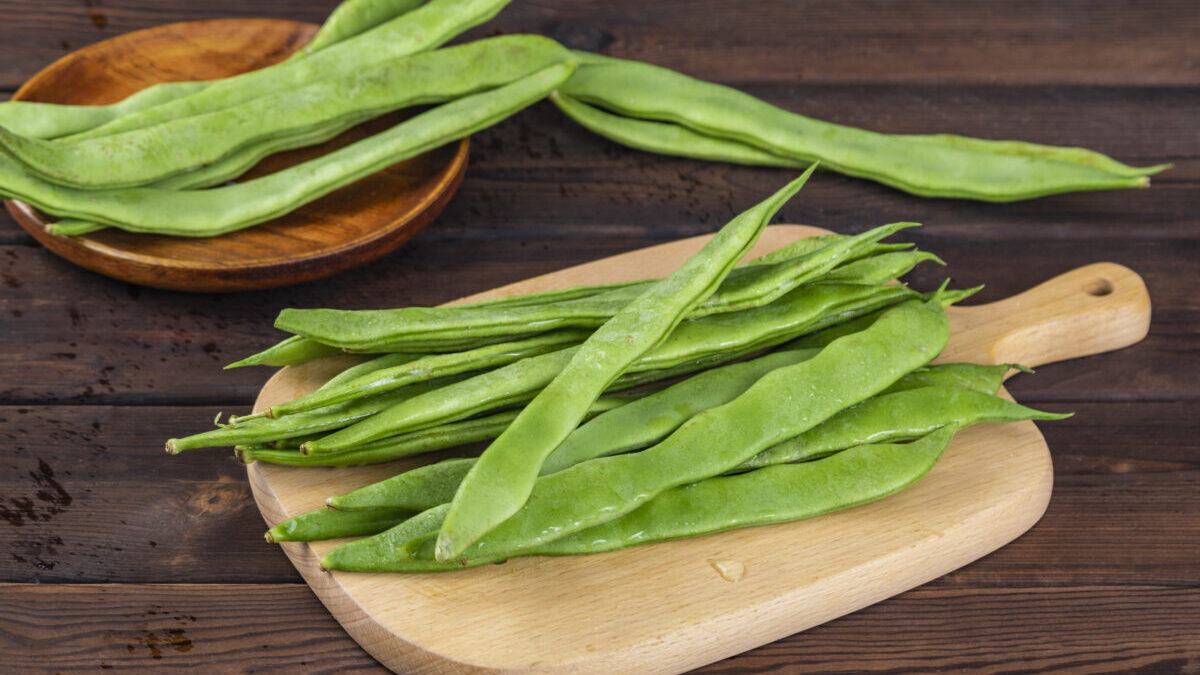
Young soybeans, or edamame, serve as an exceptional plant-based protein substitute for Greek yogurt. Containing approximately 12 grams of protein per 100 grams, edamame delivers twice the iron of chicken breast to assist oxygen transport in the blood. They are low in calories and packed with isoflavones, which help suppress systemic inflammation and lower cardiovascular disease risks. Easily prepared by roasting or boiling with a touch of olive oil and sea salt, edamame makes a portable snack and a nutritious addition to salads or rice dishes.
Lean Beef
For muscle synthesis and retention, lean cuts of beef such as the round and tenderloin are excellent additions. Beef contains roughly 22 to 26 grams of protein per 100 grams, supporting muscle maintenance and immune function. As an animal-based protein source, it offers high bioavailability for efficient absorption. Beef is also rich in heme iron, an easily absorbed form of iron that helps prevent anemia more effectively than the non-heme iron found in plant foods. Additionally, its high concentrations of vitamin B12 and carnitine aid in fatigue recovery and support fat breakdown.
Canned Tuna
Canned tuna delivers both convenience and exceptional nutrition for busy schedules. A single standard can (approximately 142 grams) provides 33 grams of protein. It is also packed with omega-3 fatty acids, which promote cognitive, ocular, and cardiovascular health. Highly versatile, canned tuna can be served in sandwiches, tossed into fresh green salads, or wrapped in dried seaweed.
Cottage Cheese
Finally, cottage cheese—a fresh, unfermented cheese—is another potent protein source. It provides 10 to 12 grams of protein per 100 grams while containing just 103 calories per 100 grams, making it one of the lowest-calorie options among dairy cheeses. Its mild, clean flavor allows it to blend seamlessly into salads, bowls, and sandwiches.