Since the World Health Organization (WHO) recommended the use of obesity medications for adults last December, the market is expected to heat up even further in 2026. This surge is driven by the increasingly robust clinical efficacy of a new generation of treatments.
Three New Contenders Expected in 2026
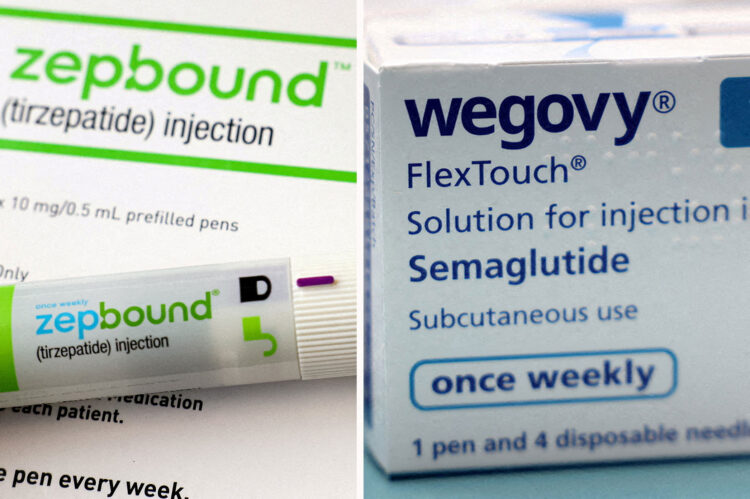
The Journal of the American Medical Association (JAMA) recently identified one oral medication and two injectable drugs as the most likely candidates for U.S. Food and Drug Administration (FDA) approval this year. These newcomers are expected to diversify consumer choice alongside established blockbusters like Wegovy and Zepbound (the obesity iteration of Mounjaro).
The promising pipeline is dominated by Novo Nordisk and Eli Lilly, the pharmaceutical giants currently leading the field. The 2026 debutantes include Eli Lilly’s oral pill Orforglipron, a high-dose version of Novo Nordisk's Semaglutide (the active ingredient in Wegovy), and CagriSema, a fixed-dose combination of semaglutide and the hunger-suppressing ingredient Cagrilintide.
Notably, Orforglipron and high-dose semaglutide are positioned for approval in the first half of this year. Both were selected for the FDA’s “National Priority Voucher (CNPV)” program—a fast-track initiative introduced in June 2025. This program slashes the review period for innovative drugs critical to national health from the standard 10–12 months to just 1–2 months.
Eli Lilly’s Oral Breakthrough: Up to 11% Weight Loss

Eli Lilly’s Orforglipron is a significant oral contender. Multinational Phase 3 clinical trials involving 3,100 non-diabetic adults with obesity showed that after 72 weeks, the high-dose group achieved an 11% weight loss, while the low-dose group saw a 7.5% reduction (compared to 2% for the placebo). In this trial, the drug was administered once daily at doses of 6mg, 12mg, and 36mg.
Novo Nordisk already launched an oral obesity treatment (a high-dose semaglutide pill) in the U.S. on January 5, 2026. Consequently, Orforglipron is viewed as Eli Lilly’s powerful counterattack in the oral medication arena.
The Competitive Edge: "No Wait" Dosing
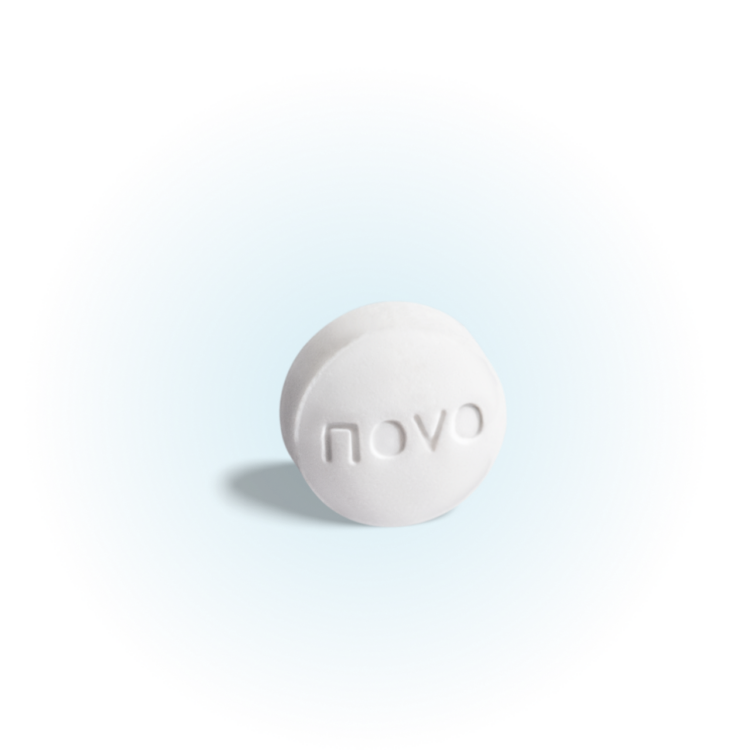
The rivalry is moving from needles to pills. Oral treatments are expected to disrupt the market due to their lower cost compared to injectables and their convenience for those with needle phobias or limited access to cold-chain refrigeration.
Eli Lilly is highlighting a specific advantage: Orforglipron's molecular properties. While oral semaglutide requires patients to wait 30 minutes after dosing before eating or drinking, Orforglipron allows for immediate food intake, offering significantly greater flexibility.
High-Dose Wegovy: Pushing to 19% Weight Loss
Last November, Novo Nordisk applied for approval of a high-dose semaglutide injectable. In a trial of 1,400 non-diabetic participants, the drug was administered once weekly at doses of 7.2mg or 2.4mg.
The results showed that the 7.2mg group achieved an average weight loss of 19%, roughly 3 percentage points higher than the 16% seen in the 2.4mg group, and significantly higher than the 4% in the placebo group. This trial included a low-calorie diet and increased physical activity.
CagriSema: The Synergistic Powerhouse Hits 20%
In December 2025, Novo Nordisk submitted an application for CagriSema. While not part of the CNPV fast-track, it is a highly anticipated combination therapy.
CagriSema combines semaglutide with Cagrilintide, an amylin analogue. While semaglutide targets the GLP-1 receptor to signal fullness, Cagrilintide is a redesigned molecule that allows the hormone amylin to act longer. Amylin regulates appetite and delays gastric emptying, which prevents hunger.
In a 68-week Phase 3 trial of 3,400 adults (obese or overweight with at least one weight-related comorbidity but without diabetes):
CagriSema Group (2.4mg semaglutide + 2.4mg cagrilintide): 20% weight loss.
Semaglutide Only (2.4mg): 15% weight loss.
Cagrilintide Only (2.4mg): 11.5% weight loss.
Placebo: 3%.
A separate small-scale trial on diabetic patients showed a 10-percentage-point difference over placebo—a smaller gap than that seen in non-diabetic patients, indicating that the drug is most effective for those without diabetes.
Outlook and Side Effects
The primary hurdle remains gastrointestinal disturbances (nausea, etc.) typical of this drug class. However, experts believe the high demand from "desperate" consumers will lead to a high tolerance for these side effects. As 2026 continues, the obesity market is poised for a constant stream of transformative news.