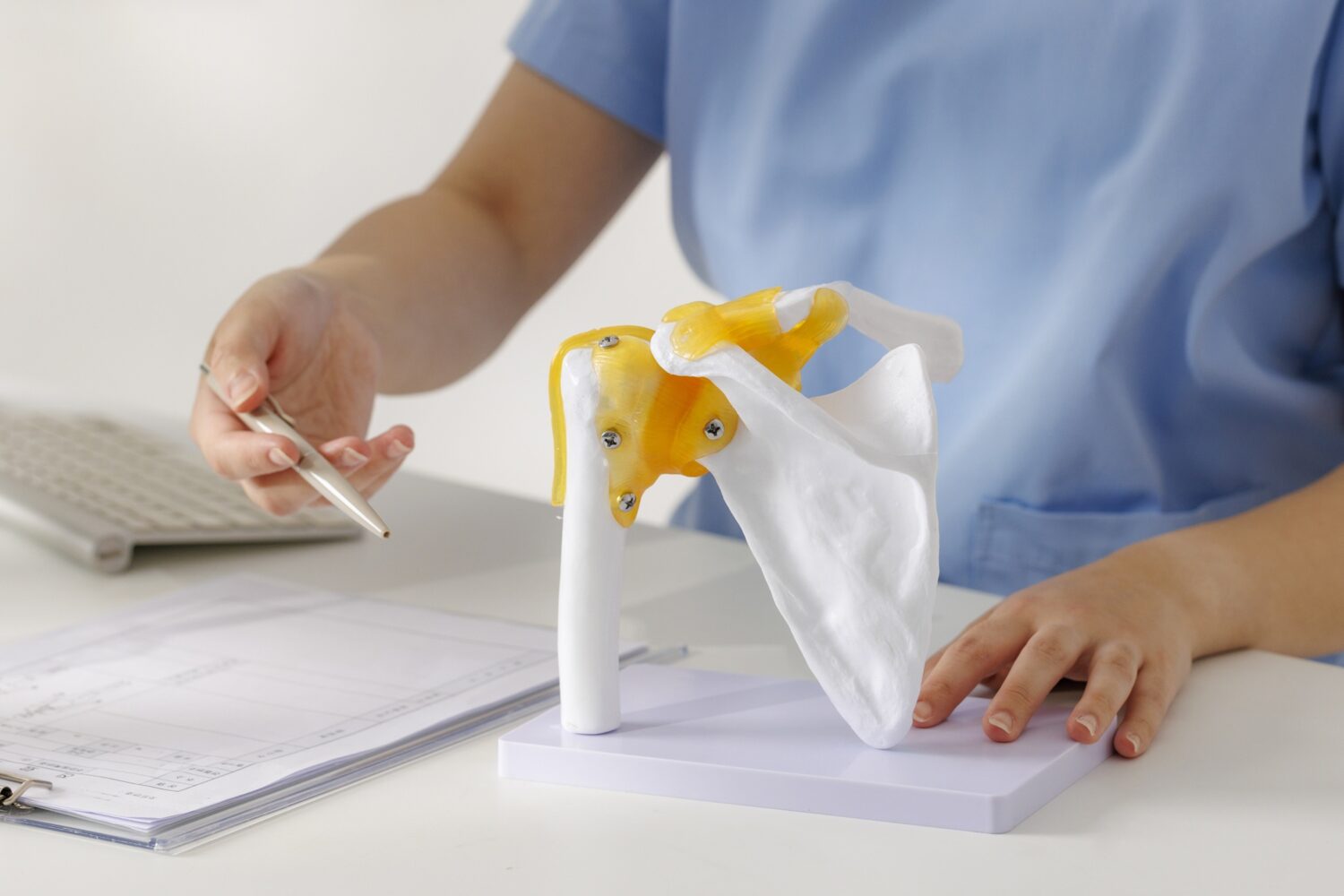
A man in his 50s, identified as Mr. A, suffered a shoulder dislocation several years ago and underwent corrective surgery. Despite the procedure, his shoulder continued to pop out repeatedly, accompanied by persistent pain. When simple daily tasks—such as lifting his arm or changing clothes—became nearly impossible, he sought a comprehensive medical evaluation.
The diagnosis was more severe than expected. Advanced osteoarthritis had worn away the cartilage in his shoulder joint, accompanied by extensive damage to both the rotator cuff—the stabilizing tendons surrounding the shoulder—and the biceps tendon. Ultimately, Mr. A required total shoulder replacement surgery.
The Cumulative Risks of Shoulder Instability
The shoulder is the most mobile joint in the human body, making it susceptible to various painful conditions. Common causes of shoulder discomfort include rotator cuff disease, frozen shoulder (adhesive capsulitis), osteoarthritis, calcific tendinitis, and lingering sequelae from traumatic dislocations.
While isolated shoulder pain is common, recurrent dislocations pose a far greater long-term threat. Beyond the immediate trauma of dislocation, the physical process of reducing and resetting the joint inflicts cumulative damage on the articular cartilage, joint capsule, bone margins, and surrounding tendons. Over time, persistent instability erodes the structural integrity of the joint.
The rotator cuff consists of four tendons that envelope the shoulder joint, enabling arm elevation and rotation. These tendons can weaken naturally with age, but they are also vulnerable to repetitive overuse, acute trauma, and recurrent dislocations. Early symptoms often present as pain during specific arm movements. As tears progress, muscle strength declines noticeably, and severe night pain frequently disrupts sleep. In advanced cases, torn tendons retract and muscle tissue undergoes fatty degeneration, making restorative treatment significantly more complex.
Although osteoarthritis is most commonly associated with weight-bearing joints like the knees and hips, it also affects the shoulder. Secondary shoulder osteoarthritis often develops following repeated dislocations, prior surgical failure, or long-standing untreated rotator cuff tears. As the joint becomes unstable, cartilage degenerates at an accelerated rate, narrowing the joint space and spurring osteophyte (bone spur) formation that severely restricts motion and causes chronic pain. When rotator cuff tears and osteoarthritis coexist, they exacerbate each other, rapidly degrading joint function.
Surgical Interventions and Evaluation Criteria
When severe osteoarthritis and rotator cuff destruction occur simultaneously, conservative therapies—such as oral medications, physical therapy, and joint injections—offer limited relief. In these advanced stages, joint replacement surgery becomes necessary.
"A decision to perform shoulder replacement surgery is never made based on pain severity alone," explained Park Ji-su, orthopedic surgeon and director of the Spine and Joint Center at Ulsan Eliya Hospital. "We make a comprehensive determination after thoroughly evaluating the extent of cartilage and bone destruction, the structural integrity of the rotator cuff, the frequency of prior dislocations, and the patient's treatment history. While conservative management is always prioritized initially, surgical reconstruction is considered when structural damage severely impairs daily function."
Surgical techniques and implant choices are tailored to the patient's age, activity level, bone quality, rotator cuff status, and prior surgical history. When the rotator cuff is severely damaged or irreparable, surgeons often utilize reverse shoulder arthroplasty. This procedure reverses the natural anatomy of the ball-and-socket joint, allowing the deltoid muscle—rather than the compromised rotator cuff—to power and elevate the arm.
Thorough preoperative evaluation utilizes X-rays, CT scans, and MRI to assess soft tissue and bone loss. For patients with a history of recurrent dislocations or previous operations, surgeons closely evaluate altered anatomical landmarks.
Postoperative Rehabilitation and Warning Signs
Surgical success depends heavily on structured postoperative rehabilitation. Initial recovery focuses on protecting the surgical site, managing pain, and controlling inflammation through passive range-of-motion exercises. As healing progresses, patients transition to active exercises and progressive strength training. Because rehabilitation protocols vary based on the surgical approach and individual healing rates, patients must avoid premature overuse even after pain subsides.
Medical evaluation should not be delayed if any of the following warning signs occur:
A history of one or more shoulder dislocations
Recurrent pain when lifting or rotating the arm
Worsening night pain that interferes with sleep
A noticeable reduction in the shoulder's range of motion
To preserve shoulder health, individuals should minimize repetitive overhead movements, practice proper lifting mechanics, and maintain flexibility through regular stretching. Targeted exercises to strengthen the rotator cuff and deltoid muscles also play a critical role in maintaining long-term joint stability.