
After washing your face, it can be tempting to judge success by whether your skin feels "squeaky clean." Especially after wearing makeup or sunscreen, many people reach for stronger cleansers or scrub repeatedly out of fear that residue remains behind. However, dermatologists warn that effective cleansing is far from aggressive cleansing.
While removing leftover makeup, sunscreen, and excess sebum is essential, over-cleansing places severe physical stress on the skin. Surfactants in cleansers help lift away oil and impurities, but harsh formulas can also degrade key proteins and lipids within the stratum corneum—the skin’s outermost protective barrier. Research shows that repeated exposure to strong surfactants leads to post-cleansing tightness, dryness, and irritation, gradually compromising the skin barrier’s function.
To prevent barrier damage, the American Academy of Dermatology (AAD) recommends using a gentle, nonabrasive cleanser applied softly with fingertips and lukewarm water. Scrubbing as if "scraping off grime" triggers inflammation rather than cleanliness. For dry or sensitive skin, dermatologists suggest adjusting both cleansing frequency and cleanser strength based on daily skin conditions.
Tailoring Cleansing to Day and Night
Rather than maximizing raw cleansing power, modern skincare—led by K-beauty innovations—is shifting toward functional segmentation: tailoring products strictly to what needs to be removed at different times of the day.
Skin faces distinct conditions in the morning compared to the evening. Morning cleansing focuses primarily on removing sebum, sweat, and dead skin cells accumulated overnight. Evening cleansing, by contrast, must tackle makeup, water-resistant sunscreen, and airborne pollutants picked up throughout the day. The AAD similarly advocates a two-pronged approach: washing away impurities collected during sleep in the morning, and thoroughly clearing makeup and dust before bed.
This segmented philosophy is increasingly reflected in new product formulations. South Korean medical aesthetics company VAIM recently introduced a targeted dual-cleanser system within its Juvelook skincare line, explicitly separating morning and night cleansing goals. The routine utilizes a rich "milk cleanser" at night to dissolve makeup and sunscreen, and a lightweight "gel cleanser" in the morning to clear overnight oil and dead skin cells.
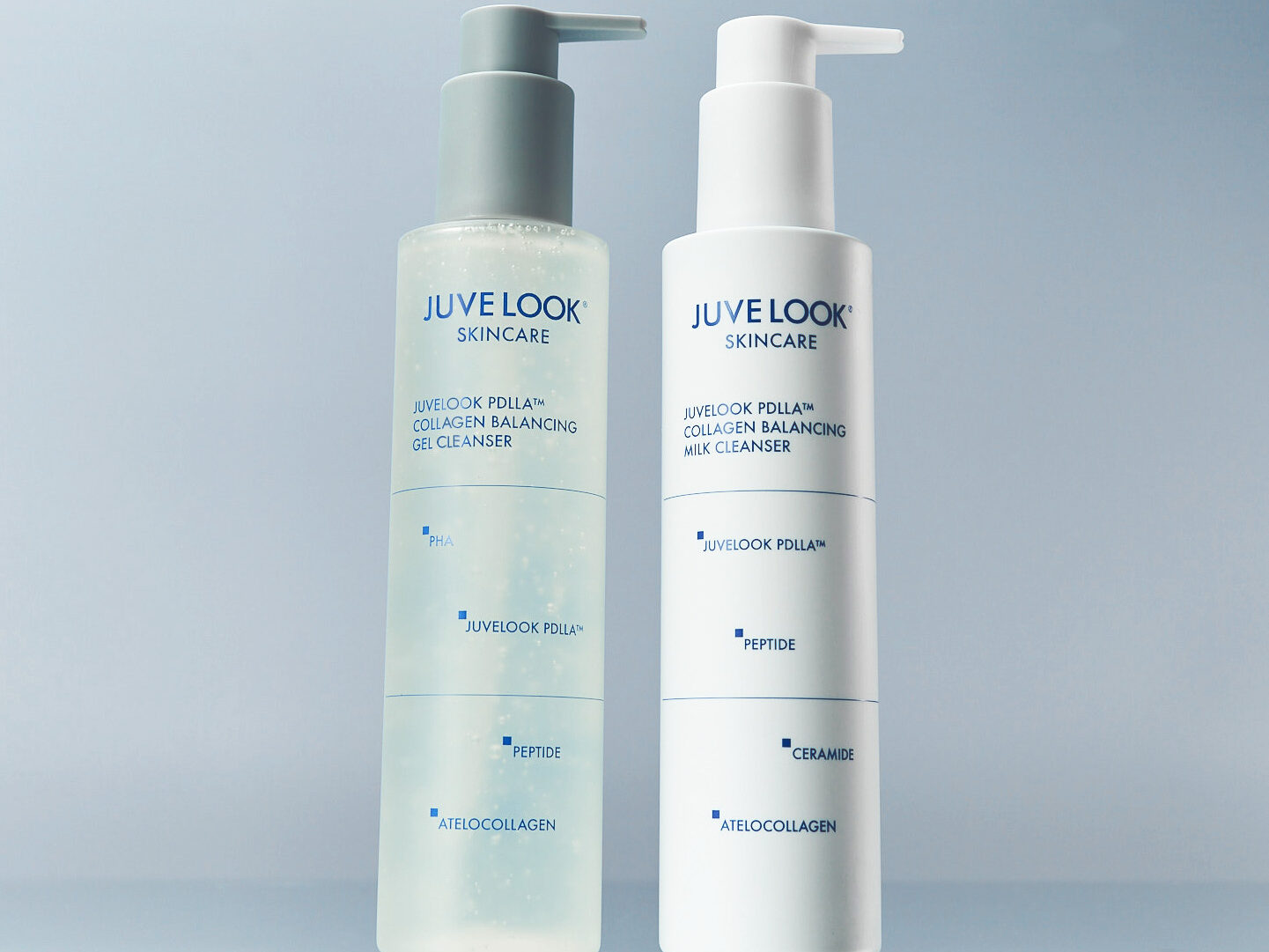
Formulated with a 10-layer ceramide complex, the milk cleanser restores moisture while removing heavy residue, whereas the gel cleanser utilizes amino acid-based surfactants and mild exfoliating agents. In human application trials conducted by VAIM, the milk cleanser reduced pore impurities by 97.15% and base makeup by 94.98%. Meanwhile, a single use of the gel cleanser reduced pore impurities by 77.99% and excess sebum by 77.16%. Combined testing of both products confirmed overall improvements in skin pH and oil-moisture balance.
"Because cleansing is the foundation of daily skincare, routines must consider not only how effectively residue is removed, but also the physical burden left on the skin afterward," a VAIM official noted. "Dividing the roles between milk and gel formulas targets distinct morning and evening cleansing needs without damaging the skin barrier."
Ultimately, dermatologists emphasize that gentle technique beats aggressive scrubbing. Cleansers should be lathers thoroughly and washed gently with lukewarm water using fingertips, followed by lightly pressing a clean, soft towel against the face to absorb moisture. Persistent tightness, redness, or stinging immediately after washing are clear warning signs that a cleanser is too harsh or that the cleansing routine itself is causing damage.