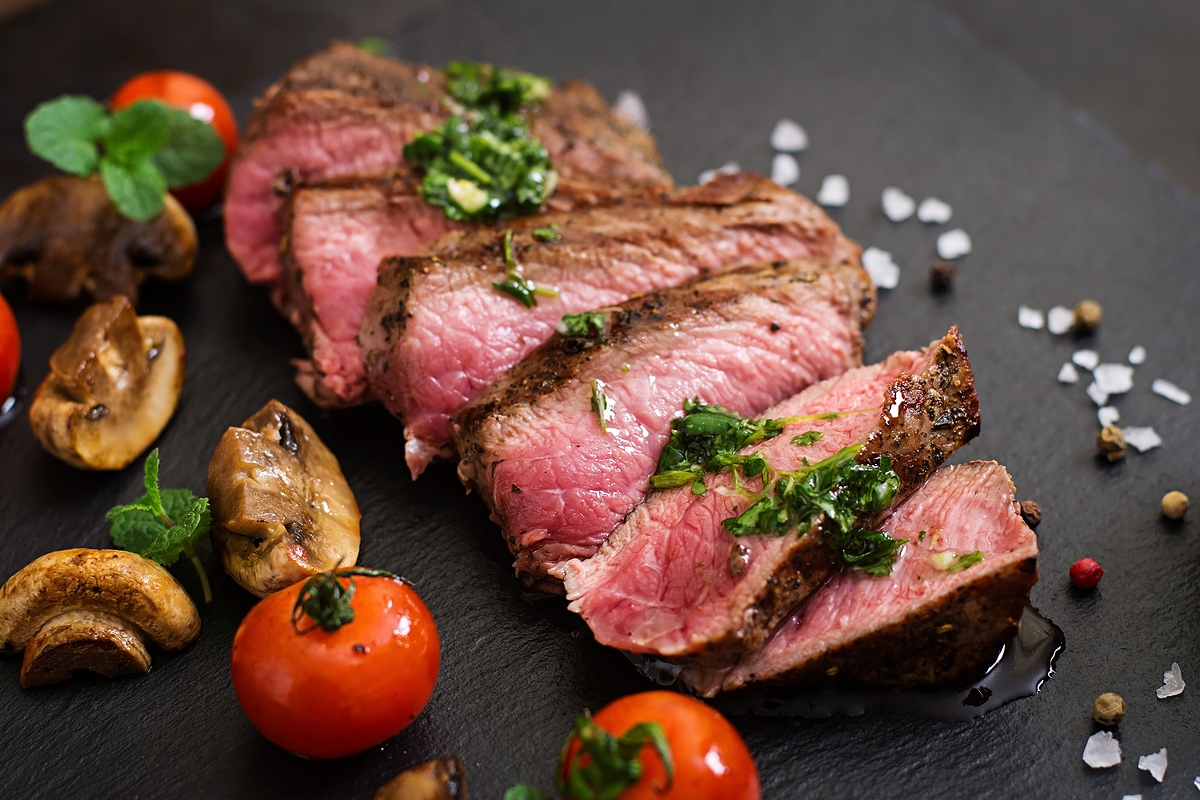
(Continued from installments 142 and 143) Animal protein is frequently described as a "complete protein" because it contains all essential amino acids, whereas plant protein is often labeled an "incomplete protein" for lacking certain ones. This framing leads many consumers to favor meat and dairy. However, "complete" and "incomplete" are biochemical terms that describe a food's specific amino acid profile, not nutritional concepts that directly dictate human health outcomes [1, 2].
In reality, the human body maintains amino acid pools in the liver and blood. This means individuals do not need to consume a perfectly balanced set of essential amino acids in a single sitting; eating a variety of plant-based foods throughout the day provides all the necessary essential amino acids [3, 4].
When people base their diets predominantly on animal protein—often guided by outdated advice—a far more severe outcome can follow: premature death. Previous installments examined major chronic conditions linked to premature mortality, including cancer, hypertension, heart disease, diabetes, and kidney disease. This column turns to two pervasive gut health crises: constipation and colon cancer.
Related article: “Cancer·Hypertension·Diabetes⋯The betrayal of meat, a ‘complete protein’: [Song Mu-ho’s Vegan News] 142. Sarcopenia ⑦”(Kormedi.com Sept. 03, 2026)(https://kormedi.com/2857937/)
Related article: “Kidney disease more frightening than cancer, and there’s no medicine⋯Is the culprit ‘animal protein’?: [Song Mu-ho’s Vegan News] 143. Sarcopenia ⑧“(Kormedi.com Sept. 10, 2026)(https://kormedi.com/2862844/)
From 'Useless' Bulk to the Essential 'Sixth Nutrient'
Just like humans, gut bacteria in the colon require nourishment. Probiotics—the beneficial microbes that support human health—thrive by feeding on dietary fiber. Because the human digestive tract cannot digest or absorb fiber, it was historically dismissed as useless bulk. Today, extensive research highlights its role in preventing a spectrum of chronic diseases, earning it recognition as the "sixth nutrient" [5].
Dietary fiber is abundant in plant foods, including fruits, vegetables, whole grains, legumes, nuts, seeds, and seaweed. Conversely, it is entirely absent from animal products such as meat, fish, milk, and eggs, as fiber is a structural component found exclusively in plant cell walls.
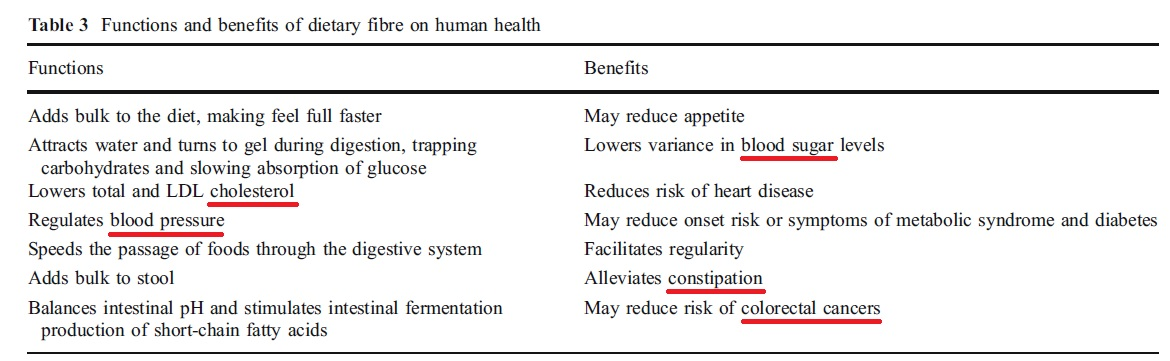
Dietary fiber exists in two forms—soluble and insoluble—each serving distinct physiological functions. Soluble fiber (such as inulin, pectin, and oligosaccharides) dissolves easily in water and is found primarily in fruits and vegetables. It acts as a primary fuel source for beneficial gut bacteria, which ferment it into short-chain fatty acids (SCFAs). These acidic compounds maintain a mildly acidic intestinal environment, suppressing harmful pathogens while encouraging beneficial bacteria to flourish. Among SCFAs, butyric acid serves as a critical energy source for colonic epithelial cells, strengthening the gut mucosal barrier and actively dampening inflammation [6, 7].
Insoluble fiber (such as cellulose, lignin, and resistant starch) does not dissolve in water and is predominant in whole grains and root vegetables. While less readily broken down by colonic microbes, insoluble fiber absorbs water effectively, adding bulk and softness to stool to promote regular bowel movements [8]. In whole plant foods, soluble and insoluble fibers coexist in varying proportions.
High-fiber foods enhance satiety to prevent overeating, delay carbohydrate absorption to curb sharp blood sugar spikes, and promote cholesterol excretion to lower blood LDL cholesterol levels. Consequently, a fiber-dense diet plays a vital role in preventing common chronic conditions, including obesity, diabetes, hyperlipidemia, and hypertension [9].
Despite these critical health benefits, modern populations consume far too little fiber. A 2021 study in the United States found that a staggering 93% of Americans failed to meet recommended daily fiber intake levels (38 grams for men, 25 grams for women) [10]. In South Korea, where traditional side dishes like kimchi boost intake, fiber consumption is slightly higher. Nevertheless, a 2024 report revealed that approximately 57% of Korean adults fall short of daily recommendations (25 grams for men, 20 grams for women), with nearly 70% of men aged 19 to 64 failing to meet the target [11].
How Animal Protein and Zero-Fiber Diets Damage Gut Health
A diet devoid of dietary fiber sets the stage for chronic constipation. As beneficial bacteria starve and SCFA production declines, the colonic mucosa weakens, heightening susceptibility to inflammatory bowel diseases. Exposed to toxic bile acids, this compromised mucosal lining faces an increased risk of developing polyps and colon cancer [12].
Excessive animal protein intake further compounds gut dysfunction. While adequate protein intake is essential, unabsorbed protein beyond what the small intestine can digest passes directly into the colon—a scenario common in high-protein diets exceeding 1.2 to 1.6 grams per kilogram of body weight daily (with intake over 2.0 g/kg/day considered excessive).
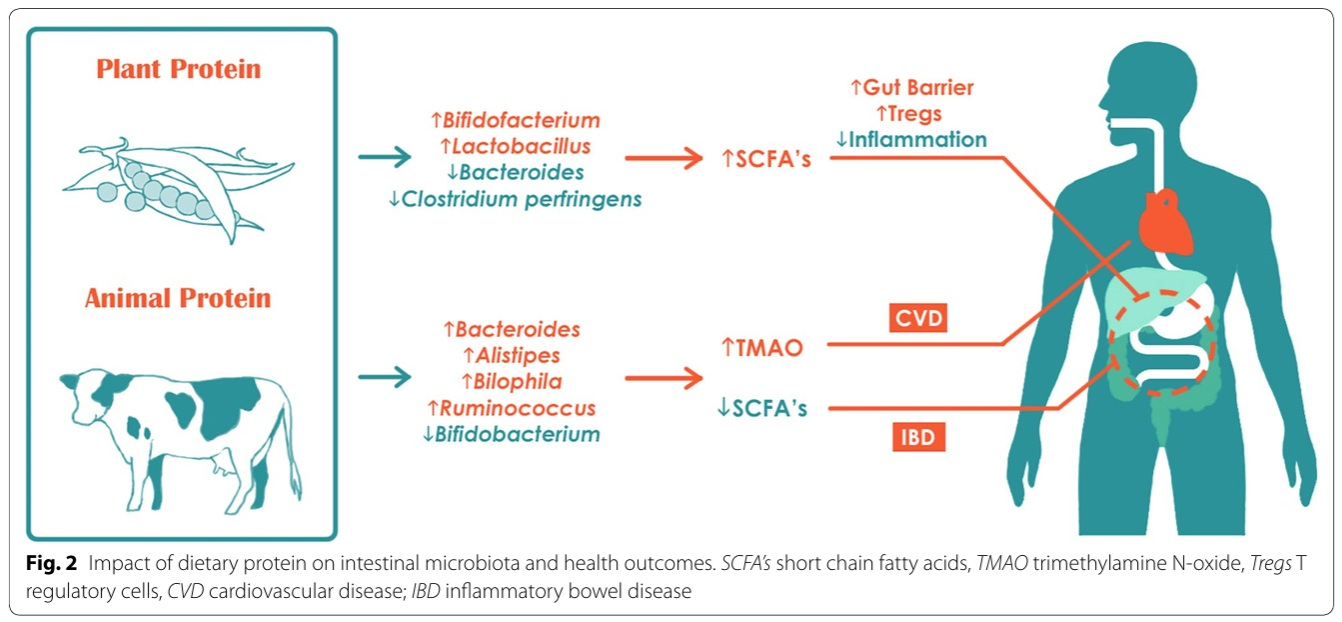
When unabsorbed animal protein reaches the colon, harmful bacteria break it down through putrefaction, generating toxic metabolic byproducts such as ammonia, hydrogen sulfide, amines, and indole. These substances cause chronic mucosal inflammation, dramatically raising the risk of inflammatory bowel disease and colorectal malignancies [13, 14]. By contrast, plant proteins contain fewer sulfur-containing amino acids that yield toxic compounds, while supplying rich dietary fiber that fuels SCFA production—creating a significantly healthier gut environment [15].
This mechanistic link is backed by large-scale clinical evidence. A 10-year study tracking 67,000 healthy middle-aged French women (aged 40 to 65) demonstrated that higher total protein intake—specifically higher animal protein consumption—was directly associated with an increased incidence of inflammatory bowel disease [16].
Furthermore, animal protein promotes the production of trimethylamine N-oxide (TMAO), a vascular toxin, while suppressing beneficial SCFA levels. Plant protein achieves the exact opposite: inhibiting TMAO production while stimulating SCFA synthesis, offering profound advantages for systemic cardiovascular and metabolic health [17].
For these reasons, heavy consumption of animal protein compromises gut integrity and increases overall mortality. The safest, most effective strategy to prevent sarcopenia while protecting long-term health combines consistent resistance training with high-quality protein. Crucially, high-quality protein is defined not by animal sources, but by plant sources.
Epidemiological data shows that replacing just 3% of daily energy intake from animal protein with plant protein reduces all-cause mortality by 10% and cardiovascular disease mortality by 12%. Increasing that replacement to 5% lowers all-cause mortality by 24% and cardiovascular mortality by 22% [18].
It is disheartening that many commentators and self-proclaimed experts continue to insist across media outlets that meat must be consumed to obtain "complete proteins." Consumers would be wise to move past the myth of the "complete protein" and recognize plant foods as the true foundation of long-term health and longevity.
Song Mu-ho, MD, PhD, is an orthopedic surgeon and specialist in lifestyle medicine.
References
1. VR Young, PL Pellett. Plant proteins in relation to human protein and amino acid nutrition. Am J Clin Nutr 1994;59(5 Suppl):1203S-1212S.
2. J McDougall. Plant foods have a complete amino acid composition. Circulation 2002;105(25):e197-e197.
3. F Mariotti, CD Gardner. Dietary Protein and Amino Acids in Vegetarian Diets-A Review. Nutrients 2019;11(11):2661.
4. EJ Arentson-Lantz, Z Von Ruff, G Connolly, et al. Meals Containing Equivalent Total Protein from Foods Providing Complete, Complementary, or Incomplete Essential Amino Acid Profiles do not Differentially Affect 24-h Skeletal Muscle Protein Synthesis in Healthy, Middle-Aged Women. J Nutr 2024;154(12):3626-3638.
5. Republic of Korea Policy Briefing https://www.korea.kr/news/examPassView.do?newsId=148766822
6. C Martin-Gallausiaux, L Marinelli, HM Blottière, et al. SCFA: mechanisms and functional importance in the gut. Proc Nutr Soc 2021;80(1):37-49.
7. A Koh, F De Vadder, P Kovatcheva-Datchary, F Bäckhed. From dietary fiber to host physiology: short-chain fatty acids as key bacterial metabolites. Cell 2016;165(6):1332-1345.
8. G Su, X Qin, C Yang, et al. Fiber intake and health in people with chronic kidney disease. Clin Kidney J 2022;15(2):213-225.
9. D Dhingra, M Michael, H Rajput, RT Patil. Dietary fibre in foods: a review. J Food Sci Technol 2012;49(3):255-66.
10. American society for Nutrition https://nutrition.org/most-americans-are-not-getting-enough-fiber-in-our-diets/
11. S Shin. Association Between Dietary Fiber Intake and Low Muscle Strength Among Korean Adults. Clin Nutr Res 2024;13(1):33-41.
12. K Makki, EC Deehan, J Walter, F Bäckhed. The impact of dietary fiber on gut microbiota in host health and disease. Cell host & microbe 2018;23(6):705-715.
13. F Omer, X Song, E Qiao, et al. High-Protein Diets: Characteristics of Bacterial Fermentation and Its Consequences on Intestinal Health. Fermentation 2025; 11(12):678.
14. A González, A Fullaondo, I Odriozola, A Odriozola. Microbiota and other detrimental metabolites in colorectal cancer. Advances in Genetics 2024;112:309-365.
15. L Alvarenga, JA Kemp, BG Baptista, et al. Production of Toxins by the Gut Microbiota: The Role of Dietary Protein. Curr Nutr Rep 2024;13(2):340-350.
16. P Jantchou, S Morois, F Clavel-Chapelon, et al. Animal protein intake and risk of inflammatory bowel disease: The E3N prospective study. Official journal of the American College of Gastroenterology 2010;105(10):2195-2201.
17. RK Singh, HW Chang, D Yan, et al. Influence of diet on the gut microbiome and implications for human health. J Transl Med 2017;15(1):73.
18. M López-Moreno, G Barrantes-Espinola, JC Craddock. Protein Paradox: Protein Quality Based on Amino Acids Composition is Poorly Associated with Health Outcomes. Curr Nutr Rep 2026;15(1):35.