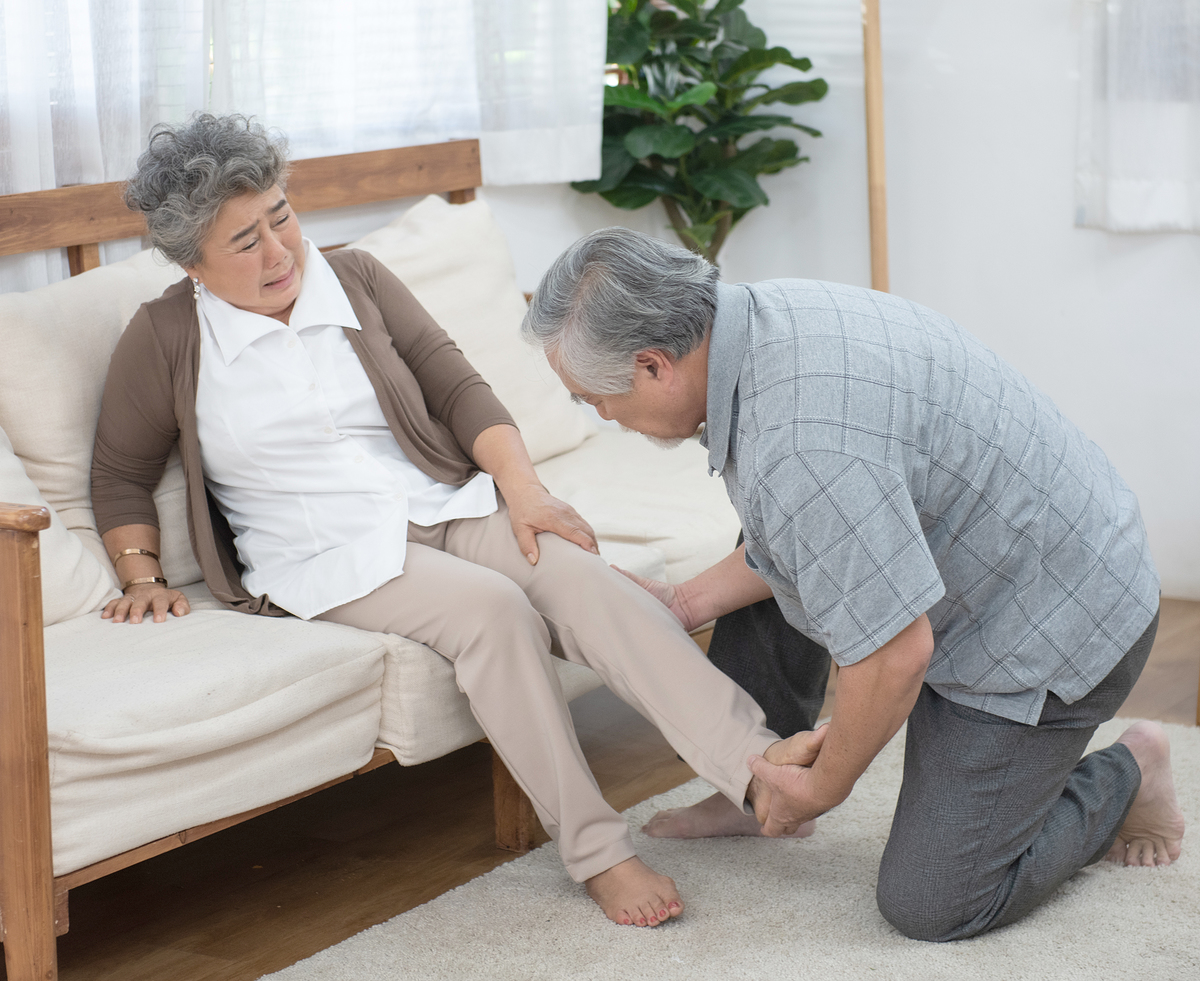


The COVID-19 pandemic may be over, but the scars left by the virus are severe. Research has shown that infection with COVID-19 can lead to permanent physical changes in the brain, significantly diminishing memory and concentration in the long term even after recovery.
A research team from Griffith University in Australia has revealed that advanced MRI (magnetic resonance imaging) technology shows that the COVID-19 virus causes structural changes in the brain even after treatment. According to the study, significant alterations remain in the brain tissue of individuals who have been infected with COVID-19 but currently show no symptoms and have been declared recovered.
Distinct structural differences were found in the gray and white matter areas of their brains, which are responsible for memory, cognition, and overall brain health. This indicates that the ‘scars’ left in the wake of the virus continuously erode cognitive function.
This research (Altered brain tissue microstructure and neurochemical profiles in long COVID and recovered COVID-19 individuals: A multimodal MRI study) was published in the December issue of the international journal 《Brain, Behavior, and Immunity-Health》.
Shockingly, changes in brain neurochemistry and tissue structure were observed not only in long COVID patients but also in those who believe they have ‘recovered healthily.’ This suggests that even without apparent symptoms, the internal state of the brain has changed significantly from before. The memory decline and brain fog (cognitive dullness) that appear months after infection are not merely due to mood but are caused by structural changes in the brain.
In addition to COVID-19, there are several other ‘neurotropic viruses’ that invade the brain or cause inflammation, disrupting the nervous system. The five major viruses threatening brain health include COVID-19, influenza, herpes (simplex and shingles), measles, and HIV (human immunodeficiency virus). Neurotropic viruses refer to those that have an affinity for the nervous system (brain, spinal cord, peripheral nerves).
The common influenza virus should not be underestimated either. In severe cases, the flu virus can weaken the blood-brain barrier (BBB) or cause neuroinflammation. The surge in Parkinson’s disease cases following the Spanish flu pandemic and experimental results showing that mice infected with the flu experienced significant memory loss support this. Complaints of “brain fog” after the flu may not simply be due to fatigue.
The herpes virus (type 1), which causes blisters on the lips, is even more persistent. It remains dormant in the nerve ganglia for life and activates when immunity decreases. Recent academic hypotheses suggest that beta-amyloid, a substance linked to Alzheimer’s disease, may be remnants of a defense barrier against herpes viruses that have invaded the brain. Repeated reactivation leads to neuronal death and inflammation.
While HIV has allowed for life extension through treatment, the virus stimulates microglia, causing chronic inflammation (HAND), which increases the risk of cognitive decline in patients. The measles virus can cause severe cognitive regression by inducing fatal brain damage known as subacute sclerosing panencephalitis (SSPE) years after recovery.
These viruses leave scars on the brain through two main pathways. The virus can directly invade the brain via nerves or blood, or inflammatory substances (cytokines) released during the immune response can attack brain cells. This Griffith University study suggests that COVID-19 may cause permanent changes in brain structure through the latter mechanism.
Statistically, the correlation is clear. Large-scale data analyses from Denmark and the United States show that elderly individuals who suffered severe influenza or pneumonia have a significantly higher probability of being diagnosed with Alzheimer’s or Parkinson’s disease within 5 to 10 years post-infection. This indicates that infections can act as catalysts for accelerated brain aging.
Viral infections do not simply end with a ‘negative diagnosis.’ Vaccination is essential, and after infection, it is crucial to minimize the inflammatory burden on the brain through adequate rest. If memory decline persists after recovery, it should not be dismissed as a simple aftereffect, and neurological consultation should be sought. The scars etched in the brain may not be visible, but they can become the most persistent shackles erasing our memories.
[Frequently Asked Questions]
Q1. Can there be lasting brain damage even if I had a mild case of COVID-19 or have already been declared recovered?
A1. Yes, unfortunately, that is the case. According to research from Griffith University in Australia, structural changes in brain tissue have been found not only in patients experiencing long COVID (post-COVID symptoms) but also in those who believe they have ‘recovered healthily.’ Even without symptoms, the viral infection itself can cause subtle changes in the gray and white matter areas of the brain, which may later lead to memory decline or brain fog.
Q2. Are common viruses like influenza or herpes (cold sores) related to brain diseases like dementia or Parkinson’s?
A2. Yes, research continues to show a close relationship. Statistics indicate that elderly individuals who suffered severe influenza (the flu) have a higher probability of being diagnosed with Parkinson’s or Alzheimer’s, and experiments with mice have confirmed that the flu virus interferes with memory formation. There is a strong hypothesis that the herpes virus, which causes cold sores, induces the accumulation of beta-amyloid, a causative substance of Alzheimer’s disease, when it invades the brain.
Q3. My memory isn’t what it used to be after a viral infection; what should I do for my brain health?
A3. Immediately after infection, it is crucial to minimize the body’s inflammatory response through adequate rest and nutrition to reduce the burden on the brain. However, if memory loss or decreased concentration persists long after recovery, it is advisable not to attribute it solely to fatigue but to seek neurological consultation. The ‘scars’ left by the virus in the brain can be managed more effectively the earlier they are detected, potentially slowing cognitive decline.