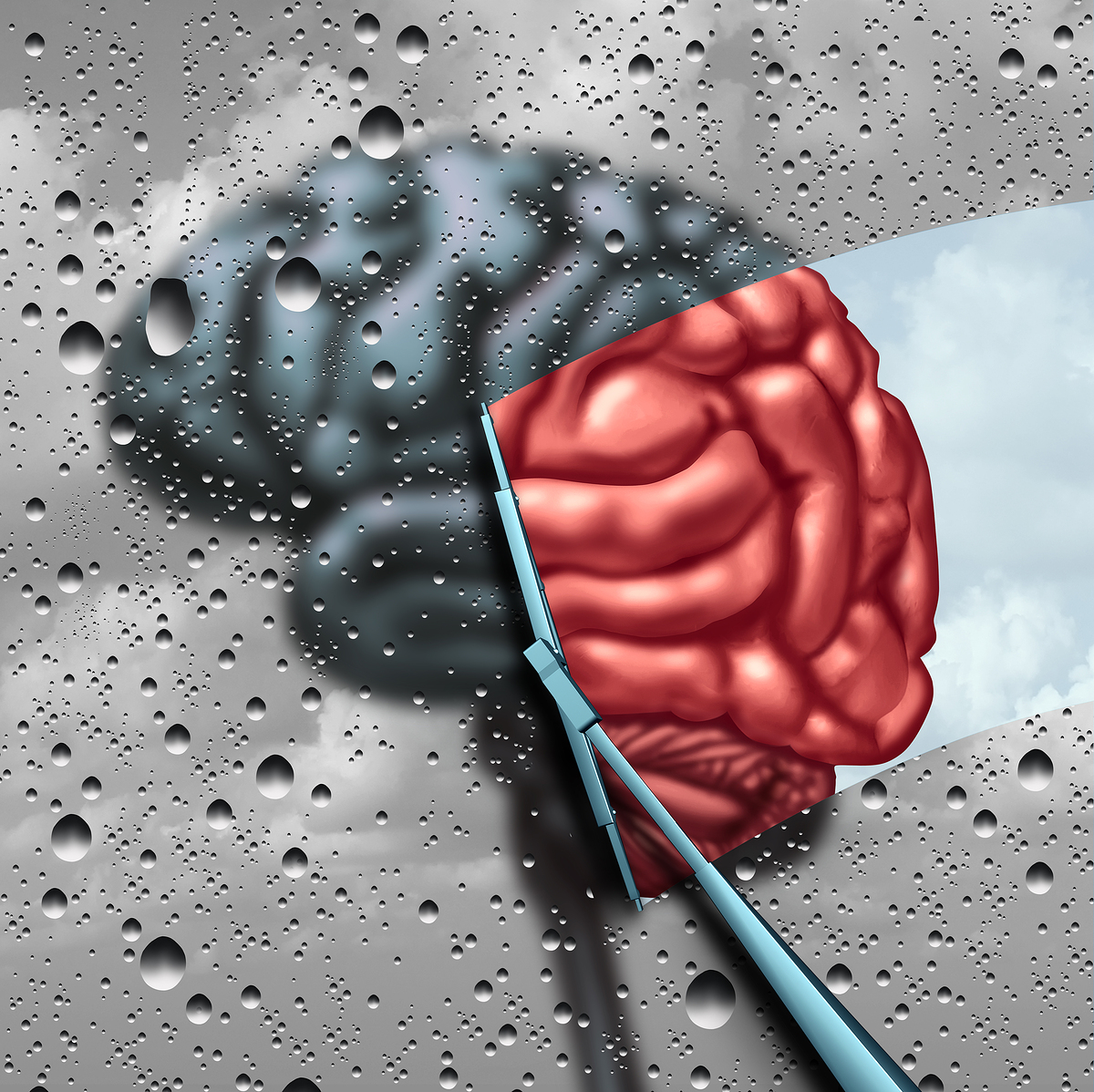
Most illnesses announce themselves through distinct warning signs, but cerebral aneurysms are different. Until they rupture, these dangerous bulges in the brain's blood vessels typically send no signal at all.
In September last year, popular gaming YouTuber "Daedo Library" (Na Dong-hyun) went to sleep after a broadcast and never woke up. In his late 40s and without a history of severe headaches, a health checkup two years prior had revealed nothing unusual. An autopsy later confirmed the cause of death as a subarachnoid hemorrhage (SAH) caused by a ruptured cerebral aneurysm. The absence of any advance warning is precisely what makes the condition so dangerous.
The Mechanics of a Silent Threat
A cerebral aneurysm occurs when a weakened section of an artery wall bulges outward like a small sac. Much like a balloon that develops thin spots when repeatedly inflated, blood vessels thin under continuous pressure. By itself, an unruptured aneurysm rarely causes pain or discomfort unless it grows large enough to press directly on nearby nerves.
The danger lies entirely in the risk of rupture. When an aneurysm bursts, it causes sudden, overwhelming head pain—often described as feeling like a blow to the head. Approximately 30% of patients die immediately upon rupture, and among survivors, roughly half suffer permanent neurological damage.
Treatment Options and the Paradigm Shift to Coiling
Because aneurysms remain asymptomatic, most are discovered incidentally during brain imaging performed for other medical reasons. Once identified, neurosurgeons evaluate two primary treatment strategies: surgical clipping and endovascular coiling.
Clipping involves an open craniotomy, in which surgeons open the skull and place a tiny metallic clip across the neck of the aneurysm to seal off blood flow. Coiling, by contrast, is a minimally invasive endovascular procedure. Surgeons thread a thin catheter through a blood vessel in the groin up to the brain, packing the aneurysm sac with delicate platinum coils to induce clotting and plug the opening.
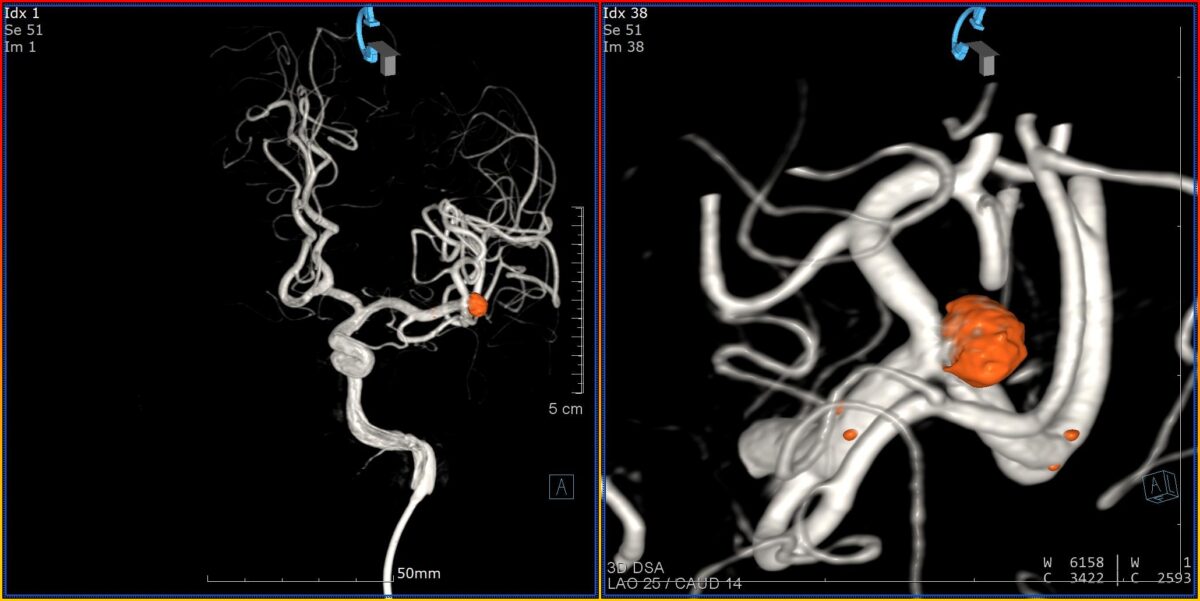
The 36-year surgical record at Dongrae Bongsaeng Hospital illustrates a major historical shift toward catheter-based interventions. Having initiated cerebrovascular surgery in 1990, the hospital recorded 9,566 cumulative cases through July 2026, approaching the 10,000-case milestone.
Within these records, surgical clipping peaked at 155 cases in 2007 before steadily declining to 15 cases in 2025. Conversely, endovascular coiling—which began at the hospital with 56 cases in 2011—expanded continuously, reaching 120 cases annually in both 2024 and 2025. This growth was supported by parallel advancements in diagnostic infrastructure: diagnostic cerebral angiography (DSA) expanded from 99 cases in 2011 to roughly 600 cases annually, while arterial stent procedures rose from 17 cases in 2011 to 30 cases in 2024.
Preserving Normal Blood Flow
Patients often worry that packing an aneurysm with coils will obstruct blood supply to the brain. However, the procedure targets only the bulging sac, leaving the main artery fully open. The coils fill the side-pocket bulge where blood has pooled, sealing the entrance while normal blood circulation continues through the primary vessel.
Despite the advantages of coiling, open surgery remains necessary for certain complex aneurysms depending on their size, shape, and anatomical location.
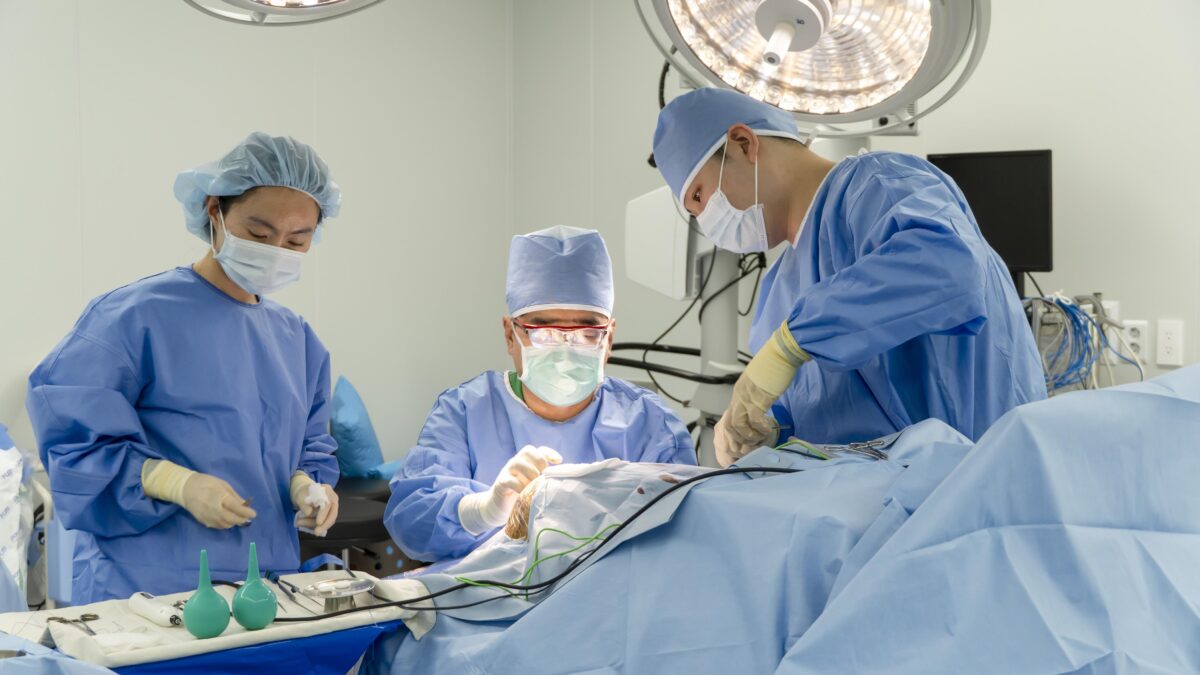
"Even in emergency situations caused by a ruptured vessel, we rapidly evaluate the patient's overall state to determine the safest surgical path," said No Seung-jin, director of clinical services and neurosurgery specialist at Dongrae Bongsaeng Hospital. "A center must maintain high proficiency in both open craniotomies and endovascular procedures so that treatment can be tailored objectively to each patient's specific anatomy."
The Importance of Early Screening
While advances in endovascular technology allow many aneurysms to be treated without opening the skull, early detection remains the single most effective defense.
"Individuals with a family history of cerebral aneurysms or subarachnoid hemorrhage, as well as those with hypertension or a history of heavy smoking, should proactively undergo magnetic resonance angiography (MRA) screening," No emphasized.
Frequently Asked Questions
Why are cerebral aneurysms so difficult to detect early?
Because the bulging vessel wall causes no physical pain or sensation unless it becomes large enough to compress adjacent cranial nerves, most unruptured aneurysms are discovered incidentally during routine brain imaging.
Who should undergo screening, and when?
Asymptomatic individuals with risk factors—including hypertension, a long history of smoking, or a family history of brain aneurysms or hemorrhagic stroke—are advised to seek a preventive brain MRA.
Does an aneurysm diagnosis always require immediate surgery?
No. Small aneurysms with a low statistical risk of rupture are often managed conservatively through regular radiological follow-up. Medical teams evaluate size, location, and shape before recommending intervention.
Is coiling superior to clipping?
Neither procedure is universally superior. Neurosurgeons select between clipping and coiling based on which technique provides the safest, most durable outcome for the specific patient's vessel structure and medical status.
Expert Input: No Seung-jin, Director of Clinical Services (Neurosurgery), Dongrae Bongsaeng Hospital
Dr. No Seung-jin graduated from the College of Medicine at Dong-A University, where he also earned his master’s and doctoral degrees. He served as a neurosurgery fellow at Dong-A University Hospital and Yonsei University Severance Hospital, and worked as a full-time lecturer and assistant professor at Inje University Busan Paik Hospital before joining Dongrae Bongsaeng Hospital. He specializes in surgeries for cerebrovascular conditions, including stroke and cerebral aneurysms, as well as brain tumor procedures.