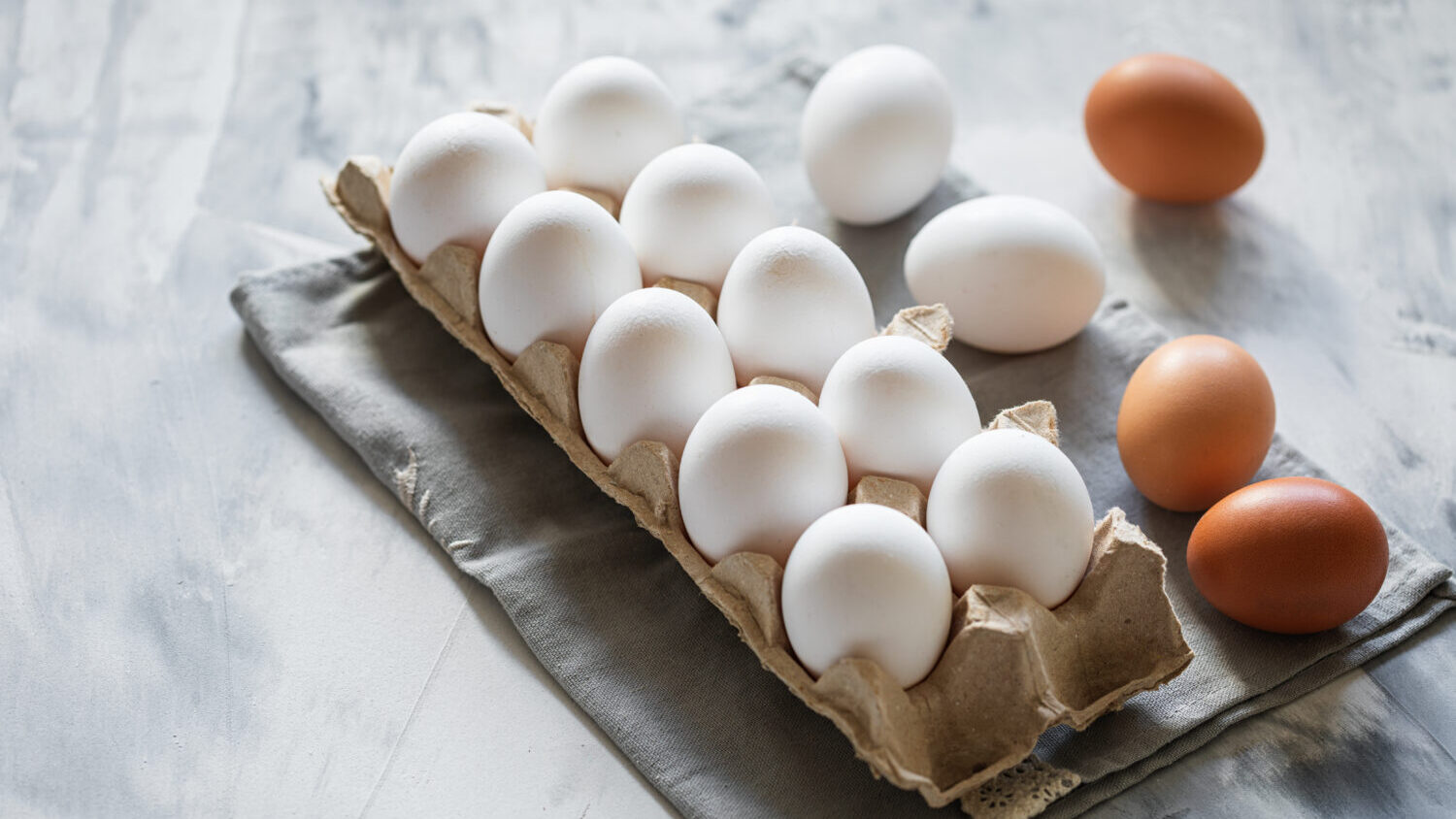
Eggs are a universal grocery staple, yet shoppers frequently pause in the dairy aisle, weighing whether brown eggs are superior to white ones or if animal-welfare labels deliver better nutrition. Navigating these choices requires looking past marketing myths and focusing on shell codes, freshness, and proper storage.
Shell and Yolk Color: Separating Fact from Fiction
Supermarket eggs generally come in brown or white varieties, a difference driven entirely by the chicken's breed rather than any nutritional superiority. White eggs are no more nutritious than brown ones.
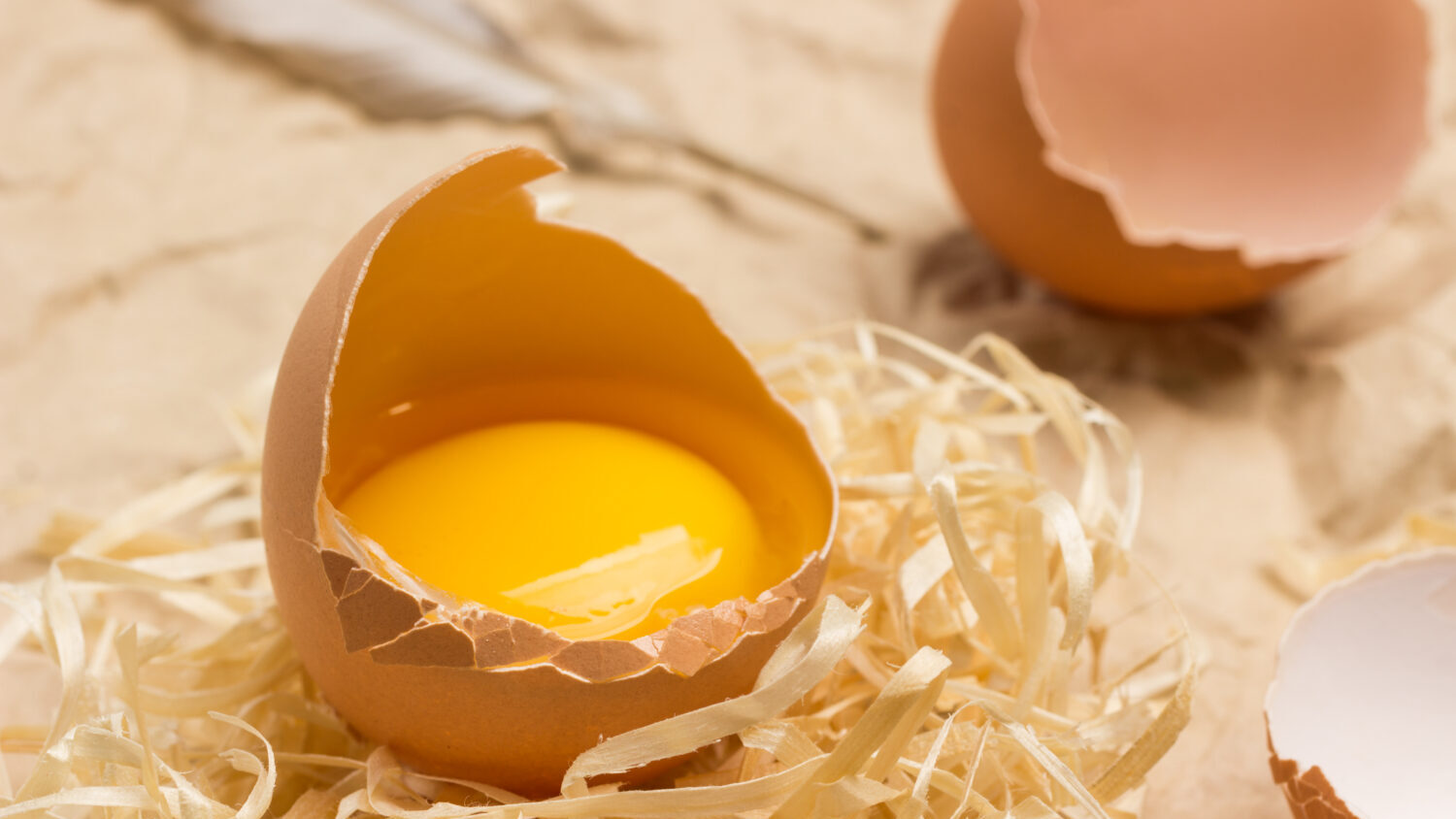
Similarly, yolk color—ranging from pale yellow to deep orange—has no bearing on freshness or nutrient density. According to the Ministry of Food and Drug Safety (MFDS), yolk color simply reflects the hen's diet. Chickens fed feed rich in plant pigments like xanthophyll produce darker yolks, whereas wheat- or white-corn-based diets yield lighter yellow yolks.
Evaluating Quality: Shell Condition and Farming Methods
Appearance-wise, shoppers should prioritize structural integrity over color. The Korea Poultry Association notes that fresh eggs should be clean, unbroken, and oval-shaped.
Consumers also frequently debate whether to buy fertilized or animal-welfare eggs. While these specialty eggs are often perceived as richer in flavor or less fishy, they do not differ significantly from standard eggs in core nutritional components such as protein or cholesterol.
Reading the Shell Code
Assessing freshness relies on checking the laying date and expiration guidelines, which can be found in the alphanumeric code stamped directly onto the shell. This code displays the laying date, the farm’s unique identification number, and a farming-environment digit. For example, a code beginning with "1007" indicates the egg was laid on October 7, with eggs remaining at peak freshness within two to three weeks of laying.
The final digit in the code indicates the housing environment:
1: Free-range
2: Barn-raised
3: Improved cage
4: Conventional cage-raised
Lower numbers denote environments where hens have greater mobility and space.
Proper Storage Matters
Choosing fresh eggs is only half the battle; proper storage is equally critical. Eggs should be stored on an interior refrigerator shelf maintained between 0°C and 4°C, avoiding door compartments where temperature fluctuations from outside air can compromise quality. Additionally, storing eggs with the pointed end facing downward helps minimize bacterial growth risks.
Summary
Eggshell and yolk color vary depending on the chicken’s breed and feed and do not significantly affect nutritional value.
When choosing eggs, check for shell cracks and verify the laying date via the shell code.
Storing eggs with the pointed end facing downward helps reduce the risk of bacterial growth.