
Reducing body fat requires controlling overall calorie intake while maintaining regular physical activity. In that process, foods rich in protein and dietary fiber can be particularly beneficial, as they promote satiety even in modest portions. Here are five accessible foods that can help support your weight management goals.
Lean Meat Rich in Protein That Burns More Calories
Lean cuts low in fat, such as chicken breast or pork tenderloin, are ideal protein sources for any dietary plan. Compared to carbohydrates or fats, protein requires significantly more energy for the body to digest, absorb, and metabolize. It also supplies the essential building blocks to preserve muscle mass, helping maintain baseline metabolic health and physical performance.
Slightly Unripe Bananas That Promote Fat Breakdown

As bananas ripen, their starch structure changes. Less-ripe green bananas contain higher levels of resistant starch than fully ripe ones. Because resistant starch passes through the small intestine without being easily digested, it acts similarly to dietary fiber and possesses properties that support fat breakdown.
Mustard That Activates Metabolism
The pungent compounds in mustard interact with sensory receptors in the body to stimulate thermogenesis—the production of body heat—and boost energy metabolism. Research indicates that just one tablespoon of mustard can temporarily increase metabolic rate by up to 25% for three to four hours. Additionally, mustard is rich in selenium, a key antioxidant, as well as essential vitamins.
Peanut Butter High in Protein and Dietary Fiber
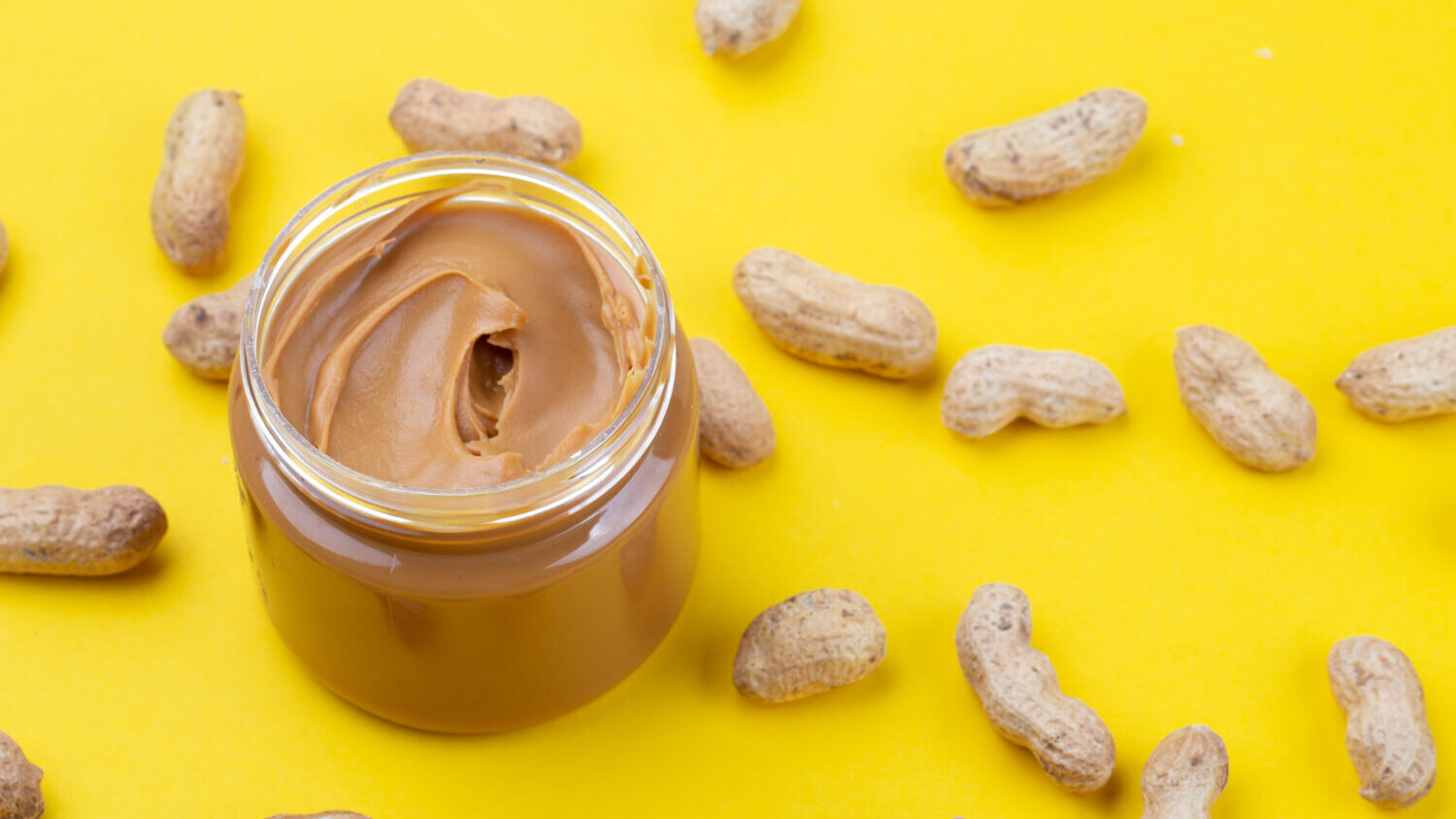
Although peanut butter is calorie-dense, its combination of protein and dietary fiber delivers a strong sense of fullness in small portions. Furthermore, the majority of fat in peanuts consists of heart-healthy unsaturated fats. To avoid unnecessary calories, it is best to opt for unsweetened products and limit consumption to one or two tablespoons per serving.
Dark Chocolate to Tame Sweet Cravings
Dark chocolate features a higher cocoa content and substantially less sugar than conventional chocolate. Enjoying a small piece when sugar cravings strike can satisfy a sweet tooth without undermining a diet. Nevertheless, because dark chocolate remains high in fat and calories, moderation is key.