


Reducing the number of radiation therapy sessions intended to prevent prostate cancer recurrence by about 20 percent does not weaken treatment efficacy, according to a new study. Experts note that adopting this fewer-session approach could cut National Health Insurance costs by at least 5 billion won per year.
A joint research team from Asan Medical Center and Samsung Medical Center announced on the 12th that it confirmed the efficacy of this approach in 316 prostate cancer patients who experienced "biochemical recurrence" following surgery.
Understanding Biochemical Recurrence
Many prostate cancer patients show elevated levels of proteolytic enzymes in prostate cells, which clinicians monitor using the prostate-specific antigen (PSA) test.
The primary challenge is that biochemical recurrence—defined as a rise in PSA levels after the prostate has been surgically removed—is common, affecting roughly one out of every three to four patients within 10 years of surgery.
Left untreated, PSA levels in patients with biochemical recurrence may continue to climb, often progressing to actual clinical recurrence. In such cases, physicians deliver radiation to the surgical site to prevent cancer cells from returning.
For the study, the joint research team enrolled 316 patients with biochemical recurrence, randomly assigning them to either an experimental group or a control group, and followed them for approximately five years.
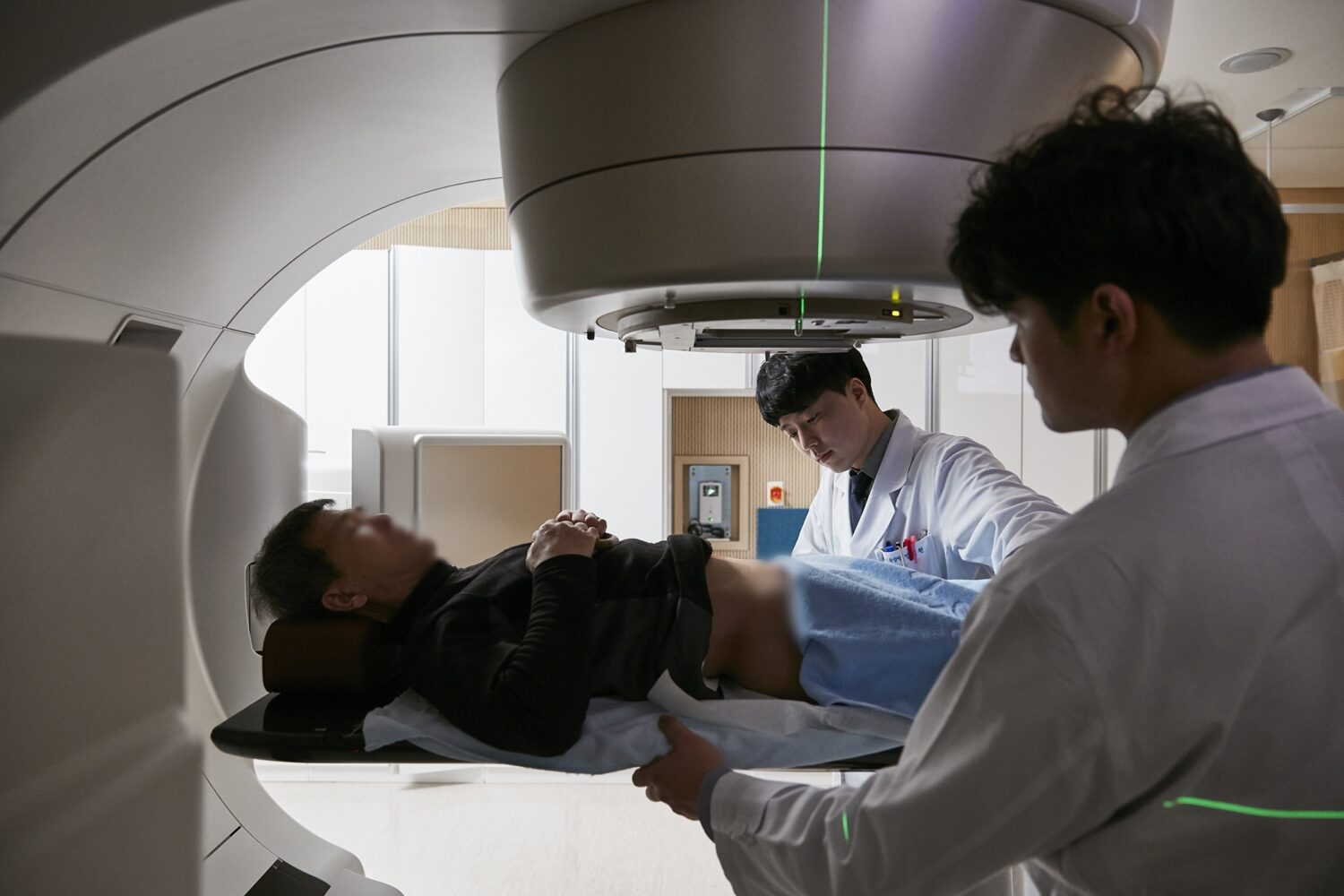
Patients in the control group received conventional radiation therapy consisting of 33 sessions at 2 gray (Gy)—a standard unit of radiation dose—per session. Patients in the experimental group received "hypofractionated radiation therapy," which increased the per-session dose to 2.5 Gy while reducing the total number of sessions to 26.
Equal Efficacy and Comparable Quality of Life
Follow-up results revealed no meaningful difference in treatment effectiveness between the two approaches.
The proportion of patients whose PSA levels did not rise again and who survived for at least four years was 80.1 percent in the experimental group and 78.1 percent in the control group. Similarly, the proportion of patients who survived without the cancer spreading to other organs beyond the radiation-treated area was 91.7 percent in the experimental group compared to 91 percent in the conventional treatment group.
No patients in either group died of prostate cancer within the four-year follow-up period.
While the incidence of temporary gastrointestinal side effects, such as rectal bleeding, was slightly higher in the experimental group, no severe side effects occurred, and all patients had fully recovered by the final follow-up. Patient-reported quality of life, evaluated through standardized questionnaires, also showed no significant difference between the two treatment groups.
Because prostate cancer is the most common cancer among South Korean male patients, the research team emphasized that reducing the number of treatment sessions provides a valuable option that eases the burden of frequent hospital visits. With more than 8,000 prostatectomies performed annually in South Korea, widespread adoption of hypofractionated radiation therapy is projected to save over 5 billion won annually in National Health Insurance finances.
"Prostate cancer patients who experience biochemical recurrence face not only anxiety about relapse but also the heavy burden of having to visit the hospital repeatedly for treatment," said Kim Young-seok, a professor in the Department of Radiation Oncology at Asan Medical Center who participated in the study. "Through this study, we confirmed that even if the number of treatment sessions is reduced, patients can maintain cancer control and quality of life similar to conventional treatment."
However, Professor Kim added, "Because some gastrointestinal side effects occurred more frequently with hypofractionated radiation therapy, it will be important to apply methods that can protect the rectum as well."
The findings were published in the Journal of Clinical Oncology, the official journal of the American Society of Clinical Oncology.