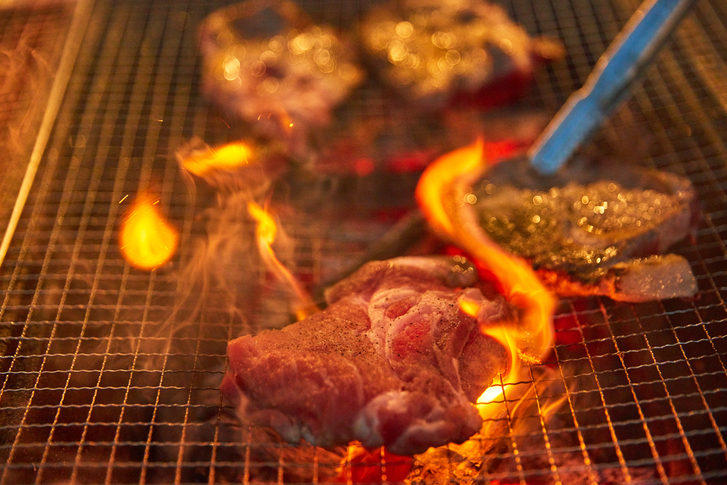
IGF-1(Insulin-like Growth Factor-1,胰岛素样生长因子-1)是人体内正常存在的一种激素,能够促进骨骼、肌肉、神经等各类细胞的生长,对儿童生长发育起重要作用。该激素会随着年龄增长而逐渐下降;为了维持健康体态,保持适当的IGF-1浓度更为理想[1]。
当蛋白质进入体内后,会促进肝脏生成IGF-1[3]。这相当于向身体发出信号:既然用于构建细胞的材料已经到位,就开始进行细胞生长的「工程」。
在儿童或青少年等生长发育阶段,细胞生长必不可少;但对已经发育成熟的成年人而言,与其强调细胞生长,更需要的是细胞的维持与修复,因此只要达到维持与修复所需的蛋白质量即可,并不需要那么多蛋白质。尽管如此,如果蛋白质摄入过量,肝脏就会产生更多IGF-1;而更高水平的IGF-1不仅会促进正常细胞生长,也会推动异常细胞的生长。运气不好时,其中可能就包含癌细胞[4]。
曾经帮助生长的IGF-1,为何会站到癌细胞一边
因此,IGF-1是一把「双刃剑」。适量的IGF-1有助于正常细胞生长并修复受损细胞,但高浓度IGF-1会帮助癌细胞增殖[2]。
蛋白质的「种类」很重要。蛋白质大体可分为动物性蛋白与植物性蛋白。此处的IGF-1水平并非与蛋白质总量成正比,而是与动物性蛋白摄入量成正比;与植物性蛋白无关[5]。
动物性蛋白之所以会促进IGF-1分泌,是因为其氨基酸组成比例与人体更为相似。我们通常会把动物性蛋白视为「优质」蛋白,但从癌症发生的角度看,讽刺的是,越「优质」的蛋白反而可能越容易促成癌症发生。
为什么动物性蛋白比植物性蛋白更容易升高IGF-1
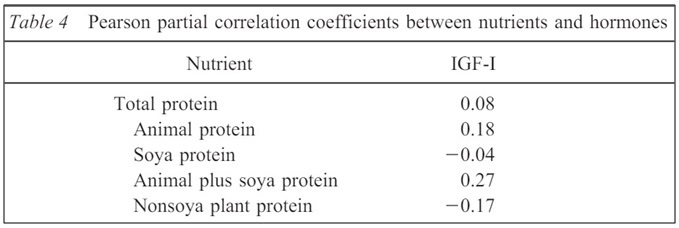
对292名成年女性按饮食习惯调查其血中IGF-1水平的结果显示:动物性蛋白会升高IGF-1水平,而植物性蛋白反而会降低IGF-1水平(见下图)[6]。因此,与肉食者相比,素食者的IGF-1水平更低,癌症发生受到抑制[7]。
前列腺癌与IGF-1浓度密切相关。让前列腺癌患者进行11天素食后,IGF-1水平下降了20%,癌细胞生长停止[8]。
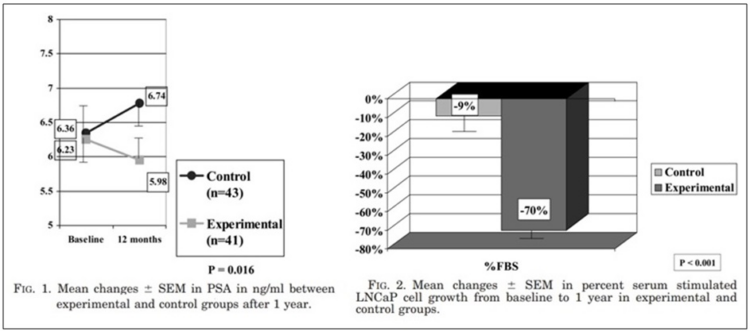
因以素食逆转美国前总统克林顿的心脏病而闻名的主治医生——迪恩·奥尼什(Dean Ornish)教授,将93名前列腺癌患者分为两组(素食组44人、对照组49人),随访1年并观察PSA(prostate specific antigen,前列腺特异性抗原)水平及在显微镜下的癌细胞增殖情况。结果显示,素食组的PSA水平与癌细胞增殖均显著下降(Fig. 1 & Fig. 2)[9]。
医学上有一个术语叫「凋亡」(apoptosis)。正常细胞在寿命终结时会自行死亡,这一现象即为凋亡。它也被称为「细胞自杀」或「程序性细胞死亡」(programmed cell death),是机体通过让衰老细胞或遗传物质受损细胞自我死亡,从而维持人体健康的一种机制。
但较高的IGF-1浓度会干扰这一过程,使本应死亡的细胞不死反而持续生长[10, 11]。这就会形成肿瘤并发展为癌症。
素食真的会让癌细胞生长发生变化吗
相反,也有令人惊讶的报告称:让乳腺癌患者进行素食,仅2周后癌细胞凋亡(apoptosis)增加了20~30%[12]。这是由于IGF-1浓度下降所带来的变化。
肉食越多,癌症发生风险越高。美国南加州大学对约6000名50~65岁人群按蛋白质摄入程度分为3组(蛋白质占每日总热量≥20%为高蛋白组,10~19%为中蛋白组,<10%为低蛋白组),并随访约18年的大型研究显示:与低蛋白组相比,高蛋白组死于癌症的概率高4倍;中蛋白组高3倍[13]。
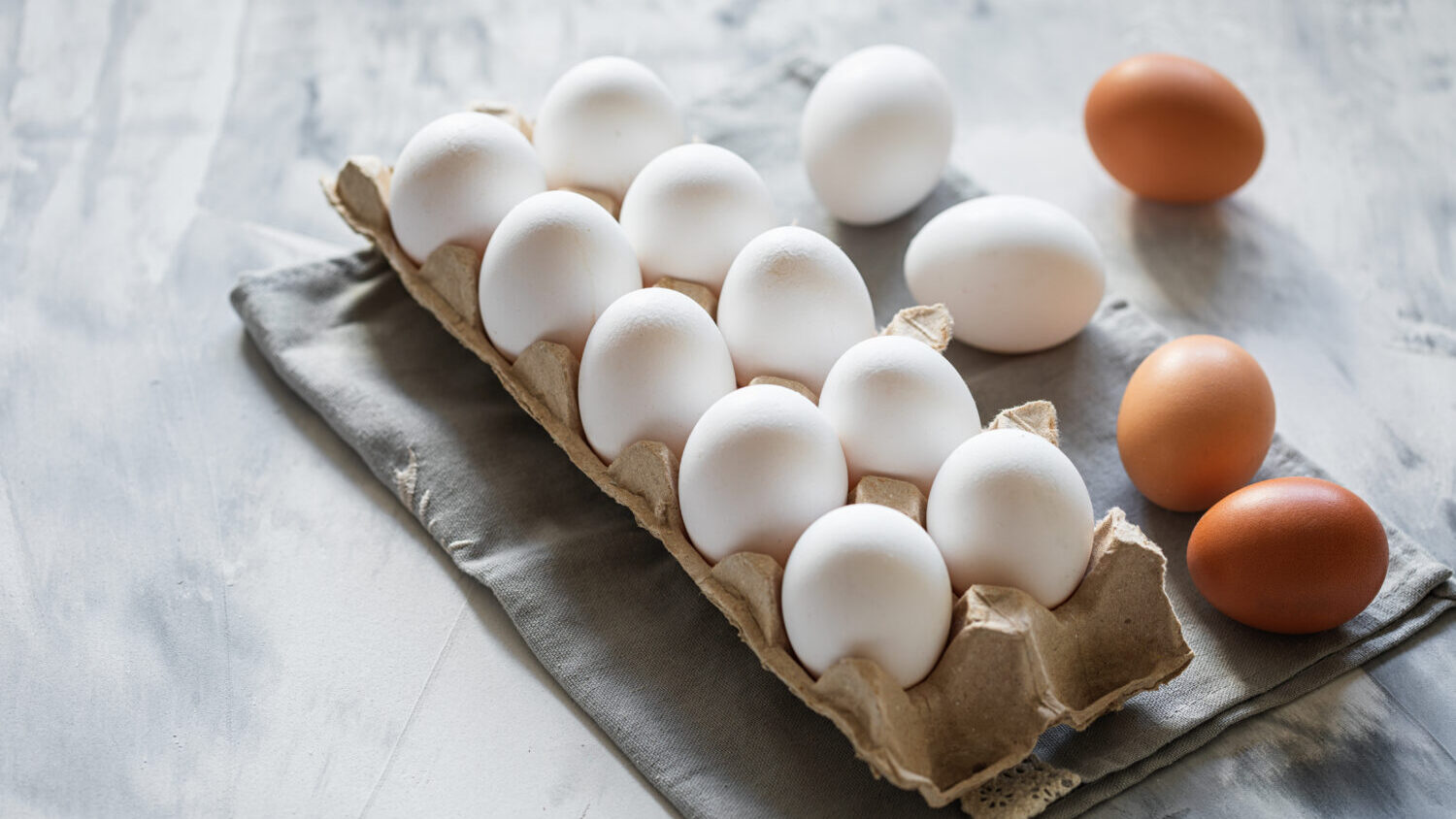
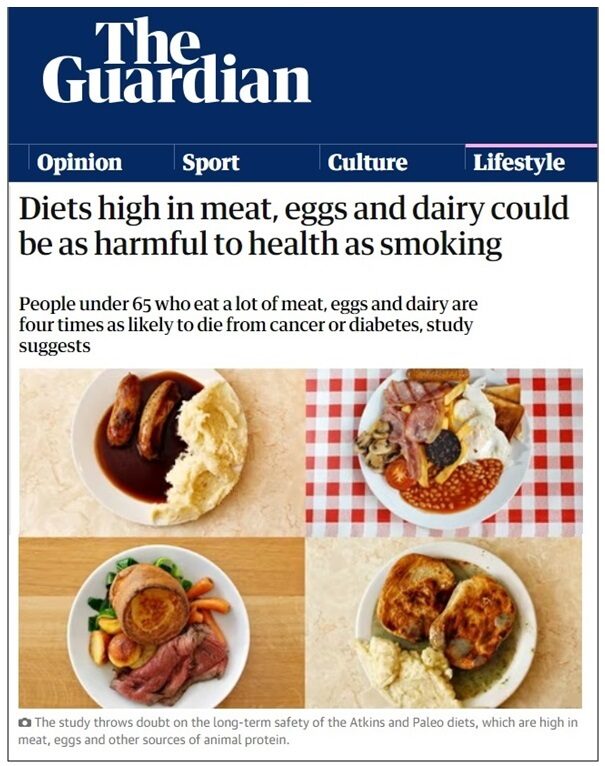
该论文发表后,在全球肉类消费量最高的美国引发巨大震动。Fox News、CBS News等媒体纷纷以醒目标题报道:美国人日常常吃的汉堡、热狗、培根、鸡蛋、肉类、鸡肉、牛奶、奶酪等高蛋白食物,若摄入过多,会像每天抽一包烟一样,提高死于癌症的概率(见下文报道)[14, 15]。
研究团队指出,癌症死亡率差异的原因在于:蛋白质摄入量越高,IGF-1越会升高;而蛋白质摄入占比为9~10%的人群在癌症风险方面相对安全。这相当于蛋白质每日推荐摄入量(RDA)——每公斤体重0.8g。以体重60kg为例,每日蛋白质约48g[16]。
南加州大学长寿中心的瓦尔特·隆戈(Valter Longo)教授表示:「应避免每日蛋白质摄入超过每公斤体重0.8g;如果可能,尽量以植物性蛋白为主,这是预防癌症的最佳选择。」[17]
顺带一提,我们常吃的半只烤全鸡约含蛋白质40g,一块鸡胸肉(100g)约含蛋白质23g,因此很容易出现动物性蛋白摄入过量[18, 19]。而糙米每100g含蛋白质9g,大豆每100g含蛋白质38g,半块豆腐(150g)含蛋白质14g,说明通过素食也能摄入足够的蛋白质[20]。
结直肠癌、前列腺癌、乳腺癌患者不断增加的原因是
与动物性蛋白摄入过量导致IGF-1升高密切相关的癌种包括结直肠癌、前列腺癌、乳腺癌[21, 22, 23]。
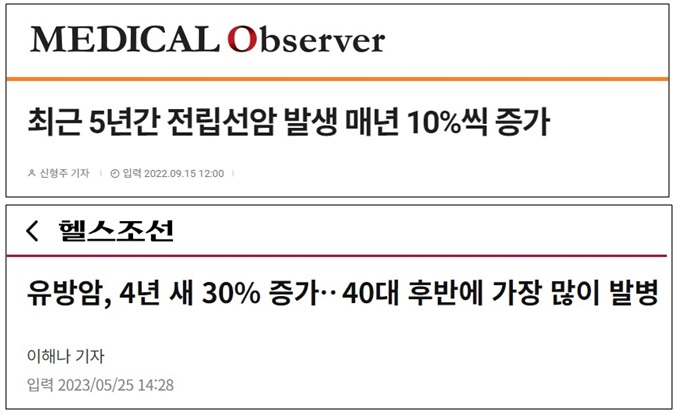
尤其在韩国,近年来不仅结直肠癌,前列腺癌与乳腺癌也在快速增加。这些癌症被认为与西化饮食习惯密切相关(见下方新闻)[24, 25]。偏好吃肉的饮食方式会提高多种癌症发生风险。
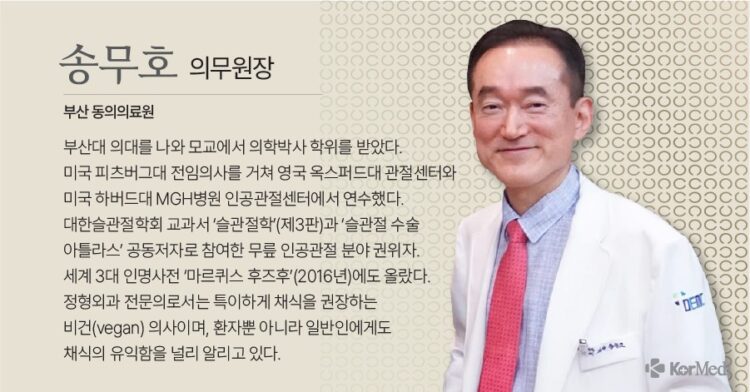
宋武浩 医学博士,骨科·生活方式医学专科医生
参考文献
1. D Le Roith. Insulin-like growth factors. New England Journal of Medicine 1997;336(9):633-640.
2. AH Nwabo Kamdje, PF Seke Etet, MJ Kipanyula, et al. Insulin-like growth factor-1 signaling in the tumor microenvironment: Carcinogenesis, cancer drug resistance, and therapeutic potential. Front Endocrinol (Lausanne) 2022;13:927390.
3. JM Ketelslegers, D Maiter, M Maes, et al. Nutritional regulation of insulin-like growth factor-I. Metabolism 1995;44:50-57.
4. DL Kleinberg, TL Wood, PA Furth, AV Lee. Growth hormone and insulin-like growth factor-I in the transition from normal mammary development to preneoplastic mammary lesions. Endocrine reviews 2009;30(1):51-74.
5. NE Allen, PN Appleby, GK Davey, et al. The associations of diet with serum insulin-like growth factor I and its main binding proteins in 292 women meat-eaters, vegetarians, and vegans. Cancer Epidemiology Biomarkers & Prevention 2002;11(11):1441-1448.
6. NE Allen, PN Appleby, GK Davey, et al. The associations of diet with serum insulin-like growth factor I and its main binding proteins in 292 women meat-eaters, vegetarians, and vegans. Cancer Epidemiology Biomarkers & Prevention 2002;11(11):1441-1448.
7. NE Allen, PN Appleby, GK Davey, TJ Key. Hormones and diet: low insulin-like growth factor-I but normal bioavailable androgens in vegan men. British Journal of Cancer 2000; 83(1):95-97.
8. TH Ngo, RJ Barnard, CN Tymchuk, et al. Effect of diet and exercise on serum insulin, IGF-I, and IGFBP-1 levels and growth of LNCaP cells in vitro (United States). Cancer Causes & Control 2002;13:929-935.
9. D Ornish, G Weidner, WR Fair, et al. Intensive lifestyle changes may affect the progression of prostate cancer. The Journal of urology 2005;174(3):1065-1070.
10. M Resnicoff, D Abraham, W Yutanawiboonchai, et al. The insulin-like growth factor I receptor protects tumor cells from apoptosis in vivo. Cancer Res 1995;55:2463–2469.
11. M Párrizas, AR Saltiel, D LeRoith. Insulin-like growth factor 1 inhibits apoptosis using the phosphatidylinositol 3’-kinase and mitogen-activated protein kinase pathways. J Biol Chem 1997;272:154–16.
12. RJ Barnard, JH Gonzalez, ME Liva, TH Ngo. Effects of a low-fat, high-fiber diet and exercise program on breast cancer risk factors in vivo and tumor cell growth and apoptosis in vitro. Nutrition and cancer 2006;55(1):28-34.
13. ME Levine, JA Suarez, S Brandhorst, et al. Low protein intake is associated with a major reduction in IGF-1, cancer, and overall mortality in the 65 and younger but not older population. Cell metabolism 2014;19(3):407-417.
14. Fox news https://www.foxnews.com/health/eating-large-amounts-of-meat-cheese-may-be-as-deadly-as-smoking-study-shows
15. CBS News https://www.cbsnews.com/news/meat-dairy-may-be-as-detrimental-to-your-health-as-smoking-cigarettes/
16. Institute of Medicine. Dietary Reference Intakes for Energy, Carbohydrate, Fiber, Fat, Fatty Acids, Cholesterol, Protein, and Amino Acids; National Academies Press: Washington, DC, USA, 2005.
17. The Guardian https://www.theguardian.com/science/2014/mar/04/animal-protein-diets-smoking-meat-eggs-dairy
18. Fatsecret https://www.fatsecret.kr/%EC%B9%BC%EB%A1%9C%EB%A6%AC-%EC%98%81%EC%96%91%EC%86%8C/%EC%9D%BC%EB%B0%98%EB%AA%85/%EC%A7%81%ED%99%94%EA%B5%AC%EC%9D%B4-%EB%98%90%EB%8A%94-%EC%9D%BC%EB%B0%98%EA%B5%AC%EC%9D%B4-%EB%8B%AD%EA%B3%A0%EA%B8%B0
19. Fatsecret https://www.fatsecret.kr/%EC%B9%BC%EB%A1%9C%EB%A6%AC-%EC%98%81%EC%96%91%EC%86%8C/search?q=%EB%8B%AD%EA%B0%80%EC%8A%B4%EC%82%B4
20. 国家标准食品成分表 https://koreanfood.rda.go.kr/kfi/fct/fctFoodSrch/list?menuId=PS03563#
21. N Murphy, R Carreras-Torres, M Song, et al. Circulating levels of insulin-like growth factor 1 and insulin-like growth factor binding protein 3 associate with risk of colorectal cancer based on serologic and mendelian randomization analyses. Gastroenterology 2020;158(5):1300-1312.
22. P Anastassios , A Athanasios , K Michael. Evidence for the Possible Biological Significance of the igf-1 Gene Alternative Splicing in Prostate Cancer. Frontiers in Endocrinology 2013;4:DOI=10.3389/fendo.2013.00031.
23. R Kaaks, T Johnson, K Tikk, et al. Insulin‐like growth factor I and risk of breast cancer by age and hormone receptor status‐A prospective study within the EPIC cohort. Int J Cancer 2014;134:2683–2690.
24. Medical Observer http://www.monews.co.kr/news/articleView.html?idxno=315469
25. Health Chosun https://m.health.chosun.com/svc/news_view.html?contid=2023052501734