Insulin-like growth factor 1 (IGF-1) is a hormone that promotes the growth of every cell in the human body—from bones and muscles to nerves. While it is essential during childhood, its levels naturally decrease with age. For adults, maintaining IGF-1 at an appropriate level is a critical factor for long-term health [1].
When we consume protein, the liver is stimulated to produce IGF-1 [3]. Essentially, it acts as a biological signal: “The raw materials for construction have arrived; start building cells.”
IGF-1: The Double-Edged Sword of Cell Growth
During adolescence, rapid cell growth is necessary. However, for fully grown adults, protein is primarily needed for maintenance and repair, not expansion. When protein is consumed in excess, the liver overproduces IGF-1. These high levels promote the growth of not just healthy tissue, but abnormal cells as well—including cancer [4].
This makes IGF-1 a "double-edged sword" [2]. While it supports tissue repair at normal levels, high concentrations can cause cancer cells to proliferate.
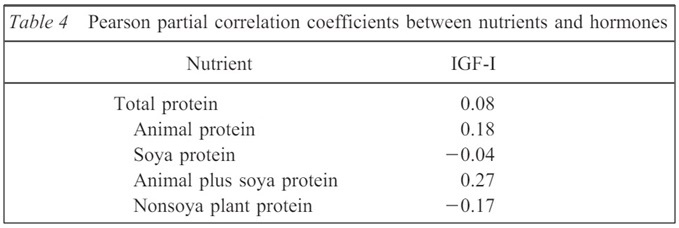
The source of the protein is the deciding factor. Research shows that IGF-1 levels are not proportional to total protein intake, but specifically to animal protein intake. Notably, plant protein consumption shows no such association [5].
Ironically, the reason animal protein is often labeled "high-quality"—its amino acid profile closely mimics the human body—is the same reason it triggers such a strong IGF-1 response, potentially facilitating cancer development.
Plant Protein vs. Animal Protein: What the Data Shows
A study of 292 women found that while animal protein raised blood IGF-1 levels, plant protein actually lowered them [6]. Consequently, vegetarians tend to have lower IGF-1 concentrations, which may suppress tumor growth [7].
The impact on specific cancers is striking:
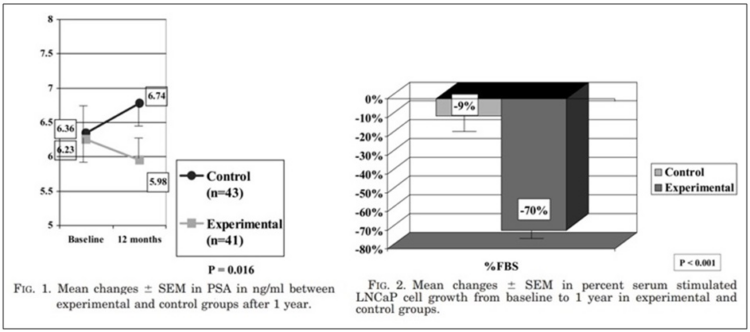
Prostate Cancer: In one study, prostate cancer patients who followed a vegetarian diet for just 11 days saw a 20% drop in IGF-1 levels, at which point cancer cell growth stopped [8].
The Ornish Study: Professor Dean Ornish tracked 93 prostate cancer patients for a year. The group on a plant-based diet showed a marked decrease in PSA (prostate-specific antigen) levels and microscopic cancer cell proliferation compared to the control group [9].
The Mechanism of "Cell Suicide" (Apoptosis)
Healthy cells are programmed to self-destruct at the end of their lifespan—a process called apoptosis. This "cell suicide" ensures that damaged or aged cells do not linger. However, high IGF-1 concentrations interfere with this mechanism, allowing cells that should die to continue growing [10, 11]. This is how tumors form and progress.
In breast cancer patients, switching to a vegetarian diet was shown to increase apoptosis by 20–30% in just two weeks as IGF-1 levels dropped [12].
High Protein Intake and Mortality Risk
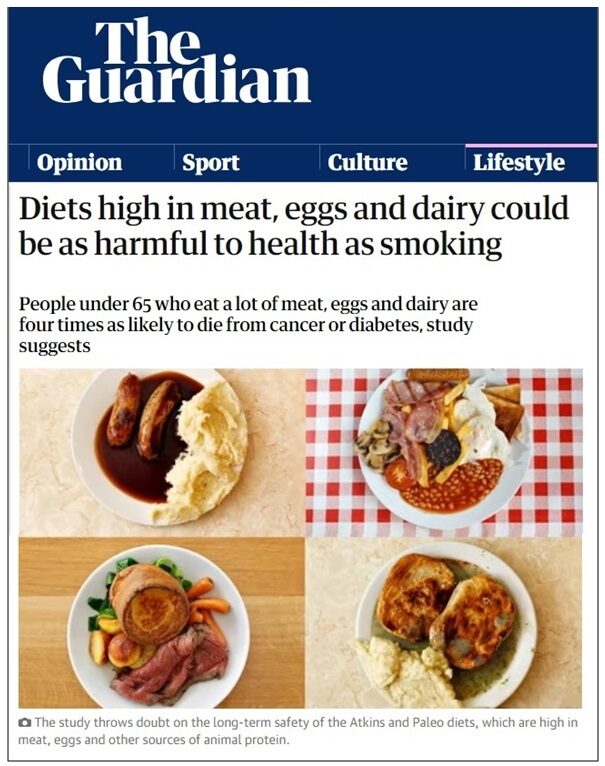
A large-scale study by the University of Southern California (USC) followed 6,000 people aged 50–65 over 18 years. The results were sobering: participants in the high-protein group (where protein accounted for 20% or more of daily calories) were four times more likely to die of cancer than those in the low-protein group [13].
When this study was published, U.S. media outlets compared the cancer risk of a high-animal-protein diet—heavy in burgers, eggs, and dairy—to smoking a pack of cigarettes a day [14, 15].
How Much Protein Do You Really Need?
The researchers found that the safest group consumed only 9–10% of their calories from protein. This aligns with the Recommended Dietary Allowance (RDA) of 0.8 g of protein per kg of body weight. For a 60 kg adult, that is 48 g of protein per day [16].
Professor Valter Longo of the USC Longevity Institute suggests that for cancer prevention, it is best to stay within this limit and prioritize plant sources [17]. To put this in perspective:
Animal Sources: Half a rotisserie chicken provides about 40 g of protein; one 100 g chicken breast provides 23 g [18, 19].
Plant Sources: Beans contain 38 g of protein per 100 g, and half a block of tofu (150 g) provides 14 g [20].
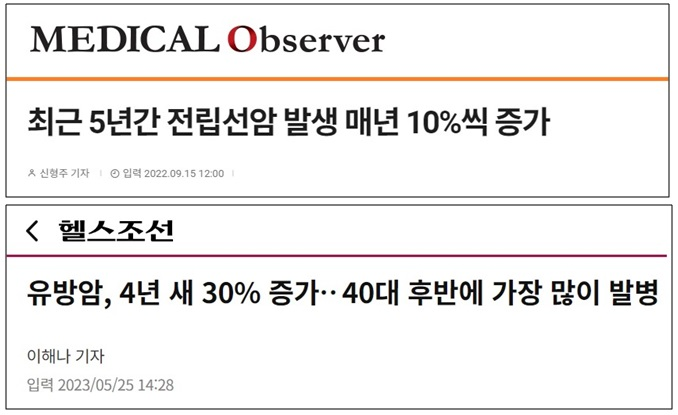
In South Korea, cases of colorectal, prostate, and breast cancer are rising rapidly—cancers all closely associated with Westernized, meat-centered diets [21–25]. Reducing animal protein may be the most effective "prescription" for lowering the risk of these modern diseases.
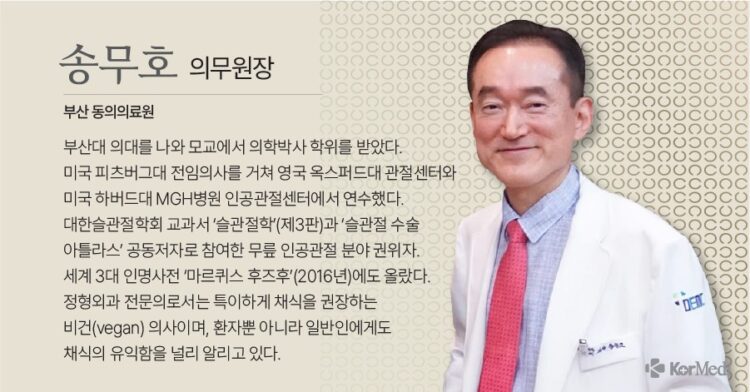
Song Moo-ho, MD, PhD, Orthopedic Surgeon and Lifestyle Medicine Specialist
References
1. D Le Roith. Insulin-like growth factors. New England Journal of Medicine 1997;336(9):633-640.
2. AH Nwabo Kamdje, PF Seke Etet, MJ Kipanyula, et al. Insulin-like growth factor-1 signaling in the tumor microenvironment: Carcinogenesis, cancer drug resistance, and therapeutic potential. Front Endocrinol (Lausanne) 2022;13:927390.
3. JM Ketelslegers, D Maiter, M Maes, et al. Nutritional regulation of insulin-like growth factor-I. Metabolism 1995;44:50-57.
4. DL Kleinberg, TL Wood, PA Furth, AV Lee. Growth hormone and insulin-like growth factor-I in the transition from normal mammary development to preneoplastic mammary lesions. Endocrine reviews 2009;30(1):51-74.
5. NE Allen, PN Appleby, GK Davey, et al. The associations of diet with serum insulin-like growth factor I and its main binding proteins in 292 women meat-eaters, vegetarians, and vegans. Cancer Epidemiology Biomarkers & Prevention 2002;11(11):1441-1448.
6. NE Allen, PN Appleby, GK Davey, et al. The associations of diet with serum insulin-like growth factor I and its main binding proteins in 292 women meat-eaters, vegetarians, and vegans. Cancer Epidemiology Biomarkers & Prevention 2002;11(11):1441-1448.
7. NE Allen, PN Appleby, GK Davey, TJ Key. Hormones and diet: low insulin-like growth factor-I but normal bioavailable androgens in vegan men. British Journal of Cancer 2000; 83(1):95-97.
8. TH Ngo, RJ Barnard, CN Tymchuk, et al. Effect of diet and exercise on serum insulin, IGF-I, and IGFBP-1 levels and growth of LNCaP cells in vitro (United States). Cancer Causes & Control 2002;13:929-935.
9. D Ornish, G Weidner, WR Fair, et al. Intensive lifestyle changes may affect the progression of prostate cancer. The Journal of urology 2005;174(3):1065-1070.
10. M Resnicoff, D Abraham, W Yutanawiboonchai, et al. The insulin-like growth factor I receptor protects tumor cells from apoptosis in vivo. Cancer Res 1995;55:2463–2469.
11. M Párrizas, AR Saltiel, D LeRoith. Insulin-like growth factor 1 inhibits apoptosis using the phosphatidylinositol 3’-kinase and mitogen-activated protein kinase pathways. J Biol Chem 1997;272:154–16.
12. RJ Barnard, JH Gonzalez, ME Liva, TH Ngo. Effects of a low-fat, high-fiber diet and exercise program on breast cancer risk factors in vivo and tumor cell growth and apoptosis in vitro. Nutrition and cancer 2006;55(1):28-34.
13. ME Levine, JA Suarez, S Brandhorst, et al. Low protein intake is associated with a major reduction in IGF-1, cancer, and overall mortality in the 65 and younger but not older population. Cell metabolism 2014;19(3):407-417.
14. Fox news https://www.foxnews.com/health/eating-large-amounts-of-meat-cheese-may-be-as-deadly-as-smoking-study-shows
15. CBS News https://www.cbsnews.com/news/meat-dairy-may-be-as-detrimental-to-your-health-as-smoking-cigarettes/
16. Institute of Medicine. Dietary Reference Intakes for Energy, Carbohydrate, Fiber, Fat, Fatty Acids, Cholesterol, Protein, and Amino Acids; National Academies Press: Washington, DC, USA, 2005.
17. The Guardian https://www.theguardian.com/science/2014/mar/04/animal-protein-diets-smoking-meat-eggs-dairy
18. Fatsecret https://www.fatsecret.kr/%EC%B9%BC%EB%A1%9C%EB%A6%AC-%EC%98%81%EC%96%91%EC%86%8C/%EC%9D%BC%EB%B0%98%EB%AA%85/%EC%A7%81%ED%99%94%EA%B5%AC%EC%9D%B4-%EB%98%90%EB%8A%94-%EC%9D%BC%EB%B0%98%EA%B5%AC%EC%9D%B4-%EB%8B%AD%EA%B3%A0%EA%B8%B0
19. Fatsecret https://www.fatsecret.kr/%EC%B9%BC%EB%A1%9C%EB%A6%AC-%EC%98%81%EC%96%91%EC%86%8C/search?q=%EB%8B%AD%EA%B0%80%EC%8A%B4%EC%82%B4
20. National Standard Food Composition Table https://koreanfood.rda.go.kr/kfi/fct/fctFoodSrch/list?menuId=PS03563#
21. N Murphy, R Carreras-Torres, M Song, et al. Circulating levels of insulin-like growth factor 1 and insulin-like growth factor binding protein 3 associate with risk of colorectal cancer based on serologic and mendelian randomization analyses. Gastroenterology 2020;158(5):1300-1312.
22. P Anastassios , A Athanasios , K Michael. Evidence for the Possible Biological Significance of the igf-1 Gene Alternative Splicing in Prostate Cancer. Frontiers in Endocrinology 2013;4:DOI=10.3389/fendo.2013.00031.
23. R Kaaks, T Johnson, K Tikk, et al. Insulin‐like growth factor I and risk of breast cancer by age and hormone receptor status‐A prospective study within the EPIC cohort. Int J Cancer 2014;134:2683–2690.
24. Medical Observer http://www.monews.co.kr/news/articleView.html?idxno=315469
25. Health Chosun https://m.health.chosun.com/svc/news_view.html?contid=2023052501734