Many people exercise on an empty stomach in hopes of accelerating weight loss. However, pushing through an intense workout while hungry can lead to premature fatigue and diminished physical performance. What you consume prior to exercise is equally critical to maximizing your workout efficiency.
Before working out, consuming an appropriate balance of easily digestible carbohydrates for energy and protein for muscle preservation is recommended. Light options like a banana with a boiled egg, or a handful of nuts with dried fruit, serve as practical pre-workout options.
While optimal timing varies based on meal size and exercise intensity, consuming a moderate, digestible snack one to three hours prior to training prevents energy shortfalls. Conversely, certain foods can trigger gastrointestinal distress or introduce unnecessary calories. Here are eight foods to exercise caution with before training.
Soda: Sugary sodas are poor choices for pre-workout hydration. In addition to delivering excess refined sugar, carbonation frequently causes abdominal bloating and belching that disrupt exercise comfort. Furthermore, caffeinated soft drinks can elevate heart rate or interfere with sleep quality depending on consumption levels. Plain water remains the optimal choice for pre-exercise hydration.
Protein Bars: While protein bars offer a convenient, portable protein source, many commercial varieties are densely packed with added sugars, saturated fats, and high calorie counts. Bars containing high amounts of dietary fiber or sugar alcohols (such as sorbitol or erythritol) can also induce gas, bloating, or diarrhea. Rather than focusing solely on protein content, evaluate total calories, sugar, fat, and artificial ingredients, opting for easily digestible options before physical activity.
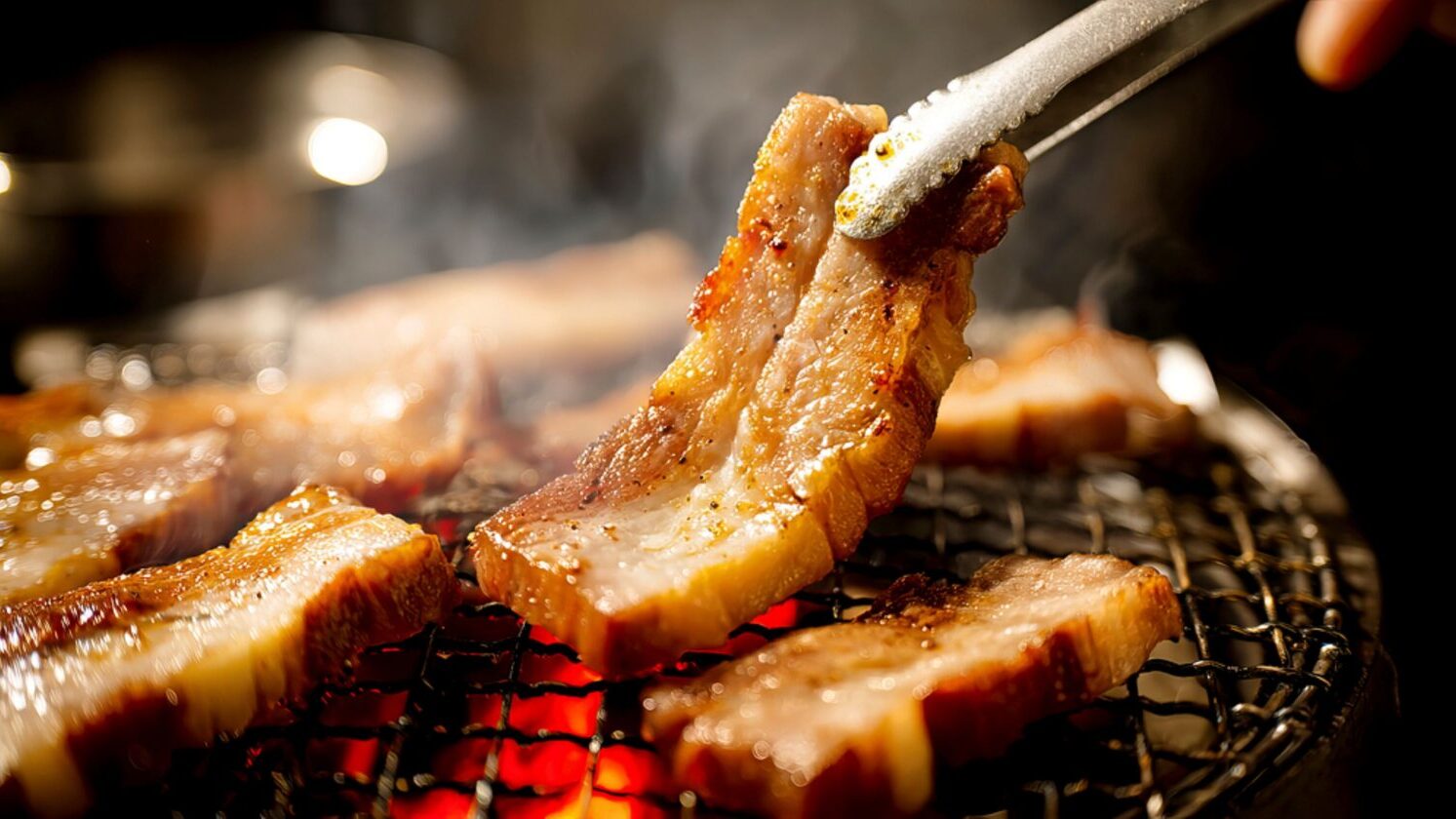
High-Fat Foods: Greasy items like fried foods and fatty cuts of meat require extended digestion times. Consuming high-fat meals shortly before exercise leaves food sitting in the stomach, leading to bloating, cramping, or nausea—discomfort that becomes particularly pronounced during high-impact activities like running or high-intensity interval training (HIIT). If consuming meat prior to training, choose lean cuts and allow ample time for digestion.
High-Fiber Vegetables: While dietary fiber in vegetables is crucial for gut health and regular bowel movements, consuming large quantities immediately before a workout strains the digestive system. Cruciferous vegetables such as broccoli, Brussels sprouts, and cauliflower frequently trigger intestinal gas and bloating. Save fiber-rich vegetables for post-workout meals, choosing small portions of well-cooked, easily digestible alternatives beforehand.
Energy Drinks: Energy beverages often combine high doses of caffeine with refined sugars. While caffeine can enhance athletic endurance in appropriate amounts, excessive intake can provoke tachycardia (a racing heart), anxiety, hand tremors, elevated blood pressure, or sleep disturbances—presenting risks for caffeine-sensitive individuals or those with underlying cardiovascular conditions. Prioritizing adequate sleep and hydration yields far greater workout benefits than relying on energy drinks.
Yogurt: Although yogurt supplies valuable protein and calcium, fruit-flavored and sweetened varieties frequently contain excessive sugar and fat. Individuals with lactose sensitivity may also experience gas, abdominal bloating, or diarrhea. When selecting pre-workout yogurt, opt for unsweetened plain varieties or high-protein Greek yogurt, allowing sufficient digestion time prior to training.
Smoothies: Blended fruit and vegetable smoothies provide a convenient nutrient boost, but their caloric and sugar density varies widely depending on ingredients and portion sizes. Adding multiple fruit varieties alongside nut butter, syrups, or honey rapidly escalates overall calories. Consuming large liquid volumes before exercise can cause gastric fullness and discomfort, making portion control essential.
Fast Food: Fast food staples like cheeseburgers, french fries, and fried chicken are heavily loaded with fat and sodium. Consuming heavy fast food immediately before exercise severely slows gastric emptying, triggering nausea, lethargy, and bloating. For an effective pre-workout meal, prioritize lean proteins paired with moderate, unrefined carbohydrates while strictly avoiding greasy, overprocessed options.