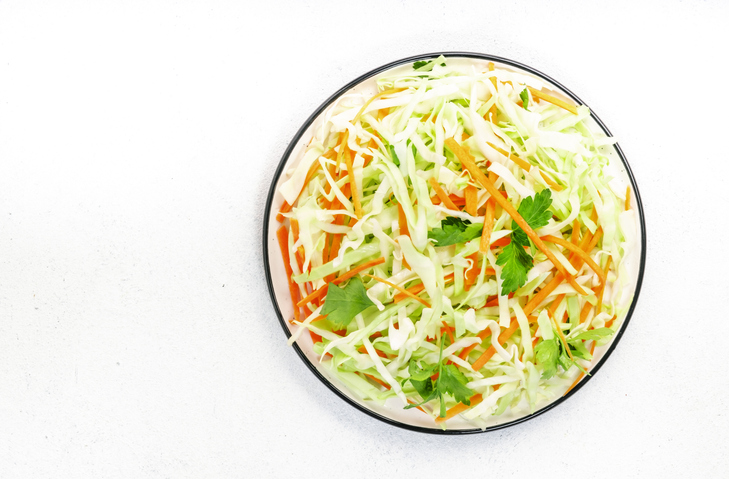
Cabbage planted during the summer reaches its harvest peak in autumn, delivering optimal flavor and nutritional density. In season, cabbage can be tossed into fresh salads, wrapped with savory fillings, or incorporated into stir-fries, braised dishes, steamed meals, kimchi, pickles, and pancakes. Crucially, pairing cabbage with foods like eggs or pork creates a powerful nutritional synergy, with each ingredient supplying key nutrients the other lacks.
Vitamin U in Cabbage Enhances Protein Absorption and Liver Health
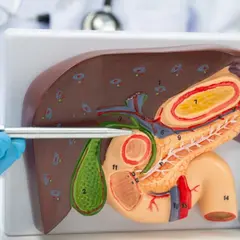
Cabbage is widely recognized for its high concentration of vitamin U (S-methylmethionine), a nutrient famed for protecting the gastric mucosa and promoting stomach health. However, vitamin U also plays a critical metabolic role by aiding the digestion, absorption, and transport of proteins and fats from other foods. Once absorbed by the liver, vitamin U assists in hepatic protein synthesis and aids in processing fat accumulations within liver tissue. Consequently, consuming cabbage alongside protein-dense eggs or fatty cuts of pork delivers substantial complementary health benefits.
Eggs and Pork Provide Nutritional Synergy When Paired With Cabbage
One medium egg provides approximately 6 grams of high-quality protein, helping meet daily protein requirements (typically recommended at roughly 1 gram per kilogram of body weight). Pairing raw or lightly cooked cabbage with two eggs effectively compensates for each food's nutritional gaps: cabbage supplies abundant vitamin C, which eggs lack, while eggs provide essential amino acids and protein absent in cabbage. Preparing fried eggs alongside cabbage or combining them in a fresh vegetable salad adds further nutrient diversity, while drizzling healthy unsaturated fats like olive oil enhances nutrient absorption.
Cabbage is also rich in B-complex vitamins and digestive enzymes, making it an ideal companion for pork. Pork serves as an exceptional source of vitamin B1 (thiamine); a deficiency in vitamin B1 allows fatigue-inducing metabolites, such as lactic acid, to accumulate in muscles. Together, cabbage and pork work in tandem to combat physical fatigue. Furthermore, while pork contains higher levels of saturated fat, the active compounds in cabbage assist in fat metabolism, helping counteract excessive lipid accumulation while creating a classically flavorful culinary combination.
Combining Cabbage With Apples, Carrots, and Tomatoes Delivers Full-Spectrum Nutrients
Pairing cabbage with apples, carrots, and cherry tomatoes expands its health profile even further. Apples are loaded with pectin, a soluble dietary fiber that supports gut microbiome health, regulates bowel movements, and aids vascular function. Adding a touch of olive oil to carrots and cherry tomatoes enhances the bioavailability of fat-soluble phytonutrients, increasing the activity of antioxidants like lycopene in tomatoes and beta-carotene in carrots.
Incorporating eggs and a carbohydrate source like potatoes into a raw cabbage salad creates a completely balanced, satisfying meal. Because key bioactive nutrients in cabbage—including heat-sensitive enzymes and vitamin C—degrade under high temperatures, consuming cabbage raw or minimally processed yields the greatest health benefits.