
When we eat, the small intestine absorbs the nutrients our bodies need while the intestinal lining acts as a powerful checkpoint, preventing bacteria, toxins, and undigested food particles from entering the bloodstream.
However, if tiny gaps develop in the intestinal barrier, bacteria and toxins can enter the bloodstream, triggering an immune response. The resulting systemic inflammation can cause "leaky gut syndrome" [1]. This condition is a primary driver of common digestive issues, including gas, diarrhea, constipation, and chronic abdominal discomfort similar to irritable bowel syndrome (IBS).
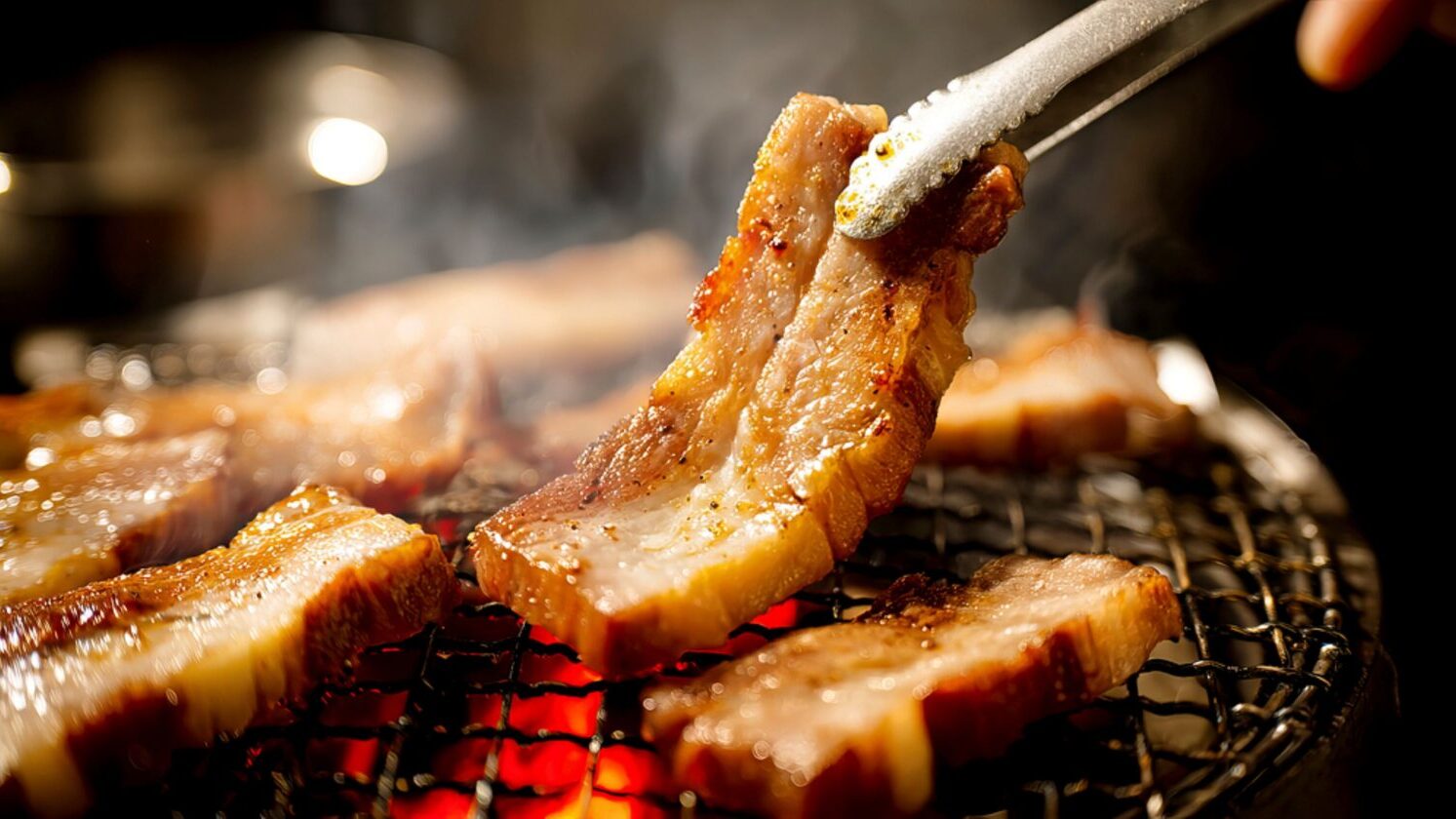
The most frequent trigger for a leaky gut is a Westernized diet rich in fats, animal protein, processed foods, and sugar. When a diet lacks dietary fiber—the primary fuel for beneficial gut bacteria—the production of short-chain fatty acids (SCFAs) drops. Because SCFAs serve as the main energy source for the intestinal barrier, this deficiency weakens the lining and increases gut permeability [2].
How Excessive Fat Weakens the Intestinal Barrier
When dietary fat enters the small intestine, the gallbladder releases bile acids into the duodenum to aid digestion. Under normal conditions, approximately 90% of these bile acids are reabsorbed at the end of the small intestine. However, a high-fat diet causes an overproduction of bile acids that exceeds the intestine's reabsorption capacity. The unabsorbed bile acids travel to the colon, where harmful bacteria such as Bilophila and Alistipes convert them into toxic secondary bile acids that promote inflammation [3].
A high-fat diet typically coincides with low fiber intake, further expanding populations of harmful bacteria while suppressing beneficial ones. Over time, this dietary pattern contributes to metabolic conditions including obesity, hypercholesterolemia, hypertension, diabetes, and fatty liver disease [4].
The type of fat consumed also plays a critical role. Saturated fats—predominant in animal products—increase bile acid secretion and promote the proliferation of bile-metabolizing bacteria, particularly Bilophila wadsworthia. This bacterium generates hydrogen sulfide, a compound that damages the mucosal barrier and exacerbates leaky gut syndrome [5]. High intake of saturated fats, such as those found in dairy products, disrupts microbial balance and damages the intestinal lining, elevating the risk of inflammatory bowel disease (IBD) (see figure below) [6].
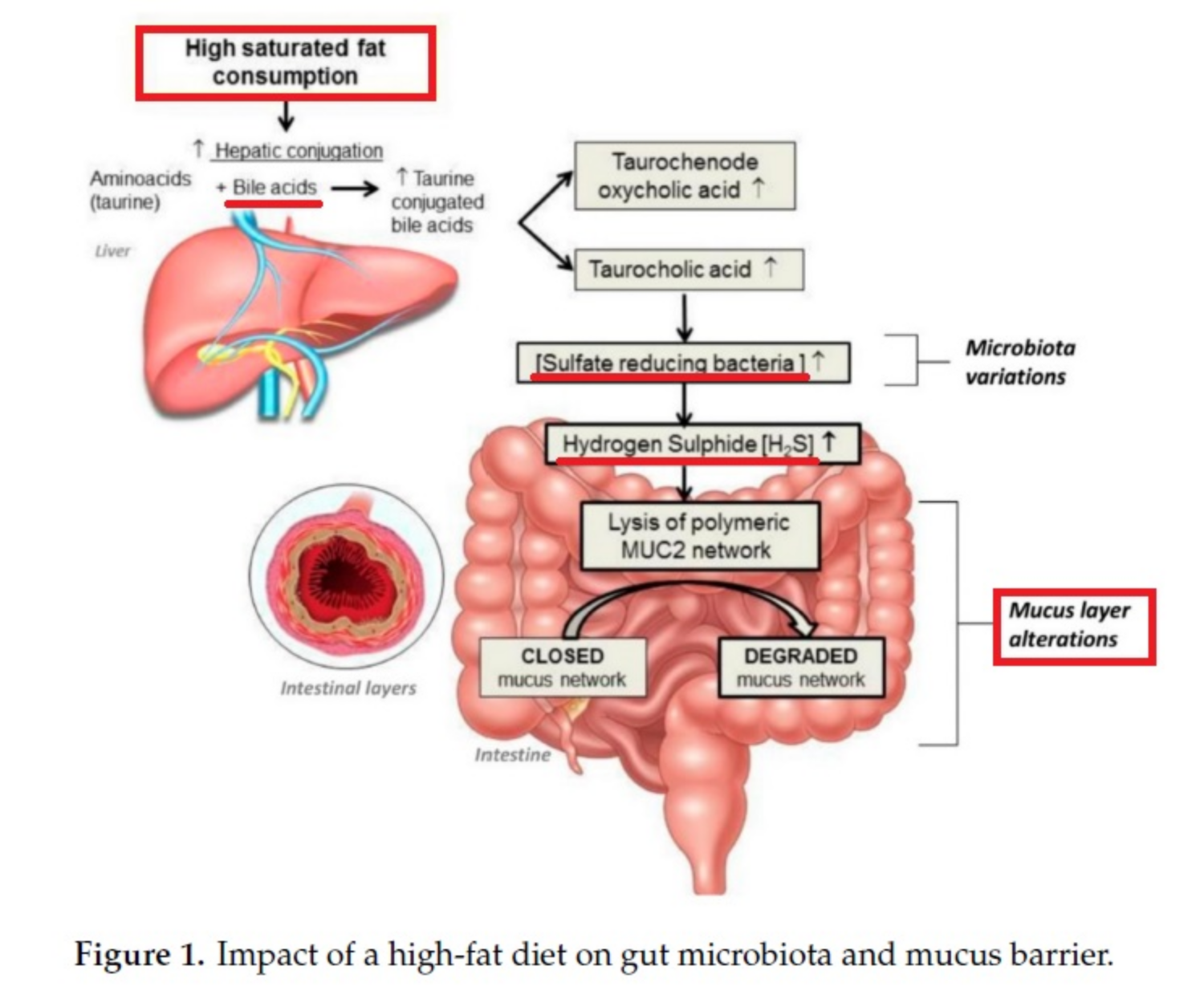
In contrast, plant-derived unsaturated fats—key components of diets like the Mediterranean diet—foster beneficial microbes and boost SCFA production [7, 8]. Selecting plant fats over animal fats helps preserve mucosal integrity [9].
The Impact of Excess Protein and Gut Putrefaction
While adequate protein is vital, excessive protein intake can exceed the digestive capacity of the small intestine, causing unabsorbed protein to enter the colon. High protein intake is generally defined as 1.2–1.6 g/kg/day, while intake exceeding 2.0 g/kg/day is considered excessive.
When unabsorbed protein reaches the colon, harmful bacteria break it down through putrefaction, yielding toxic byproducts such as ammonia and hydrogen sulfide that inflame the intestinal lining. Chronic exposure to these putrefactive substances increases the risk of inflammatory bowel disease and colorectal cancer [10, 11].
Microbial breakdown of food occurs through either fermentation or putrefaction. Fermentation occurs when beneficial bacteria break down carbohydrates and fiber, yielding health-promoting compounds, enhanced flavor, and nutritional value—as seen in foods like kimchi, cheonggukjang, doenjang, natto, bread, beer, makgeolli, and wine. Putrefaction occurs when harmful bacteria decompose proteins, producing malodorous toxins analogous to spoiling fish or curdled milk, which can trigger inflammation or food poisoning.
Animal and plant proteins affect the gut microbiome differently:
Animal Protein: Rich in choline, L-carnitine, and amino acids such as tryptophan and phenylalanine, animal protein is metabolized by gut microbes into toxic byproducts, including ammonia, amines, indole, hydrogen sulfide, and methane [12]. Furthermore, microbial breakdown of choline and L-carnitine produces trimethylamine N-oxide (TMAO) in the liver, which promotes vascular cholesterol accumulation, atherosclerosis, blood clots, and cardiovascular disease (see figure below) [13].
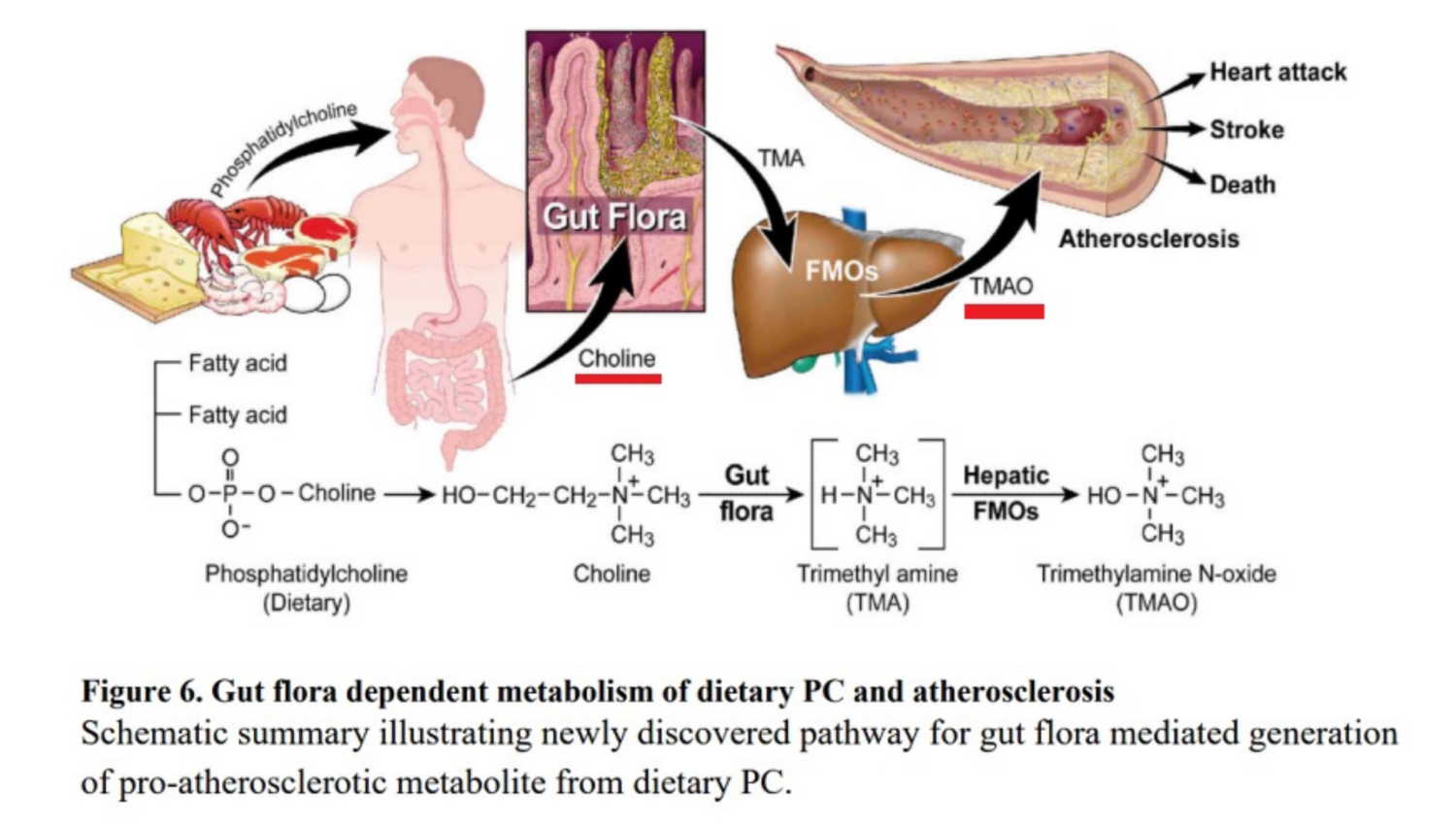
Gas Odor: The sulfur-containing amino acids methionine and cysteine, abundant in red meats such as beef and pork, generate hydrogen sulfide ($H_2S$) when metabolized by colonic bacteria, giving flatulence a strong, rotten-egg odor. Conversely, diets rich in fruits and vegetables produce virtually odorless gas [14].
Microbial Shifts: Animal protein fosters inflammatory bacteria like Bacteroides fragilis, Clostridium perfringens, Bilophila, and Alistipes. Plant protein encourages anti-inflammatory, beneficial species like Bifidobacterium, Lactobacillus, Prevotella, and Roseburia [15].
Disease Risk: Plant proteins from legumes, nuts, and seeds contain fewer toxin-generating amino acids and are rich in fiber [12]. In a 10-year prospective study of 67,000 healthy middle-aged French women aged 40 to 65, higher total protein intake—specifically animal protein—was significantly associated with an increased incidence of IBD [16]. When choosing protein, it is best to choose plant protein (see figure below) [17].
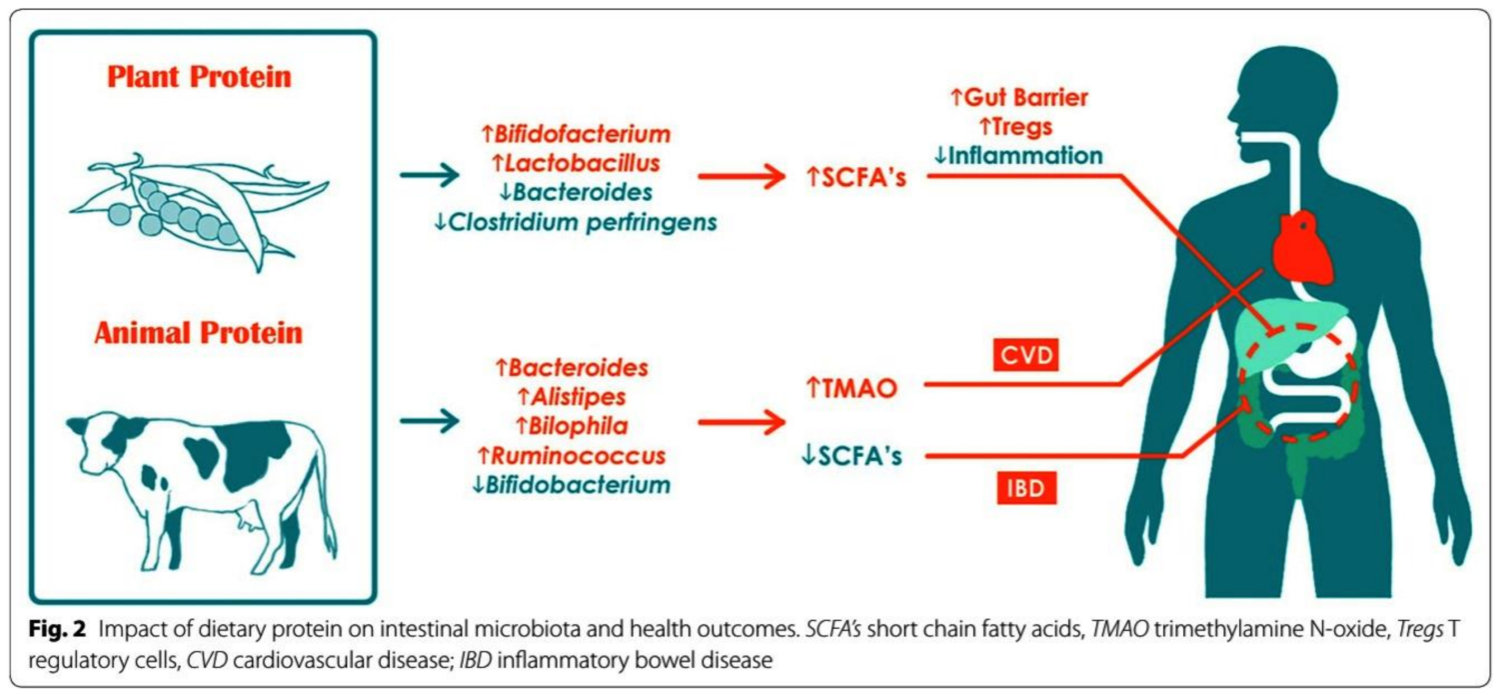
Animal fats and animal proteins compromise gut health, whereas plant fats and plant proteins support it. For individuals experiencing unresolved digestive discomfort, reducing meat consumption in favor of a plant-predominant diet can offer substantial therapeutic benefit.
Song Moo-Ho, MD, PhD Specialist in Orthopedic Surgery and Lifestyle Medicine
References
1. H Usuda, T Okamoto, K Wada. Leaky gut: effect of dietary fiber and fats on microbiome and intestinal barrier. International journal of molecular sciences 2021;22(14):7613.
2. K Makki, EC Deehan, J Walter, F Bäckhed. The impact of dietary fiber on gut microbiota in host health and disease. Cell host & microbe 2018;23(6):705-715.
3. H Usuda, T Okamoto, K Wada. Leaky gut: effect of dietary fiber and fats on microbiome and intestinal barrier. International journal of molecular sciences 2021;22(14):7613.
4. X Jia, Q Chen, H Wu, et al. Exploring a novel therapeutic strategy: the interplay between gut microbiota and high-fat diet in the pathogenesis of metabolic disorders. Frontiers in Nutrition 2023;10: 1291853.
5. IJ Malesza, M Malesza, J Walkowiak, et al. High-Fat, Western-Style Diet, Systemic Inflammation, and Gut Microbiota: A Narrative Review. Cells 2021;10(11):3164.
6. E Rinninella, M Cintoni, P Raoul, et al. Food Components and Dietary Habits: Keys for a Healthy Gut Microbiota Composition. Nutrients 2019;11(10):2393.
7. M Wolters, J Ahrens, M Romaní-Pérez, et al. Dietary fat, the gut microbiota, and metabolic health - A systematic review conducted within the MyNewGut project. Clin Nutr 2019;38(6):2504-2520.
8. Y Wan, W Tong, R Zhou, et al. Habitual animal fat consumption in shaping gut microbiota and microbial metabolites. Food Funct 2019;10(12):7973-7982.
9. J Muralidharan, S Galiè, P Hernández-Alonso, et al. Plant-Based Fat, Dietary Patterns Rich in Vegetable Fat and Gut Microbiota Modulation. Front Nutr 2019;6:157.
10. F Omer, X Song, E Qiao, et al. High-Protein Diets: Characteristics of Bacterial Fermentation and Its Consequences on Intestinal Health. Fermentation 2025; 11(12):678.
11. A González, A Fullaondo, I Odriozola, A Odriozola. Microbiota and other detrimental metabolites in colorectal cancer. Advances in Genetics 2024;112:309-365.
12. L Alvarenga, JA Kemp, BG Baptista, et al. Production of Toxins by the Gut Microbiota: The Role of Dietary Protein. Curr Nutr Rep 2024;13(2):340-350.
13. Z Wang, E Klipfell, BJ Bennett, et al. Gut flora metabolism of phosphatidylcholine promotes cardiovascular disease. Nature 2011;472(7341):57-63.
14. L Teigen, A Biruete, A Khoruts. Impact of diet on hydrogen sulfide production: implications for gut health. Curr Opin Clin Nutr Metab Care 2023;26(1):55-58.
15. C di Rosa, L di Francesco, C Spiezia, YM Khazrai. Effects of Animal and Vegetable Proteins on Gut Microbiota in Subjects with Overweight or Obesity. Nutrients 2023;15(12):2675.
16. P Jantchou, S Morois, F Clavel-Chapelon, et al. Animal protein intake and risk of inflammatory bowel disease: The E3N prospective study. Official journal of the American College of Gastroenterology| ACG 2010;105(10):2195-2201.
17. RK Singh, HW Chang, D Yan, et al. Influence of diet on the gut microbiome and implications for human health. J Transl Med 2017;15(1):73.