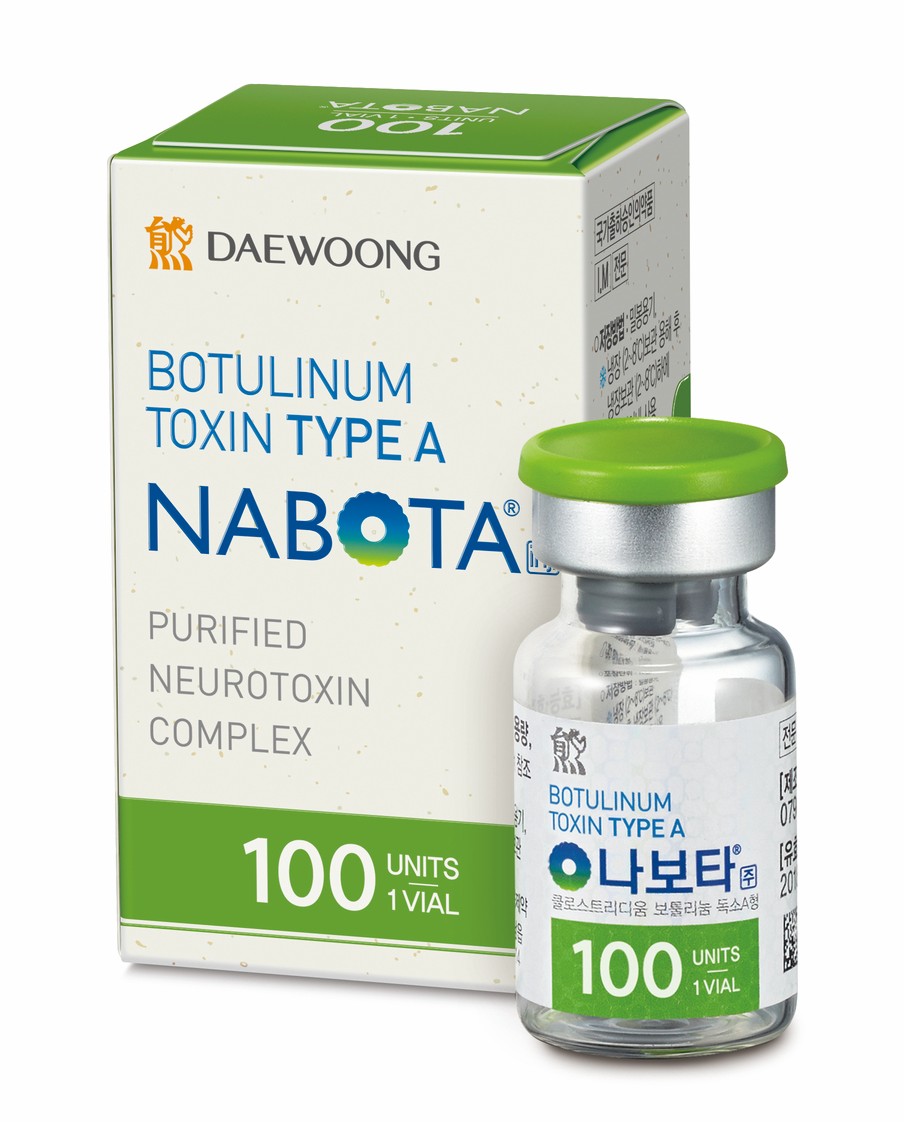
Daewoong Pharmaceutical announced on July 23 that it has severed supply transactions with a domestic medical institution after discovering two vials of domestic-market Nabota—its flagship botulinum toxin product—had been illegally exported to the United States. The enforcement action reflects a broader corporate crackdown aimed at stopping grey-market distribution and protecting patient safety.
Under an internal policy introduced in January, Daewoong enforces a zero-tolerance rule that permanently terminates business relationships with healthcare providers caught participating in illegal distribution. Acting on a tip from an overseas partner on July 10, the company traced the manufacturing lot numbers on the two unauthorized vials back to the specific domestic clinic and immediately halted all sales to the facility. While the exact intended destination in the U.S. and the potential involvement of local distributors remain under investigation, Daewoong confirmed the incident through U.S. Food and Drug Administration (FDA) import refusal records.
FDA compliance and cold-chain safety risks
In the U.S. market, Nabota is officially commercialized under the brand name Jeuveau with FDA-approved labeling. Products manufactured for South Korean domestic use lack U.S. New Drug Application (NDA) authorization and required English labeling, resulting in immediate FDA import refusals when brought into the country through unofficial channels. Daewoong emphasized that all official export shipments strictly comply with FDA regulations and have no history of import rejections.
Beyond regulatory non-compliance, the company highlighted significant biological safety risks. As a temperature-sensitive biologic, Nabota must be continuously stored and transported within a strict cold-chain window of 2°C to 8°C. Products routed through grey-market channels lack verifiable temperature controls, making it impossible to guarantee product quality, efficacy, or safety.
Calls for government action against grey-market exports
Daewoong has taken active steps to address grey-market distribution across the wider industry. Earlier this year, the company reported seven South Korean firms that received FDA warning letters regarding illegal toxin distribution to three regulatory bodies: the Korea Pharmaceutical Distribution Association, the National Petition Center, and the Anti-Corruption and Civil Rights Commission. However, private pharmaceutical companies face limits in gathering the customs clearance and shipping documentation required to trigger substantive government investigations.
"As cumulative sales of Nabota have surpassed 1 trillion won and its global market presence grows, illegal distribution attempts targeting the brand are also increasing," said Park Sung-soo, CEO of Daewoong Pharmaceutical. "To protect patient safety, we ask government authorities for their close attention and active support in curbing these unauthorized channels."