Actress Kang Ye-won has spoken candidly about her lifelong struggle with having an excessively large chest, revealing that her physical and emotional discomfort once led her to consider breast reduction surgery.
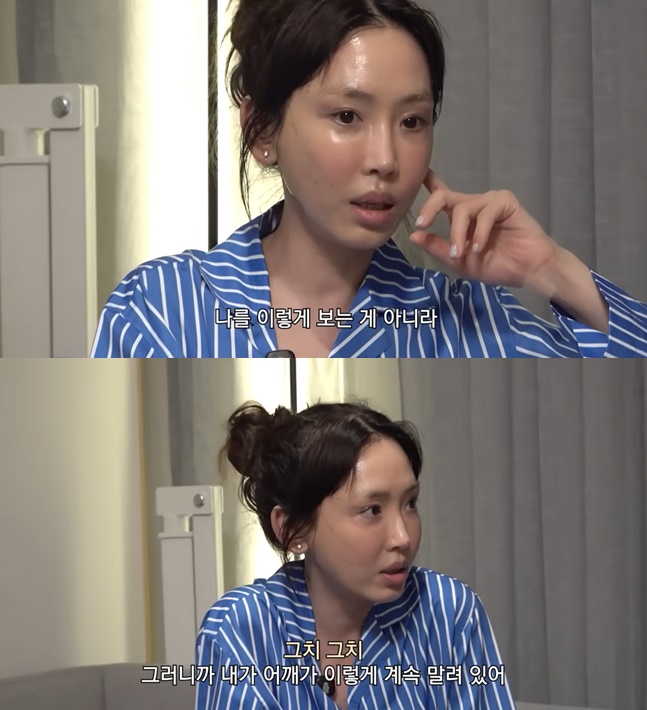
In a recent video on fellow actress Han Chae-ah’s YouTube channel, Kang discussed the burden her frame invited over the years. When Han expressed surprise at her figure, Kang explained, "I used to be a D cup, though I'm down to a C cup as I've gotten older. It was such a complex that my mother was always worried I might actually get reduction surgery."
Kang recalled the frustration of her teenage years: "In middle school, the buttons on my uniform were always popping open, so I had to walk around with safety pins holding them together. I hated it so much." She added, "People rarely looked at my face—their eyes went straight down there, and I would glare back at them. It made me paranoid and neurotic. To hide my chest, I was constantly walking around with my shoulders hunched forward."
While public conversations around body image often focus on small chest insecurity, excessively large breasts—a condition medically referred to as macromastia—present the opposite challenge. Abnormally large breast tissue is far more than a cosmetic issue; depending on severity, it can severely impair daily quality of life, causing chronic physical pain and functional limitations.
Chronic Pain and Social Anxiety
The most common physical complaint associated with heavy breasts is chronic strain on the musculoskeletal system. The continuous forward pull of excess weight places heavy stress on the cervical and thoracic spine, leading to persistent neck, shoulder, and back pain. Heavy brassiere straps can also dig into shoulder tissue, causing chronic pain and visible indentations on the skin.
Dermatological issues are another frequent complication. Where skin folds meet beneath the breast, trapped moisture and sweat create a prime environment for friction, intertrigo, rashes, and contact dermatitis. Simple physical activities such as running or exercising become uncomfortable or painful, while finding properly fitting attire becomes an ongoing frustration.
The psychological burden of macromastia is equally significant. Many women report intense stress from unwanted public attention, leaving them overly self-conscious about their posture and clothing choices. To avoid stares, some resort to wearing oversized garments or adopting poor posture. When social anxiety leads individuals to isolate themselves or avoid work and social interactions, the condition transcends cosmetic concern and warrants professional psychological support.
Surgical and Non-Surgical Solutions
For mild discomfort, conservative non-surgical approaches can provide relief. Wearing a professionally fitted supportive bra or a high-impact sports bra during exercise can reduce tissue movement and strain. Physical therapy, targeted posture-correcting exercises, and weight management—if breast enlargement accompanied overall weight gain—can also help alleviate discomfort.
However, conservative measures only manage symptoms rather than reducing breast tissue volume. When severe pain, recurrent skin irritation, or physical limitations significantly impair daily living, patients may consult medical specialists regarding surgical treatment.
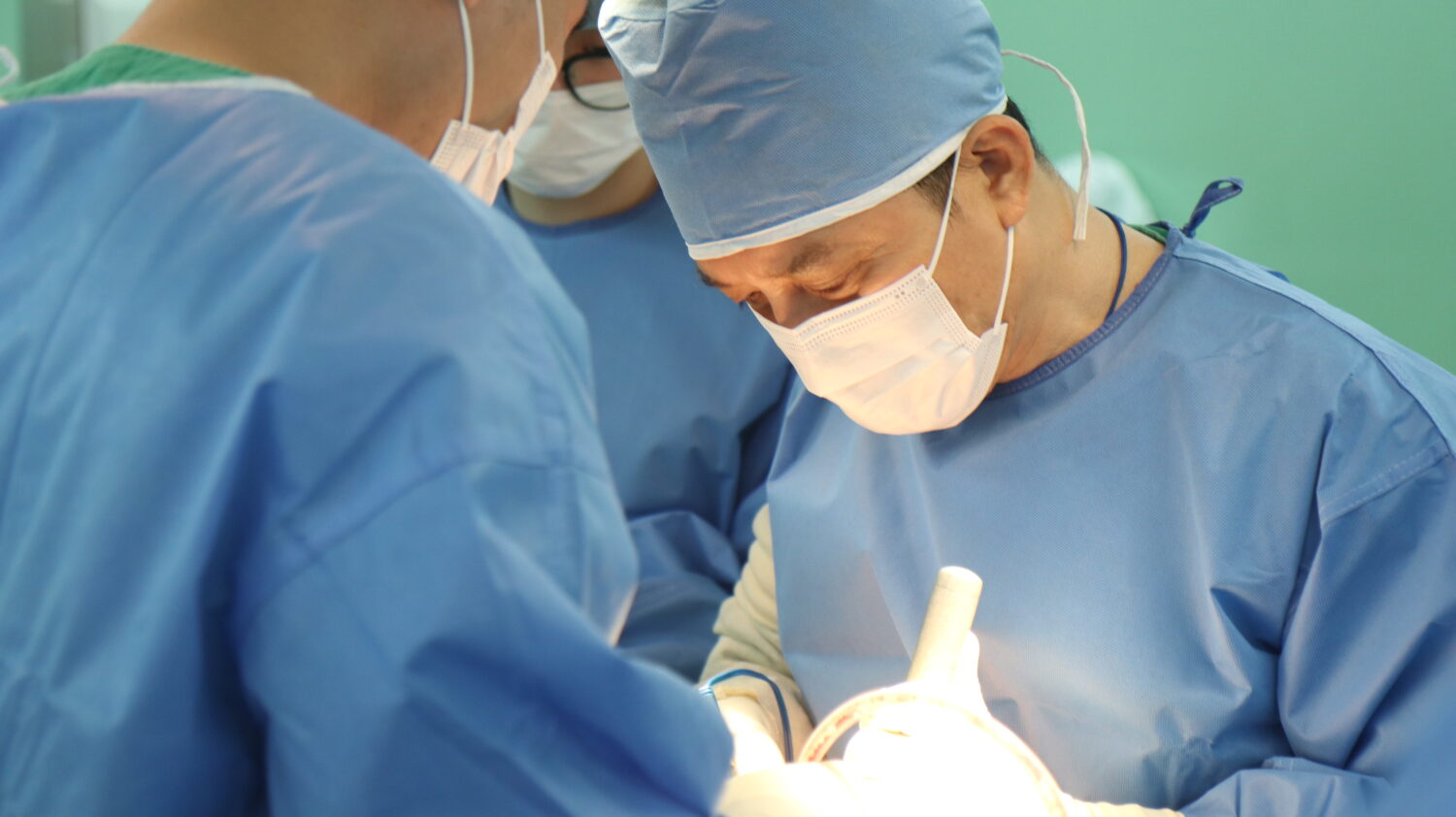
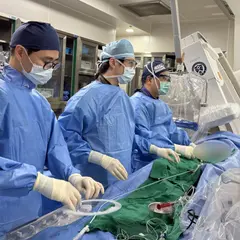
The medical term for breast reduction surgery is reduction mammaplasty. Unlike simple liposuction, reduction mammaplasty involves removing excess glandular tissue, fat, and skin before reshaping the remaining tissue into a proportional contour. In cases of severe macromastia or pronounced ptosis (sagging), the surgeon may also elevate and reposition the nipple-areolar complex. Consequently, reduction mammaplasty is best understood not merely as a cosmetic procedure, but as a reconstructive surgery designed to restore anatomical balance and relieve physical strain.

Restoring Quality of Life and Managing Surgical Risks
Clinical studies demonstrate that women undergoing reduction mammaplasty experience substantial health benefits. Surgery alleviates neck, shoulder, and back pain, reduces strap pressure, and resolves inframammary skin conditions. Beyond physical relief, patients frequently report marked improvements in body image, self-confidence, and overall health-related quality of life. For individuals suffering from functional impairment, the procedure is recognized as a legitimate therapeutic option rather than an elective cosmetic choice.
As a major surgical procedure performed under general anesthesia, reduction mammaplasty carries inherent risks. Potential complications include bleeding, infection, deep vein thrombosis, delayed wound healing, and asymmetry in breast size or contour. Incisions leave permanent scars, and sensory changes in the nipple and areola—ranging from temporary numbness to permanent sensation loss—are possible. In rare instances, compromised blood supply to the nipple-areolar complex can lead to tissue necrosis.
Patients considering surgery must also thoroughly discuss future pregnancy and breastfeeding plans with their physician. Because milk ducts, glandular tissue, and sensory nerves are altered during tissue excision, the ability to lactate may be compromised—particularly if the nipple and areola must be completely detached and grafted as a free tissue transfer. Immediate post-operative recovery involves temporary pain, bruising, and localized swelling that can take months to fully resolve. Medical consultations should focus comprehensively on long-term functional goals, scar placement, sensory preservation, and realistic physical expectations rather than arbitrary cup sizes.