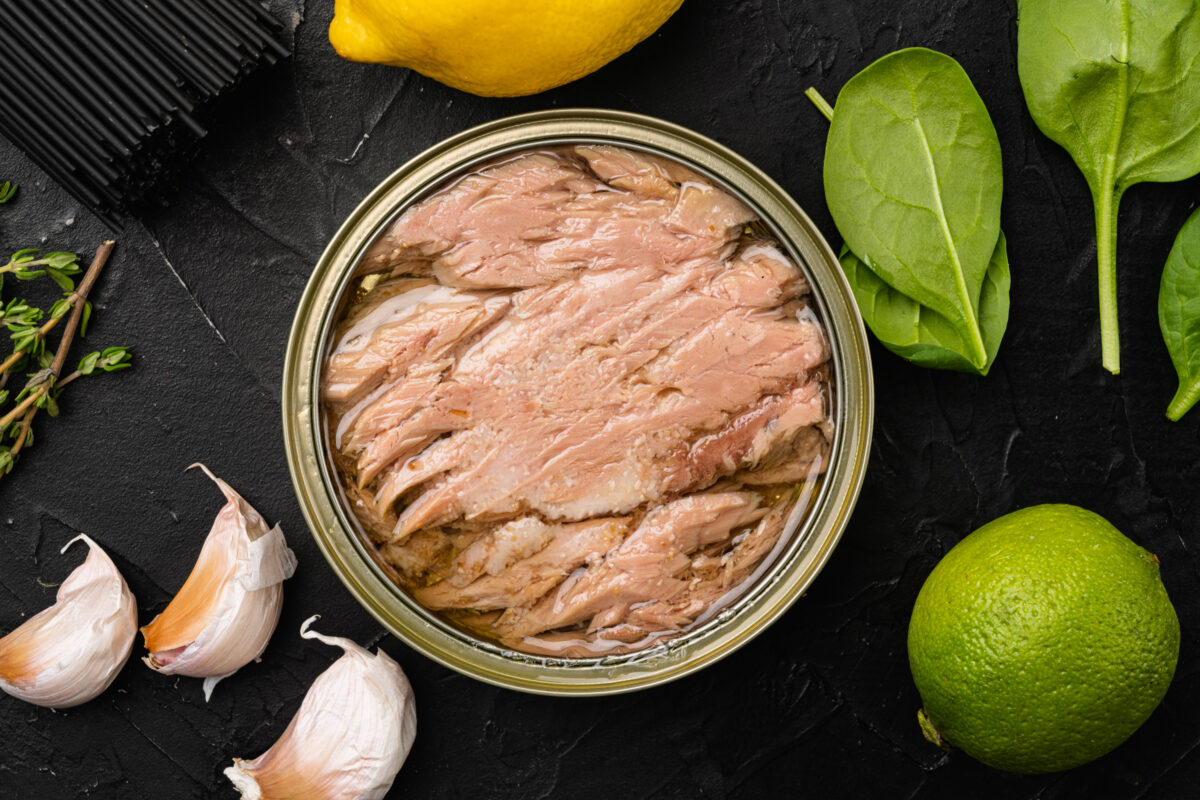
Canned tuna is a staple on many dinner tables—convenient, flavorful, and popular across all age groups. Yet, concerns about heavy metal exposure, particularly mercury, often cause consumers to hesitate when reaching for a can. Nutritionists and food safety experts clarify how much canned tuna is safe to consume weekly and why the risk is far lower than many assume.
A common misconception is that canned tuna comes from the same large, predatory tuna species served as sashimi. In marine ecosystems, mercury enters the ocean through natural volcanic activity and industrial pollution, accumulating up the food chain as methylmercury. Consequently, larger and longer-lived predatory fish accumulate higher concentrations of heavy metals over time.
However, the primary species used in canned tuna—both domestically and globally—are smaller, younger fish such as skipjack tuna (Katsuwonus pelamis) and yellowfin tuna (Thunnus albacares). Because these species are significantly smaller and have shorter lifespans than Pacific bluefin tuna (Thunnus orientalis) used for sashimi, their accumulated mercury levels remain remarkably low.
Low Mercury Accumulation and Weekly Safety Limits
International health guidelines set the Provisional Tolerable Weekly Intake (PTWI) of total mercury for a healthy adult at 3.3 micrograms (µg) per kilogram of body weight. For an adult weighing 70 kilograms (154 pounds), the safe weekly threshold stands at approximately 231 µg.
Mercury content in commercial canned tuna falls well below this ceiling. A recent study analyzing 95-gram cans of small tuna found an average mercury content of approximately 13 µg per can. Even if an adult consumed one can every day for a week, total weekly intake would reach roughly 92 µg—about 40% of the maximum safe limit. As a result, the likelihood of developing heavy metal toxicity from eating canned tuna as part of a regular adult diet is exceptionally low.
Vulnerable Populations and Sashimi-Grade Comparisons
Safety thresholds differ for pregnant women, infants, and young children due to smaller body masses and critical developmental windows. The weekly mercury intake limit for pregnant women is capped at roughly half that of the general adult population (1.6 µg per kilogram of body weight). Similarly, a 4-year-old child weighing 20 kilograms has a total weekly intake limit of 66 µg. Healthcare professionals recommend that households with pregnant women or young children limit canned tuna consumption to two or three cans per week.
By contrast, large sashimi-grade species such as Pacific bluefin tuna and bigeye tuna carry far higher mercury concentrations. A single 200-gram serving of Pacific bluefin tuna sashimi contains approximately 140 µg of mercury—delivering 70% of an adult’s recommended weekly ceiling in one meal. Experts advise limiting high-grade tuna sashimi to no more than once a week while moderating other seafood consumption during that period.
Sodium Content Represents the Primary Health Concern
For frequent consumers, sodium presents a more immediate nutritional concern than mercury. Canned tuna contains more salt than many realize, averaging roughly 410 milligrams of sodium per 100 grams. Consuming a standard 200-to-250-gram can in one sitting delivers about half of the World Health Organization’s (WHO) recommended daily sodium ceiling of 2,000 milligrams.
Pre-seasoned varieties frequently served as side dishes—such as chili tuna or vegetable-infused tuna—contain even higher concentrations of sodium and added sugars, requiring additional dietary moderation.