
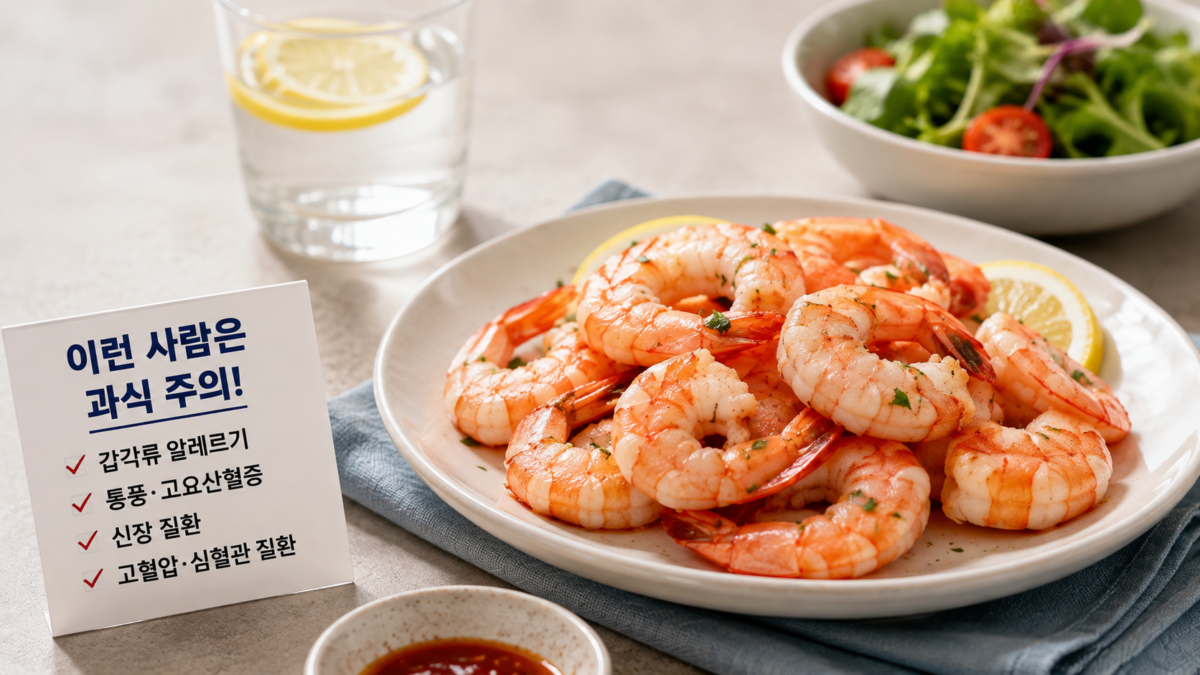
With its springy texture and mild flavor, shrimp is often the first ingredient people pick out of fried rice or pasta. While shrimp serves as an excellent source of lean protein, eating large quantities can backfire depending on individual health conditions—particularly for those managing shellfish allergies, elevated blood lipids, or gout.
Shellfish Allergies Demand Strict Avoidance
Shrimp is one of the most common triggers for crustacean allergies. Following consumption, sensitized individuals may experience itching around the lips and mouth, hives, facial swelling, abdominal pain, or vomiting. In severe cases, exposure can trigger anaphylaxis—a life-threatening systemic reaction characterized by throat constriction and respiratory distress that requires immediate emergency care.
Those allergic to shrimp frequently cross-react with other crustaceans, including crab and lobster. Moreover, allergenic proteins can hide in processed foods such as seafood stocks, broths, and sauces where whole shrimp is not visible. Medical experts advise that anyone who experiences unusual symptoms after consuming shrimp should seek a formal evaluation from an allergist rather than attempting self-exposure tests.
Rethinking Dietary Cholesterol and Preparation
Because shrimp contains dietary cholesterol, individuals with hyperlipidemia have traditionally avoided it. However, modern nutritional science emphasizes that shrimp is exceptionally low in saturated fat. When managing low-density lipoprotein (LDL) cholesterol, overall dietary saturated fat intake plays a far more significant role in raising blood cholesterol levels than dietary cholesterol alone.
Preparation methods heavily dictate its nutritional impact. Deep-frying shrimp adds substantial calories and fat through batters and oils, while rich butter or cream sauces similarly elevate saturated fat levels. Steaming, grilling, or blanching shrimp and pairing it with fiber-rich vegetables provides a far better option for cardiovascular health.
Gout and Purine Overload
For individuals with gout or hyperuricemia, portion control is essential. Shellfish, including shrimp, contains moderate to high levels of purines—organic compounds that break down into uric acid in the body. When excess uric acid accumulates in the bloodstream, it forms needle-like urate crystals in joint tissues, triggering excruciating gout flares. The Arthritis Foundation recommends that patients with gout strictly moderate their consumption of purine-rich seafood.
Risks escalate significantly when shrimp is consumed alongside red meat, other shellfish, or alcohol. Alcohol—particularly beer—both increases purine production and accelerates renal uric acid retention, creating a compound effect that sharply raises the likelihood of an acute flare-up.
Smart Preparation for Balanced Nutrition
Shrimp remains a valuable source of high-quality protein when integrated into a balanced diet alongside vegetables, legumes, and whole grains. Staying well-hydrated also helps the kidneys flush out excess uric acid efficiently.
When purchasing frozen or pre-packaged shrimp, consumers should check nutrition labels for added sodium used during preservation. Cooking with minimal added salt, soy sauce, or heavy fats allows diners to enjoy shrimp's natural flavor while maintaining optimal health benefits.