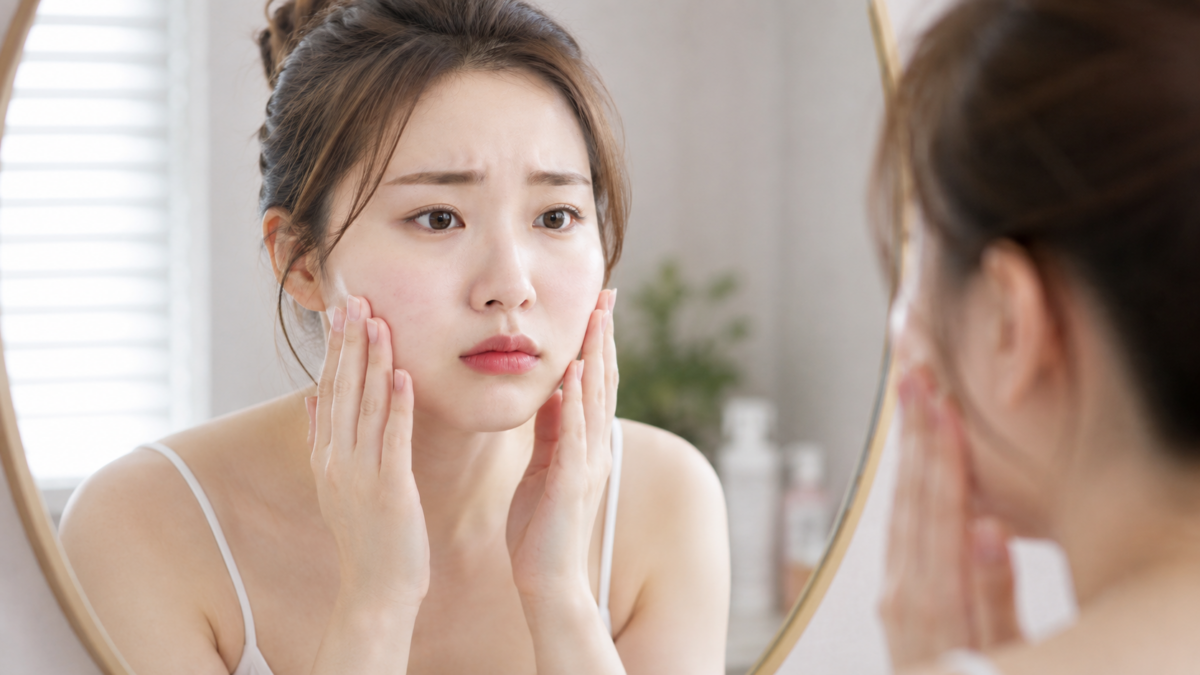
Some mornings, you wake up to a startling sight in the mirror: a noticeably puffy face. Fluid naturally pools in facial tissues overnight, a process exacerbated by high-sodium meals or inadequate sleep. While morning swelling typically dissipates as you move around, a few practical steps can accelerate the process on busy mornings.
Get Moving Early and Adjust Your Sleep Setup
Instead of jumping straight out of bed, gently wake up your body with light stretching—slowly rolling your neck and shoulders and reaching your arms overhead. Physical movement stimulates blood and lymphatic circulation. A light walk or full-body movement is far more effective—and less irritating to the skin—than aggressively rubbing your face.
If morning facial swelling is a recurring issue, preventative measures the night before can help. Sleeping with your head slightly elevated above your torso prevents fluid from pooling around the eyes. Choose a pillow that provides a comfortable incline without forcing your neck to bend unnaturally.
Soothe Puffy Eyelids with a Cold Compress
If the area around your eyes is noticeably swollen before your morning commute, a cold compress offers quick relief. Dampen a clean towel with cold water, wring it out, and rest it gently over closed eyes for a few minutes to reduce localized swelling.
Avoid applying ice directly to the skin or massaging the face forcefully. Facial massage intended for lymphatic drainage requires an extremely light touch—just enough pressure to glide over the surface of the skin. Because periorbital skin is exceptionally delicate, rubbing harder will not speed up recovery and can cause tissue irritation.
Address Evening Sodium Intake, Not Just Morning Routines
Consuming sodium-dense foods late in the evening—such as ramen, salty stews, takeout, or processed meats—dramatically increases water retention overnight. If late-night snacks are a habit and you frequently wake up puffy, addressing your evening diet is essential.
To prevent morning edema, avoid drinking all the broth in soups and stews at dinner and cut back on processed, high-sodium late-night snacks. Maintaining proper hydration throughout the day is equally critical. Managing sodium and fluid balance starting the evening before is ultimately far more effective than rushing to reduce swelling in the morning.
When Persistent Swelling Signals an Underlying Medical Issue
Mild facial puffiness immediately after waking is normal and typically subsides within a few hours. However, swelling that persists throughout the day, worsens, or recurs constantly should be distinguished from ordinary morning puffiness. Facial edema can be associated with underlying health issues involving thyroid function, kidney health, allergies, infections, or side effects from certain medications.
In particular, sudden swelling on one side of the face, or puffiness accompanied by pain or fever, warrants prompt medical evaluation. Sudden swelling of the lips, tongue, or throat accompanied by difficulty breathing indicates a severe allergic reaction requiring immediate emergency medical care.