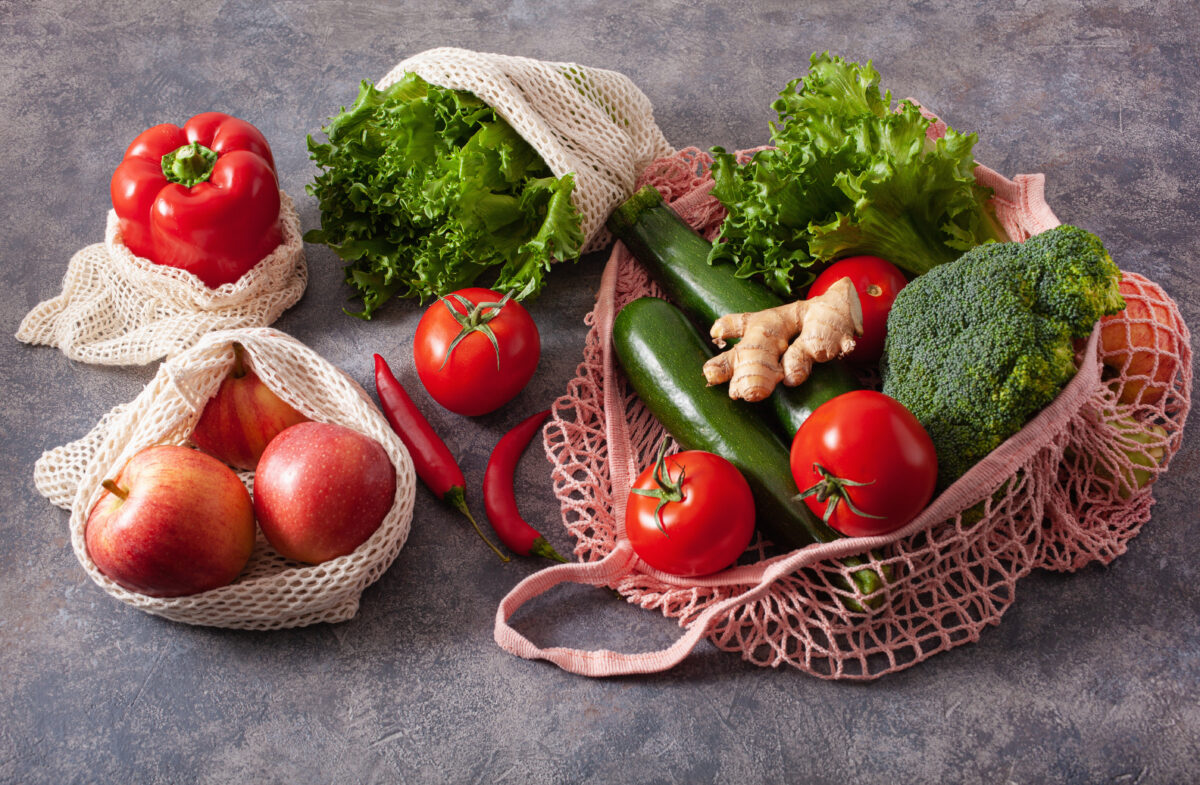
As adults navigate middle age, declining muscle mass and shifting hormonal balances often make it easier for visceral fat to accumulate around the abdomen. While regular physical activity remains essential, strategic dietary choices play an equally critical role in body-fat management. Choosing foods that maximize satiety while supplying essential nutrients can help manage weight without sacrificing energy or muscle tissue.
Here are eight foods that support abdominal fat management in middle age:
1. Deeply Colored Red Fruits: Apples, strawberries, and cherries are packed with polyphenols and other potent antioxidant compounds. Apples in particular offer high levels of dietary fiber, promoting long-lasting fullness and helping curb unnecessary snacking between meals.
2. Eggs: Providing high-quality complete protein, eggs are especially beneficial for midlife weight management. Combining adequate protein intake with resistance training helps preserve critical muscle mass and maintain resting metabolic rates.
3. Olive Oil: Rich in monounsaturated fatty acids, olive oil serves as an ideal substitute for saturated fats. Because healthy fats take longer to digest than carbohydrates, incorporating controlled amounts into meals enhances satiety and supports appetite regulation. However, because olive oil remains calorie-dense, moderation is key.
4. Plant-Based Proteins: Legumes, tofu, almonds, peanuts, and sunflower seeds supply a nutrient-dense combination of plant protein, dietary fiber, and unsaturated fats. While nuts are higher in calories, a moderate daily portion—roughly a small handful—delivers sustained satiety and essential micronutrients.
5. Lean Meats: Chicken breast, turkey, pork tenderloin, and lean cuts of beef provide abundant protein with minimal fat. Maintaining high protein intake during calorie restriction prevents muscle loss, protecting against drops in basal metabolic rate. To maximize health benefits, prepare meats using simple methods like grilling, baking, or boiling rather than frying or using heavy, sugar-laden sauces.
6. Leafy Green Vegetables and Green Tea: Bulk-rich vegetables like spinach, kale, lettuce, and broccoli provide substantial physical volume and fiber with minimal calories, making portion control effortless. Meanwhile, green tea delivers catechins—polyphenolic antioxidants that support metabolic health and body-fat reduction.
7. Bioactive Spices: Spices such as ginger, cinnamon, and turmeric contain bioactive compounds with strong antioxidant and anti-inflammatory properties. Incorporating these spices enhances meal flavor naturally, reducing reliance on excess sodium or added sugars.
8. Nutrient-Dense Plant-Based Smoothies: Blending vegetables with select fruits, nuts, and legumes offers an efficient way to consume fiber, vitamins, minerals, and polyphenols. To prevent unexpected sugar spikes, base smoothies primarily on leafy greens rather than high-glycemic fruits or syrups, and incorporate unsweetened yogurt, tofu, or nut butter to balance protein and fiber content.