A primary driver of cardiovascular disease—particularly for those entering middle age—is low-density lipoprotein (LDL), commonly referred to as "bad cholesterol." While cholesterol itself is essential for the production of hormones and vitamin D, high levels of LDL are closely linked to the development of atherosclerosis. Conversely, high-density lipoprotein (HDL) is known as "good cholesterol" for its protective health benefits.
By effectively lowering LDL levels, individuals can significantly reduce the risk of heart attacks and other chronic cardiovascular conditions. Here are six foods scientifically recognized for their ability to manage cholesterol levels.
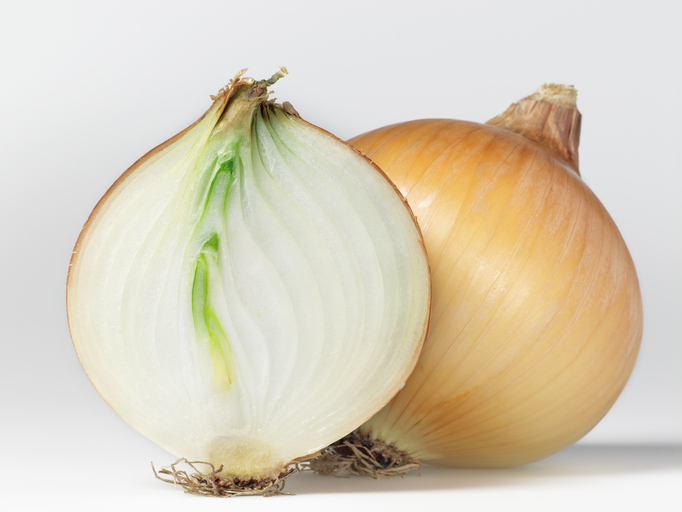
Onions
Research conducted at Texas A&M University suggests that consuming at least half an onion daily can lead to a 30% increase in HDL levels. This "good" cholesterol supports heart health by clearing excess cholesterol from tissue cells. Furthermore, the study noted that onions assist in improving blood circulation, reducing blood pressure, and preventing the formation of dangerous blood clots.
Oily Fish
Oily fish are a vital source of heart-healthy unsaturated fatty acids. The American Heart Association recommends consuming fish high in omega-3 fatty acids—such as mackerel, sardines, salmon, trout, and Pacific saury—at least twice a week. For those unable to maintain this intake through whole foods, fish oil supplements containing EPA and DHA have been shown to provide similar benefits for cardiovascular patients.
Strawberries
Studies indicate that strawberry consumption can reduce LDL levels while leaving HDL levels unaffected. This benefit is largely attributed to the potent antioxidants found within the fruit. However, due to the fructose content which may impact blood sugar, health experts recommend a serving size of approximately 10 strawberries, especially for individuals managing conditions like diabetes.
Nuts
Almonds, walnuts, and pistachios are characterized by high levels of unsaturated fats and low saturated fat content. Clinical research has shown that incorporating nuts into a diet can lower LDL by an additional 3–19% compared to a standard Western-style low-fat diet.
Turmeric
Turmeric, the primary spice in curry, contains curcumin, a bioactive compound with significant medicinal properties. Experiments led by a research team at the University of Michigan demonstrated that turmeric lowers LDL levels, prevents arterial cholesterol accumulation, and inhibits the clumping of platelets.
Avocados
Much like olive oil, avocados are dense in monounsaturated fats. These healthy fats serve a dual purpose: they actively reduce bad cholesterol while simultaneously working to increase the concentration of good cholesterol in the bloodstream.