When bacteria or fungi causing conditions like pneumonia or urinary tract infections invade the bloodstream, they trigger a severe bloodstream infection that can rapidly spread throughout the body. In these critical cases, swiftly identifying the underlying pathogen and administering the correct antimicrobial agent is vital.
However, confirming bacterial growth in a standard blood culture is only the first step. Clinicians still face a lengthy wait while the laboratory isolates the specific organism and determines which drugs can effectively eliminate it.
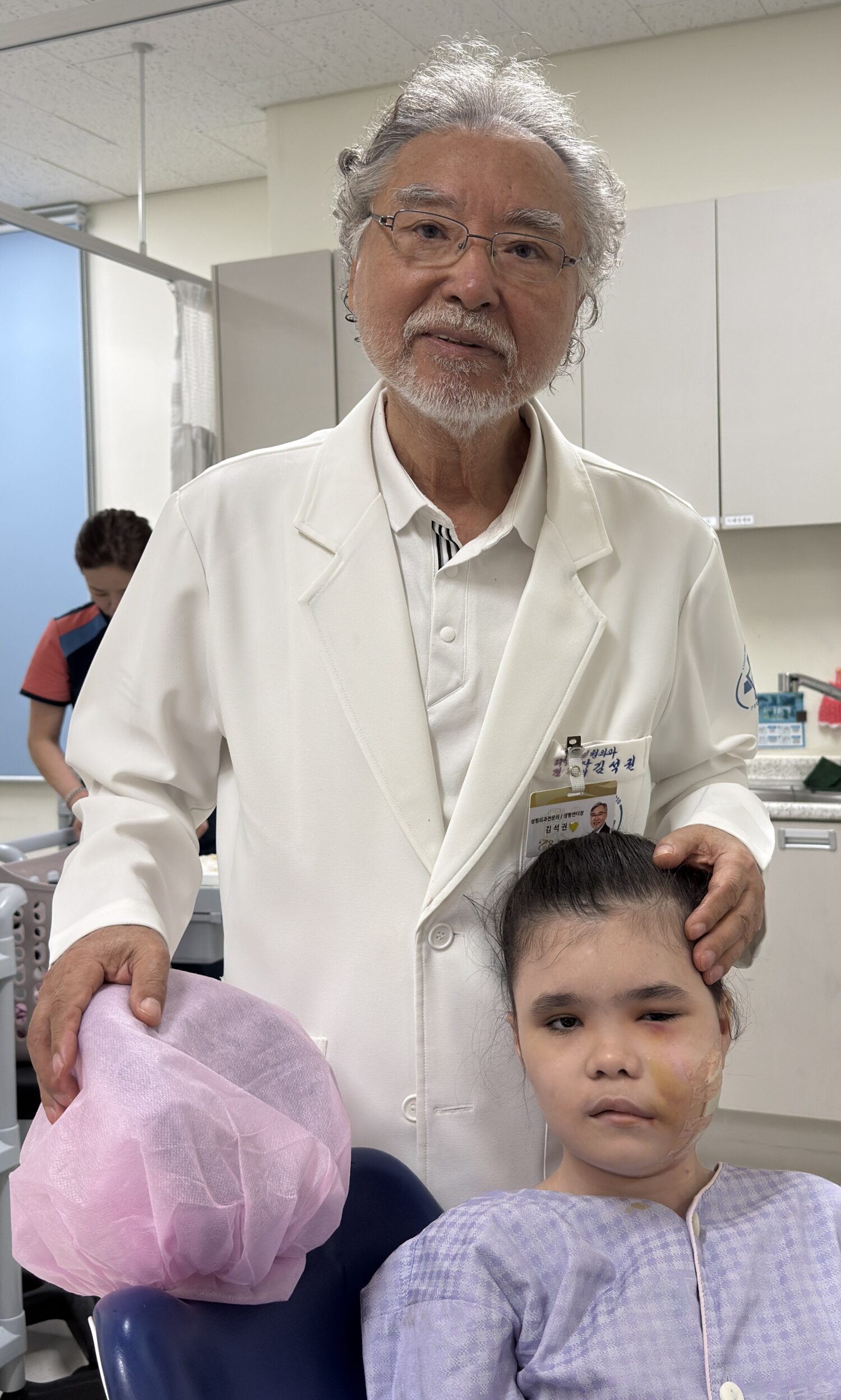
A research team led by Professor Kim Geun-joo of the Department of Laboratory Medicine at Korea University Anam Hospital announced Sept. 3 that adding a rapid multiplex polymerase chain reaction (PCR) test for patients with positive blood cultures reduced the time required to switch to an effective antimicrobial agent by 41.3 hours. The prospective randomized controlled trial demonstrated that this approach significantly shortens the critical waiting period in bloodstream infection management.
Detecting Pathogens and Resistance Genes Simultaneously
Bloodstream infections represent life-threatening medical emergencies originating from pneumonia, urinary tract infections, intra-abdominal infections, or intravenous catheter sites.
The multiplex PCR platform evaluated in the study detects multiple bacterial and fungal species simultaneously alongside key antimicrobial resistance genes in a single diagnostic run.
The test does not replace traditional blood cultures, which remain necessary for comprehensive antimicrobial susceptibility testing. Instead, samples that test positive on initial blood culture are immediately reanalyzed using rapid PCR. This provides clinicians with early diagnostic clues regarding the pathogen's identity and resistance profile long before full culture results mature.
Dramatic Time Savings Across Wards and Off-Hours
To evaluate the real-world clinical impact, the researchers conducted a prospective randomized controlled trial involving 418 adult inpatients with confirmed positive blood cultures at Korea University Anam Hospital between June and October 2025.
Patients were randomly assigned at enrollment to either a standard-testing control group (208 patients) or an intervention group receiving rapid multiplex PCR in addition to standard testing (210 patients). Both cohorts received parallel antimicrobial stewardship support to optimize drug selection and prevent unnecessary antibiotic use.
The addition of rapid PCR led to substantial time savings in targeted therapy:
Overall Patient Population: The median time to the first prescription change to an effective antimicrobial dropped from 64.5 hours in the standard group to 23.2 hours in the rapid-PCR group—a 41.3-hour improvement. Significant reductions were observed across Gram-negative bacteria, Gram-positive bacteria, and fungal pathogens.
Intensive Care Unit (ICU): Among ICU patients, the median time to an effective treatment adjustment fell from 84.8 hours down to 20.5 hours—a reduction of 64.3 hours (nearly two and a half days faster).
General Wards & Off-Hours: In general ward settings, adjustment time decreased from 55.5 hours to 23.4 hours. Treatment modifications were also accelerated significantly during nights, weekends, and holidays.
Halving Persistent Infection Rates
The clinical benefits of accelerated decision-making were reflected in patient outcomes. The incidence of persistent bloodstream infections—where the same pathogen continues to be detected in follow-up blood cultures—fell from 11.5% in the standard-testing group to 5.7% in the rapid-PCR group, effectively halving the rate.
However, the study found no statistically significant differences between the two groups regarding 30-day mortality or overall length of hospital stay, indicating that while rapid PCR accelerates targeted treatment, broader clinical outcomes depend on additional medical variables.
"We confirmed through a randomized controlled trial that rapid molecular diagnostics do more than just deliver laboratory results faster—they substantially accelerate real-world decisions regarding effective antimicrobial therapy," said Professor Kim Geun-joo. "When closely integrated with an antimicrobial stewardship program, rapid diagnostics can ensure faster and more precise care for patients suffering from bloodstream infections."
The study was co-authored by Professor Kim Geun-joo and Professor Yoon Young-kyung of the Division of Infectious Diseases as co-first authors. Professor Nam Myeong-hyeon of the Department of Laboratory Medicine and Professor Son Jang-wook of the Division of Infectious Diseases served as co-corresponding authors.
The findings were published online Aug. 20 in Clinical Infectious Diseases, the official journal of the Infectious Diseases Society of America (IDSA), where the paper was selected as an "Editor’s Choice" feature.