Blood clots can form far more easily than many realize. When factors such as prolonged immobility, sluggish blood flow, or vascular damage overlap, blood can coagulate into a blockage. If a clot breaks loose and disrupts circulation, it can rapidly escalate into a life-threatening medical emergency.
Dr. Kim So-hyung, a doctor of Korean medicine, recently addressed the threat on her YouTube channel, calling blood clots "more terrifying than cancer" because of how suddenly they strike. "If a clot travels to the brain, it causes a cerebral infarction; if it blocks the heart, a myocardial infarction; and if it reaches the lungs, it results in a pulmonary embolism—which can cause sudden death," Kim explained.
To lower the risk, Kim highlighted three key foods and nutrients that support vascular health and inhibit clot formation.
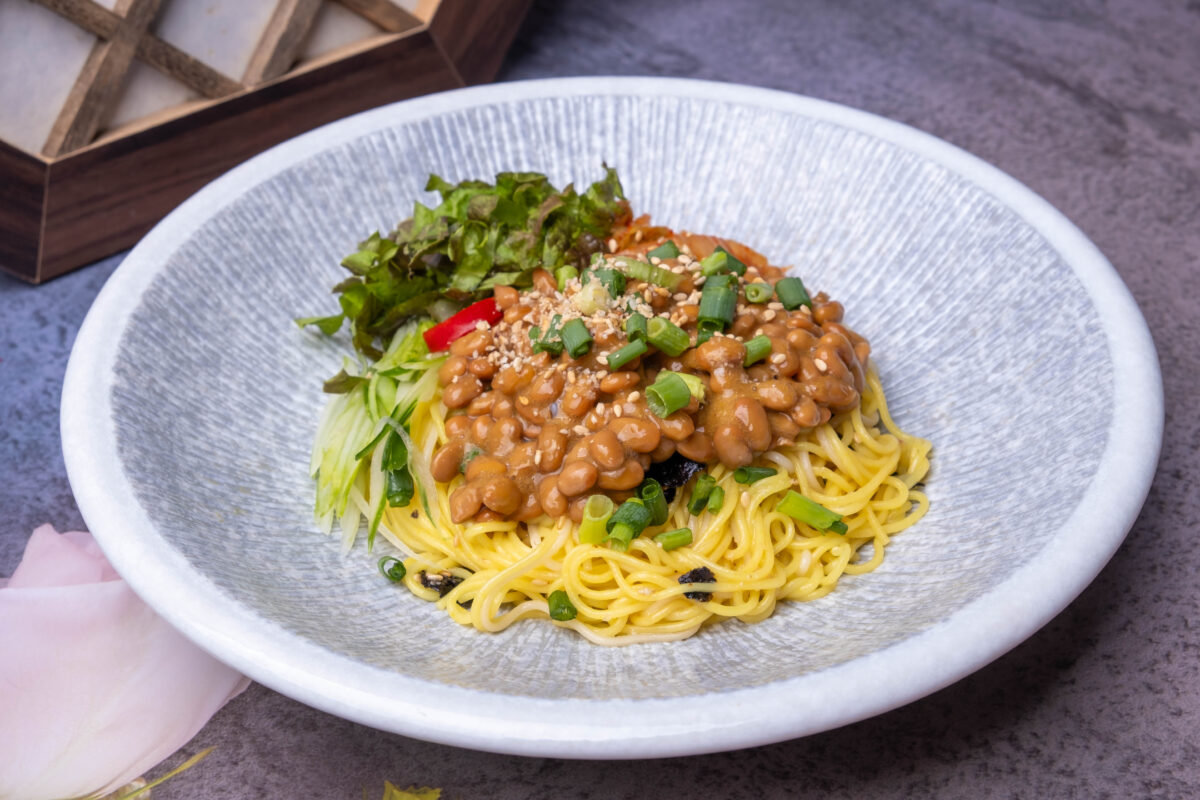
Natto and Cheonggukjang: Nattokinase Breaks Down Fibrin
Kim pointed to nattokinase, an enzyme found abundantly in fermented soybean products like natto and cheonggukjang (fast-fermented bean paste). "The thread-like, viscous slime that forms when you stir natto contains high concentrations of natural clot-dissolving enzymes," Kim noted, emphasizing that because these enzymes are created exclusively during soybean fermentation, consuming fermented soy foods is essential.
Nattokinase functions by degrading fibrin, the structural protein that forms a net-like mesh to trap blood cells during coagulation. By breaking down fibrin, nattokinase helps dissolve premature clots. Research from Miyazaki Medical College in Japan demonstrated that healthy adults who consumed nattokinase experienced a significant increase in fibrinolytic (clot-dissolving) activity in their blood.
Perilla Seeds and Perilla Oil: Plant-Based Omega-3s Combat Vascular Inflammation
Perilla seeds and perilla oil are rich in alpha-linolenic acid (ALA), a plant-based omega-3 fatty acid. In the human body, ALA converts in small amounts into EPA and DHA, helping modulate inflammatory responses and platelet activity. While platelets are necessary to stop bleeding during injury, excessive activation can trigger dangerous intravascular clotting.
"A blood clot is not simply clumped blood; it stems from chronic inflammation on the arterial wall," Kim said. "That is when you need omega-3 fatty acids—the 'cleaning crew' of the circulatory system—and perilla seeds contain them in the highest amounts."
A 2026 study published in the journal Food & Function by researchers at Seoul National University of Science and Technology and CHA University supported this mechanism. Healthy smokers who consumed 4.8 grams of perilla oil daily for eight weeks showed elevated blood levels of ALA and EPA, alongside favorable reductions in markers related to platelet activation and vascular inflammation.
Crown Daisy and Spinach: Folate Neutralizes Vascular Toxins
Kim also emphasized the importance of folate (vitamin B9), naming crown daisy and spinach as two of its richest dietary sources. "Folate is the nutrient that safely reprocesses vascular toxins," she explained.
Folate is required to metabolize homocysteine, an amino acid derivative produced during the breakdown of methionine. When homocysteine accumulates to high levels in the bloodstream, it damages the endothelial lining of blood vessels, promoting inflammation and significantly raising the risk of thrombosis and cardio-cerebrovascular disease.
While no single food can completely prevent blood clots, experts agree that maintaining vascular health requires a comprehensive approach. Combining a balanced diet rich in targeted nutrients with regular physical activity offers the best defense against clot formation.