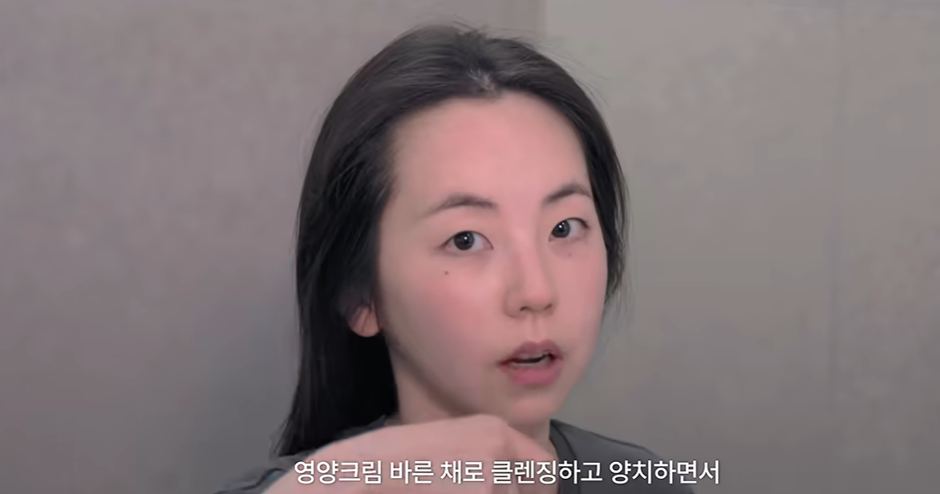
Actress and former Wonder Girls member Ahn So-hee recently revealed that she applies a rich face cream to her hair instead of conventional conditioning treatments.
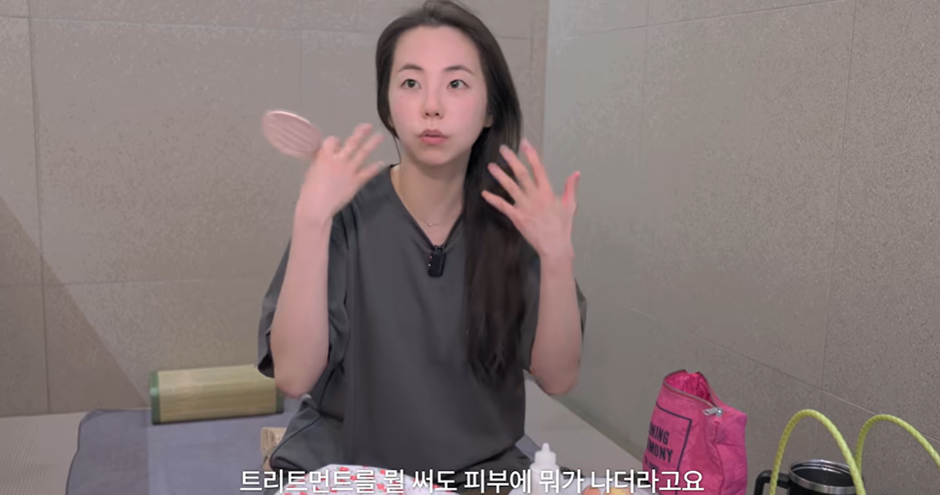
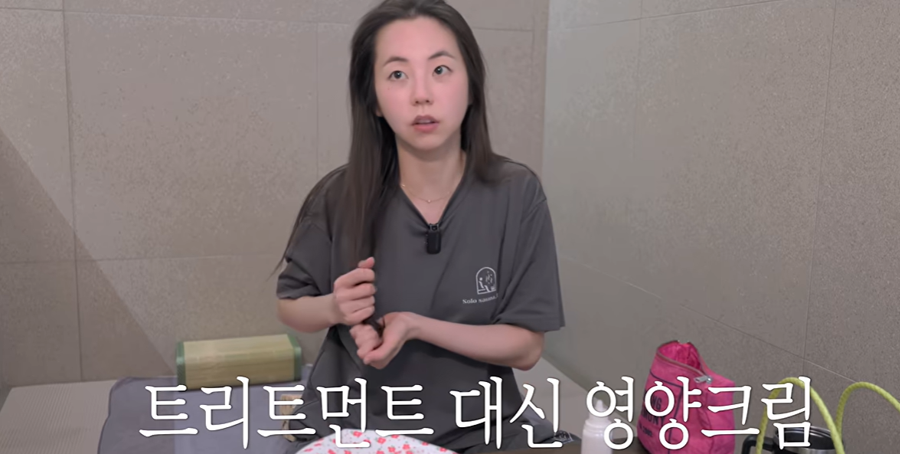
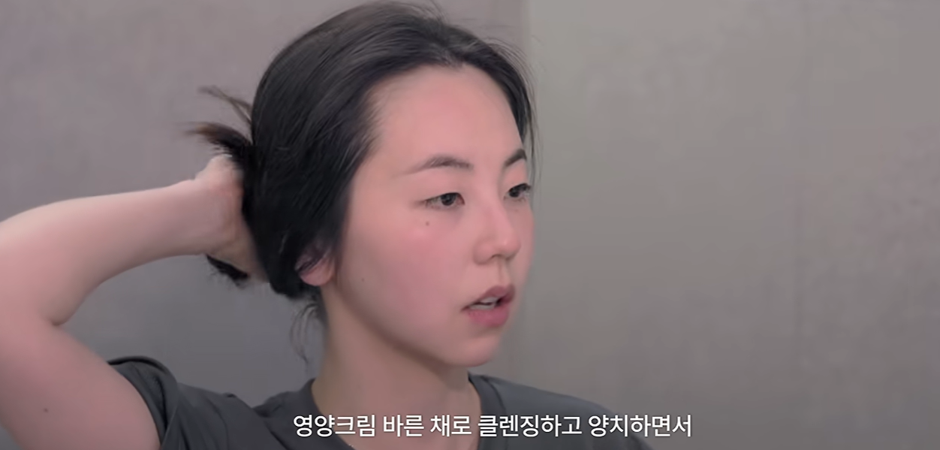
In a video uploaded to her YouTube channel, Ahn So-hee, the singer visited a traditional sauna after shopping for bath supplies at Namdaemun Market. Addressing frequent fan inquiries about her hair-care regimen, she explained why she avoids traditional hair treatments.
"My skin has become extremely sensitive lately, and no matter which hair treatment I try, it triggers breakouts," Ahn shared. "Since I haven't found a commercial treatment that works for me, I apply a thick, nourishing face cream to my hair and leave it on while enjoying the sauna or washing my face." She added that she maintains separate hairbrushes for use before and after shampooing.
Small, raised bumps or red, itchy rashes following hair-product application can stem from distinct underlying causes. Formulations rich in heavy oils or specific chemical irritants often provoke cutaneous reactions. Beyond selecting suitable products, application technique and thorough rinsing are vital to preventing skin irritation.
Small Bumps Along the Hairline? Check the Oils in Your Hair Products
Hair products engineered to soften strands do not always agree with delicate skin. According to the American Academy of Dermatology (AAD), heavy oils in hair products can clog pores, causing pomade acne—small papules and comedones along the hairline, forehead, and temples. Residue from products applied to hair can also transfer repeatedly to facial skin throughout the day.
If breakouts develop, the primary recommendation is to discontinue using the suspected product and observe skin changes. When shopping for alternatives, look for labels marked "oil-free" or "non-comedogenic." Regularly laundering pillowcases, headbands, and hats that come into contact with hair products also minimizes residual transfer to the skin.
Itchy Red Rashes May Signal Irritant or Allergic Contact Dermatitis
Not all adverse skin reactions represent acne breakouts. If skin becomes itchy, erythematous, or inflamed after applying or rinsing a product, irritant or allergic contact dermatitis may be the culprit. Fragrances and preservatives commonly added to shampoos, conditioners, and styling treatments are frequent triggers for contact allergies.
When rinsing hair, tilt your head backward to prevent product runoff from streaming across the face, neck, and back, and thoroughly cleanse any skin that comes into contact with lather. If symptoms persist, keeping a log of product usage and symptom onset helps dermatologists conduct targeted patch testing to isolate problematic ingredients.

Application Technique and Proper Rinsing Are Essential to Hair Care
Ahn's substitution of face cream represents a personal hair-care workaround. However, a product formulated for the face is not inherently superior or safer for hair and scalp health than a dedicated hair product. Skin reactions to facial creams also vary based on specific ingredients and occlusivity, necessitating careful monitoring of application amount and skin response.
For standard hair care, the safest approach is selecting a light, appropriate conditioner and applying it strictly as directed. Individuals with fine or straight hair should concentrate product application exclusively on the hair ends, avoiding scalp contact, and rinse thoroughly. When detangling, gently brush from the ends upward to minimize physical friction and hair breakage.