
“No one uses common sense and goes through three months’ worth of medication from a pharmacy, checking each individual packet to make sure it was dispensed correctly. You trust it and take it. If the evening shift nurse hadn’t caught the mistake, it’s terrifying to even think about what could have happened.”
Yang Gi-jong, 58, squeezed his eyes shut as he recalled last spring, when a routine prescription nearly turned fatal for his family.
On May 3, five days before Parents’ Day, Yang’s 84-year-old mother collapsed from severe shock. It marked her fourth sudden loss of consciousness in less than three weeks, following previous episodes on April 16, April 17, and May 2.
“Even after transferring her from hospital to hospital, doctors couldn’t find a cause—every reading came back normal,” Yang said. “She is well into her 80s, and it reached the point where she felt her end was near and began organizing her estate.”
A Discovery Driven by Look-Alike Tablets
The breakthrough came from an alert health care worker. On the evening of May 3, after Yang’s mother was admitted to a hospital in Incheon, an evening shift nurse reviewing her brought-in medications called Yang over.
“Does your mother have diabetes?” the nurse asked.
“Not at all,” Yang replied. “She has lived her entire life without diabetes.”
“That’s strange,” the nurse said. “There is a drug in this prescription bag designed to lower blood sugar.”
Yang immediately examined his mother’s daily medication packets. Among her pills were Gluriad tablets—a combination of metformin hydrochloride and glibenclamide manufactured by Daewoong Pharmaceutical. The dual-ingredient formulation is a potent second-line therapy prescribed to diabetic patients whose blood sugar levels remain uncontrolled on monotherapy.
Upon receiving the nurse’s report, the attending physician documented an official clinical opinion: “Hypoglycemia likely occurred due to the accidental ingestion of a blood sugar-lowering agent. Given that the patient has no history of diabetes and her original prescription calls for a magnesium supplement similar in appearance to Gluriad, an incorrect drug appears to have been dispensed.”
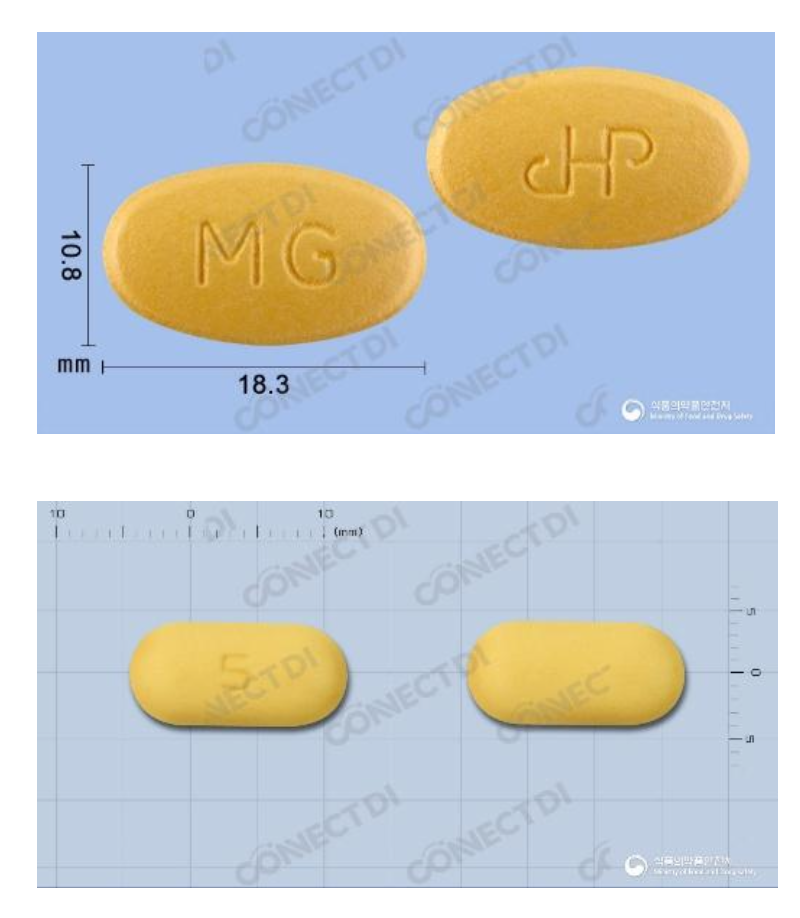
Of the remaining 36-day supply, 22 medication packets contained Gluriad. Seven packets contained two Gluriad tablets each, while several others contained a combination of one Gluriad tablet and one Magnes (magnesium) tablet. Under the physician’s original prescription, every packet should have contained exclusively two Magnes tablets.
Automated Dispensing Error and Pharmacy Response
According to drug safety guidelines from Daewoong Pharmaceutical, Gluriad carries explicit warnings regarding severe lactic acidosis and profound hypoglycemia, requiring extreme caution when administered to elderly or malnourished patients.
“If 22 out of 36 days’ worth of medication contained a blood sugar-lowering drug, simple math suggests that my mother took the wrong medication on six out of every ten days,” Yang said.
Yang confronted the large retail pharmacy located in front of a major university hospital in Seoul where the prescription was filled. In a handwritten letter of apology, the pharmacy’s chief operating pharmacist wrote: “Our dispensing process is automated by machinery, and we presume a medication of identical color and shape but different imprinting was mixed in. The employee responsible has been dismissed.”
The pharmacy committed to assigning two staff members to cross-check all dispensed medications moving forward and offered to process financial compensation through liability insurance. However, Yang expressed frustration over the approach, noting that presenting monetary settlements prior to an in-person apology failed to address the prolonged trauma suffered by his mother.
Industry Statistics and Legal Debates Over Negligence
Dispensing errors remain a persistent systemic challenge. According to 2025 statistics from the Korean Pharmaceutical Association’s Patient Safety Medication Management Center, 1,803 pharmacy dispensing incidents were reported nationwide that year. While roughly 45% involved errors in dosage or pill counts, cases where pharmacists dispensed an entirely wrong drug—such as Gluriad instead of Magnes—accounted for 241 cases, or 13% of all reported incidents.
A pharmacy industry insider told Comedydotcom that while the patient’s distress is undeniable, criminal liability remains difficult to establish when a pharmacy acknowledges an unintentional error, dismisses involved personnel, and implements preventive measures.
The Korean Pharmaceutical Association maintains a similar position, distinguishing simple human or mechanical mistakes from intentional alterations. Under Article 26, Paragraph 1 of the Pharmacy Act, pharmacists are prohibited from altering or modifying a prescription without explicit authorization from the prescribing clinician. However, judicial precedents consistently hold that Article 26 punishes intentional misconduct rather than accidental dispensing mix-ups.
Legal experts specializing in medical law argue otherwise. Attorney Shin Hyun-ho of the law office Haeul emphasized that unintentional dispensing errors can still meet the threshold for criminal liability under occupational negligence resulting in injury.
“An absence of intent does not automatically shield a professional from criminal responsibility,” Shin explained in an interview with Comedydotcom. “Occupational negligence arises when a professional breaches their standard duty of care through carelessness. The legal standards hinge on foreseeability and avoidability—whether the risk could be anticipated and whether proper measures could have prevented the outcome.”
Shin noted that because a pharmacist’s mandatory duties extend beyond mechanical filling to include verifying dispensed drugs and providing patient counseling, failure to catch look-alike errors indicates a clear breach of due diligence.
Yang noted that with nearly 2,000 dispensing incidents recurring annually, system-level accountability for healthcare consumers remains lacking. “If not for that nurse, I could have lost my mother without ever knowing why,” Yang said, adding that he intends to pursue formal legal and administrative action to advocate for patient safety rights.