Even when follow-up imaging confirms a patient’s cancer is well controlled with no signs of recurrence, clinical success remains incomplete if that individual suffers from severe fatigue, chronic pain, or crippling anxiety that prevents a return to daily life. A growing movement in global medicine is prompting healthcare providers to evaluate treatment outcomes not only by survival rates, but by how patients actually live after therapy.
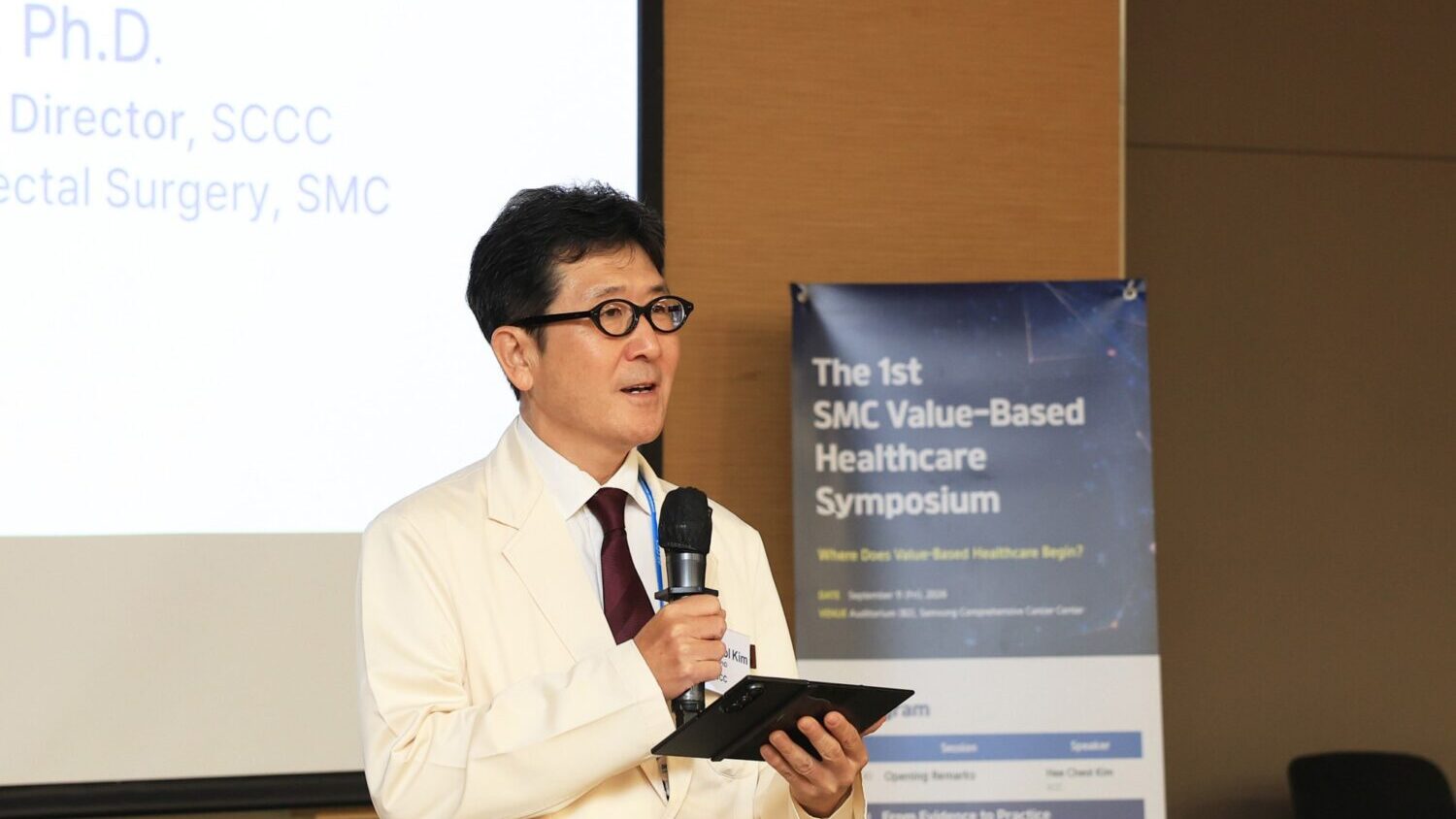
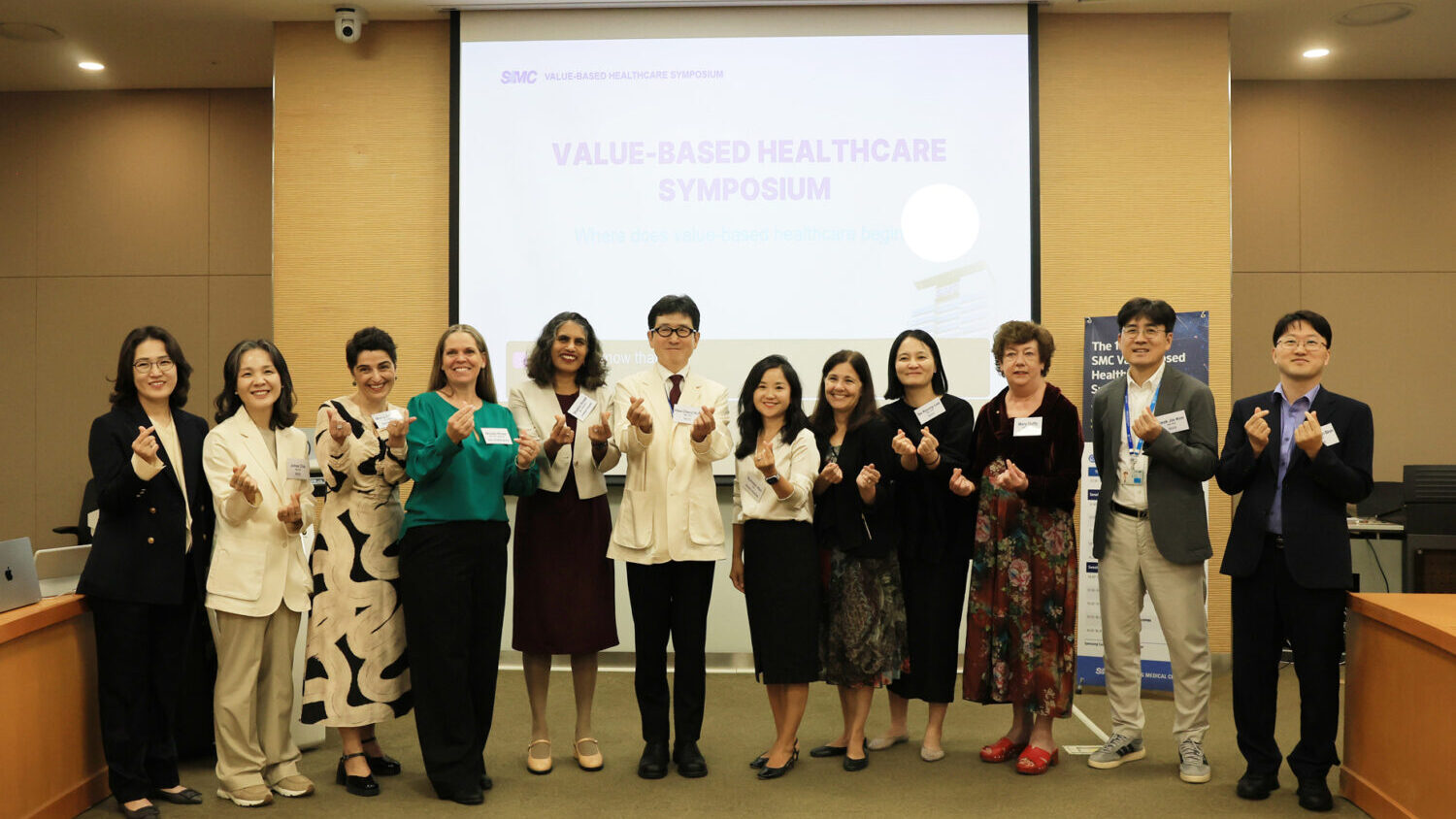
Samsung Medical Center announced on September 14 that it is expanding its value-based healthcare model—originally established for breast cancer—to encompass other major malignancies, starting with lung cancer. The announcement follows the hospital's hosting of the 1st Samsung Medical Center International Symposium on Value-Based Healthcare on September 11.
Tracking Patient-Reported Outcomes in Daily Care
Value-based healthcare prioritizes patient-centered results over treatment volume, measuring symptoms, functional status, and quality of life directly alongside traditional clinical markers. Based on standards established by the International Consortium for Health Outcomes Measurement (ICHOM), clinicians evaluate post-treatment conditions including pain, fatigue, depression, physical and social functioning, body image, and sexual health.
To gather this data, Samsung Medical Center incorporates patient-reported outcomes (PROs) into routine clinical workflows. Since 2018, the hospital's Cancer Center has surveyed non-metastatic breast cancer patients at the time of surgery and during every subsequent outpatient visit, maintaining a response rate exceeding 80%. This continuous tracking enables oncologists to monitor long-term recovery trends and adjust treatment plans using concrete longitudinal data. Building on this track record, Samsung Medical Center became the first medical institution in South Korea to achieve ICHOM Level 1 certification for non-metastatic breast cancer in April.
Expanding Across Oncology Disciplines
The Cancer Center is now applying this integrated framework to lung cancer care, combining patient-reported symptoms with clinical findings to guide daily treatment decisions, with long-term plans to roll out the approach hospital-wide.
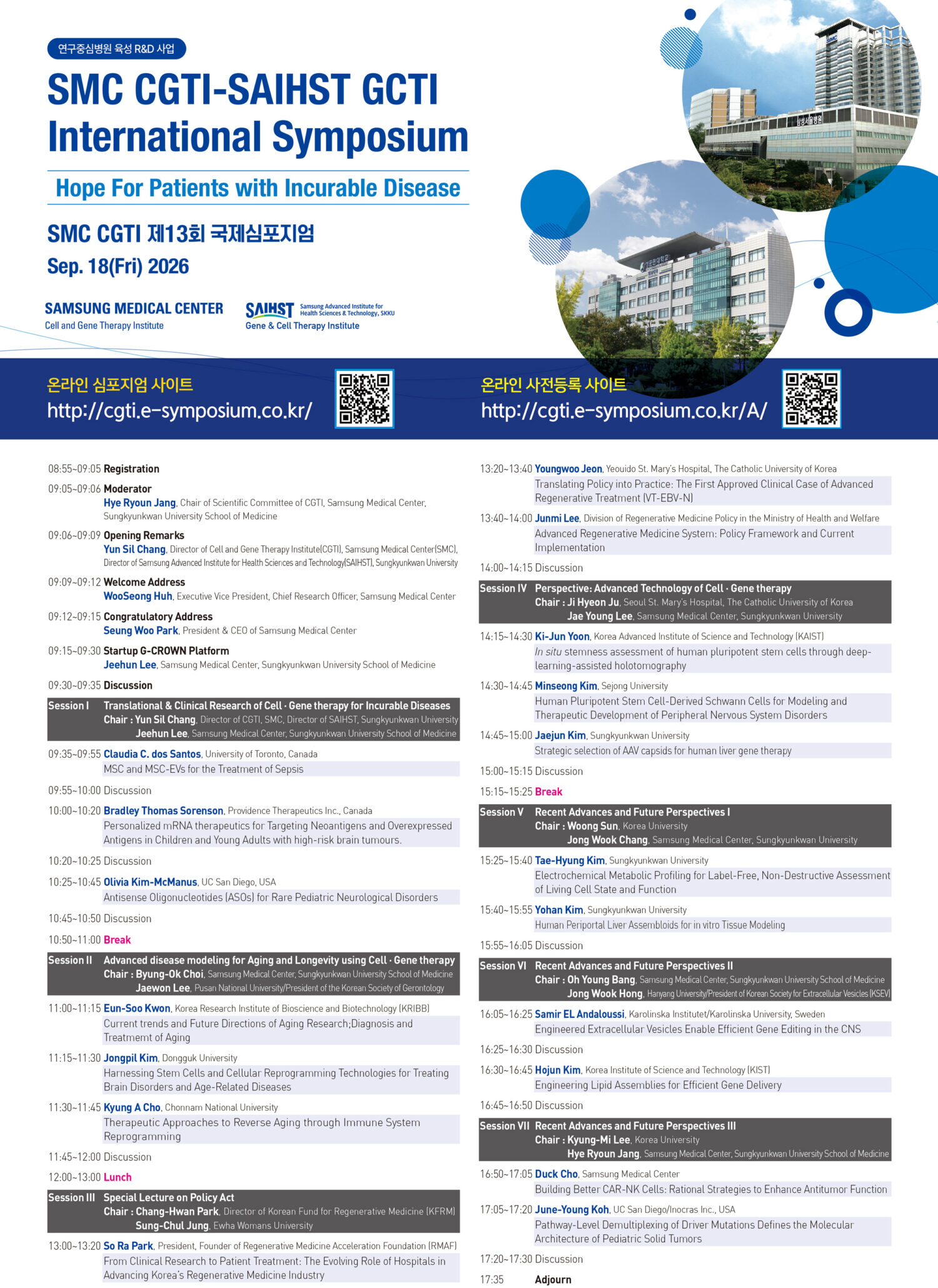
This strategic expansion served as a central theme during the recent international symposium, which featured sessions on clinical registries, AI-driven lung cancer research, multidisciplinary care, and geriatric oncology. International speakers included Heather Wakelee, former president of the International Association for the Study of Lung Cancer (IASLC) and chief of medical oncology at Stanford University School of Medicine; Summer Han, professor at the Stanford Cancer Institute; and representatives from Australia's Peter MacCallum Cancer Centre and the Liverpool Cancer Therapy Centre. Presenters from Samsung Medical Center included Shin Dong-hyun, professor at the Liver Cancer Center; Lee Se-kyung, professor at the Breast Cancer Center; and Yang Kyung-mi, professor in the Department of Radiation Oncology.
“Process-centered metrics such as procedure volume or average length of stay cannot fully capture the true health and quality of life patients regain after treatment,” said Kim Hee-chul, head of the Cancer Center at Samsung Medical Center. “We treat patient experience and quality of life as core components of clinical success.”