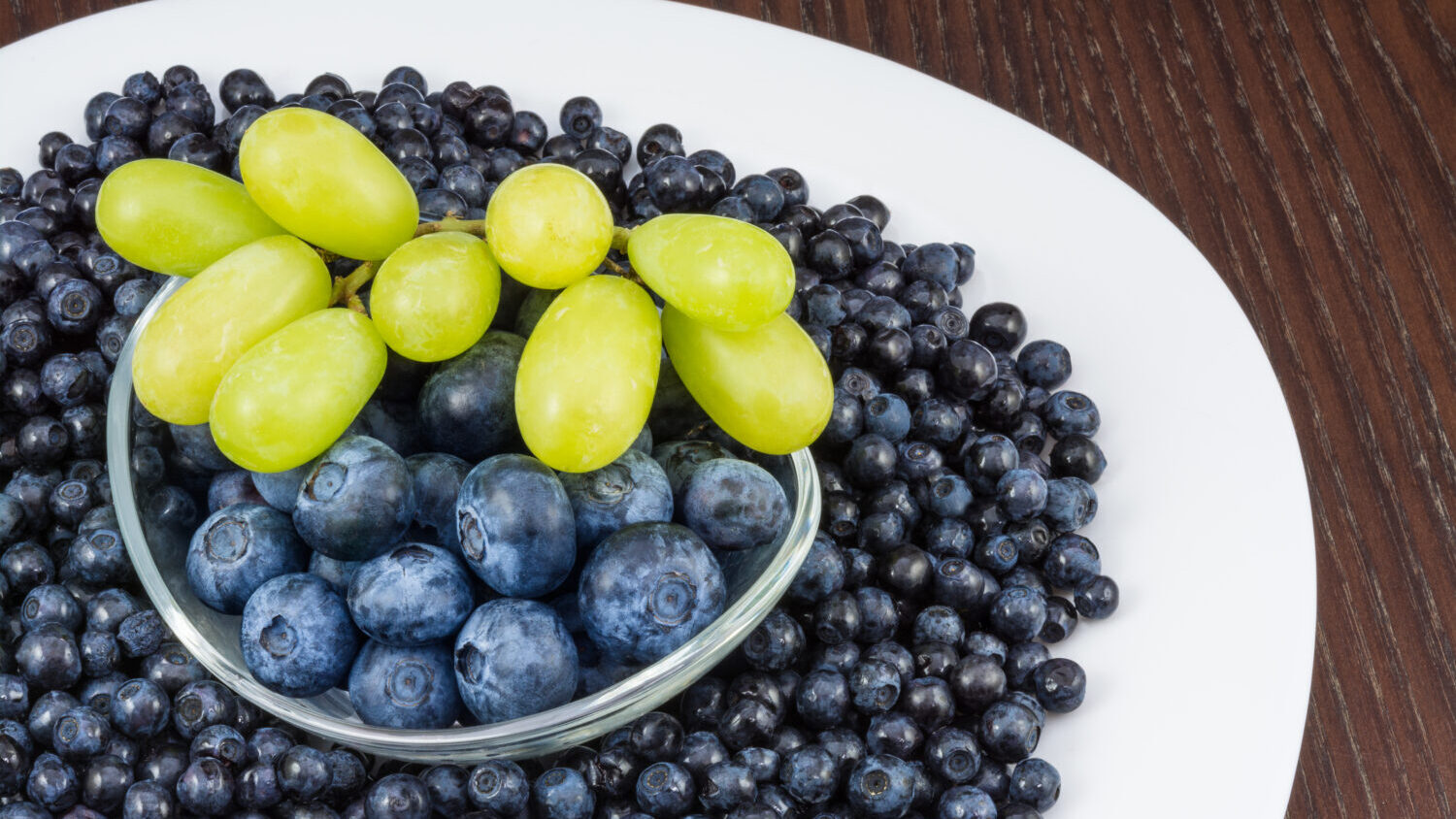
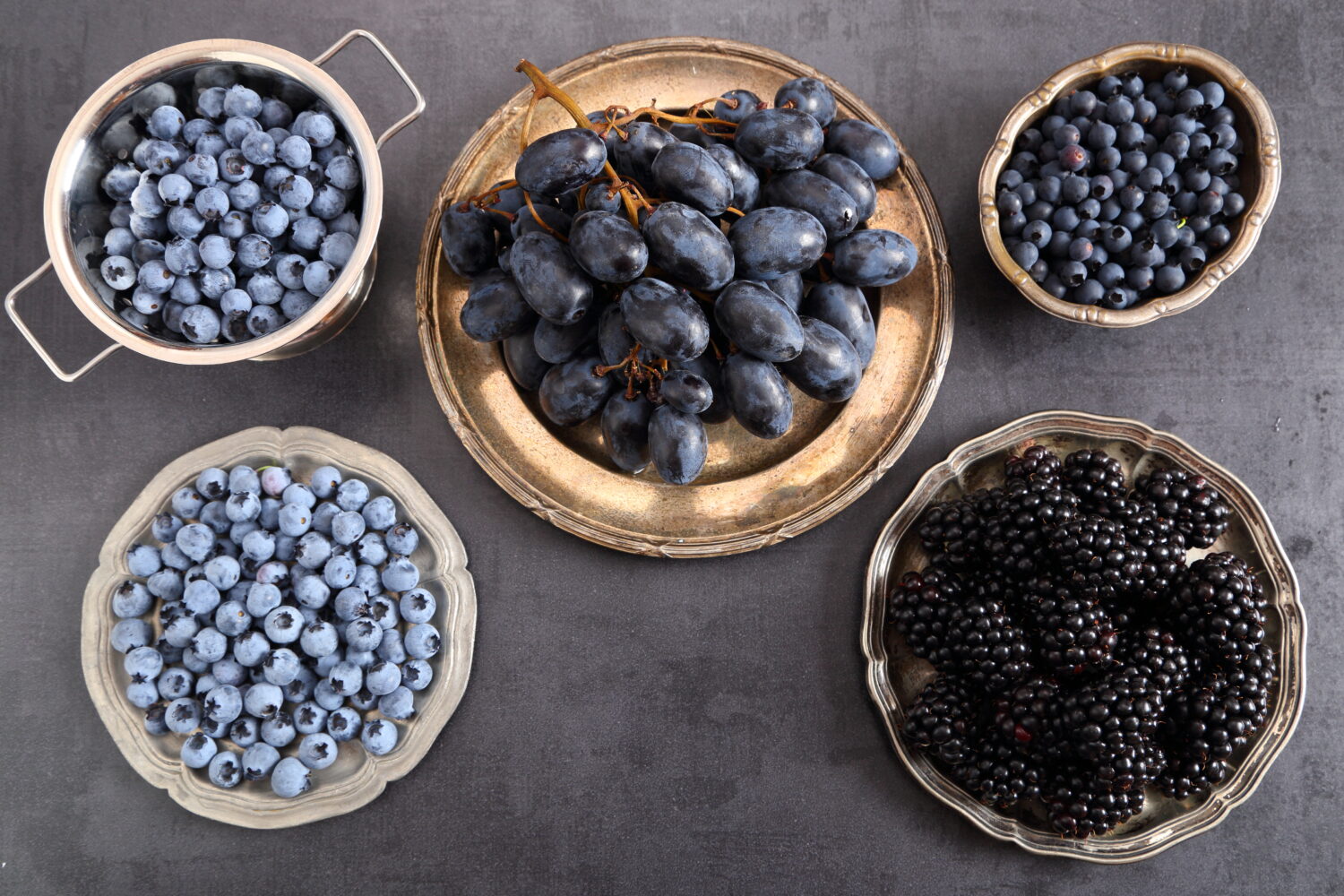
Blueberries and grapes have long been recognized for their health benefits, with blueberries serving as a staple in many weight-loss diets. Now, researchers have uncovered another compelling reason to include them on the menu. A new study shows that natural compounds in these fruits can directly break down fat accumulated in muscle cells and help prevent further buildup.
A research team led by Associate Professor Mitani Takakazu at Shinshu University in Japan confirmed that pterostilbene, a natural antioxidant found in berries such as blueberries and grapes, significantly reduces fat accumulation in muscle cells. The study, conducted using cultured mouse muscle cells, was published on the 1st in the international academic journal Food Bioscience. While pterostilbene was already known to benefit overall metabolism, researchers noted this is the first study to identify the specific mechanism by which it acts directly on muscle tissue.
The Hazards of Intramuscular Fat
Under normal physiological conditions, muscle tissue is not meant to store significant amounts of fat. High levels of fat in muscle indicate that excessive lipids have already accumulated in inappropriate areas such as the liver or internal organs. The health impact of fat varies depending on where it is stored: subcutaneous fat under the skin is relatively benign, whereas visceral fat wedged between organs and intramuscular fat worsen muscle quality and sharply increase the risk of fatty liver disease.
This ectopic fat accumulation stems from a combination of high-fat diets, physical inactivity, aging, and frequent alcohol consumption. When excessive fat builds up in muscle cells, the body's metabolic system breaks down, impairing its ability to use glucose and fatty acids for energy and sharply increasing insulin resistance, a leading cause of type 2 diabetes. Analyzing various food-derived compounds, the research team found that pterostilbene most effectively promotes fat breakdown by protecting PPAR-delta, a protein that governs cellular fat processing.
“This study presents an important scientific framework for developing functional foods and nutritional supplements that target fat metabolism in muscle,” said Mitani. “It will serve as a new starting point for dietary-therapy research aimed at addressing obesity, type 2 diabetes, and age-related declines in metabolic function.”
Cell-Level Findings Require Human Validation
Despite the promising results, health experts caution against expecting dramatic weight loss from blueberries or grapes based solely on cell experiments. They emphasize that consumers should not assume eating large quantities of fruit or taking supplements will yield immediate body fat reductions.
Johanna Katz, a registered dietitian in Florida, noted that lab experiments on cell models cannot fully reflect the complexity of human metabolism. She stressed that researchers must still confirm whether ingested pterostilbene survives digestion, absorption, and circulation to reach human muscle tissue at effective doses. “Because we cannot assume mouse muscle cells will respond in exactly the same way as the human body, follow-up studies in humans and animals are essential,” she said.
Even so, blueberries remain an ideal choice for dieting. In addition to pterostilbene, they are rich in diverse antioxidants and contain relatively low levels of calories and sugar. Grapes contain the same compound but are higher in natural sugars, so those on weight-loss diets should moderate their intake.