As autumn deepens, sweet, crisp pears enter peak season. Their refreshing juice and natural sweetness make them a popular choice for dessert or a mid-day snack. Composed largely of water, pears are also rich in dietary fiber, potassium, and polyphenols, offering a range of health benefits. Here is a closer look at the nutritional profile of fall pears, along with practical ways to enjoy them.
Fiber and Sorbitol Support Gut Health, While Peels Offer Antioxidants
Approximately 85% of a pear's flesh consists of water, making the fruit an effective option for quenching thirst and maintaining hydration. Pears are low in fat and contain potassium, an essential mineral that promotes sodium excretion and helps maintain healthy blood pressure levels.
Pears are also an excellent source of dietary fiber, which supports gastrointestinal function by increasing stool bulk and stimulating intestinal motility to promote regular bowel movements. In particular, the sorbitol found in pears draws water into the digestive tract, helping soften stool.
According to a review paper titled "Systematic Review of Pears and Health" by University of Minnesota researcher Holly Reiland and colleagues, the dietary fiber, fructose, and sorbitol in pears work synergistically to support gut health and bowel regularity. Beyond digestive benefits, pear fiber plays an important role in overall dietary balance.
Pears also contain potent antioxidants, including polyphenols, which help protect cells against free radical damage. Notably, pear peels harbor concentrated levels of polyphenols and dietary fiber, making unpeeled pears more nutritionally dense than peeled flesh alone.
When consuming unpeeled pears, wash the fruit thoroughly under running water to remove surface residue. For those who dislike the texture of the peel, pears can be thinly sliced into salads or finely chopped for cooking applications.
Culinary Uses: Soothing Baesuk and Natural Meat Tenderizers
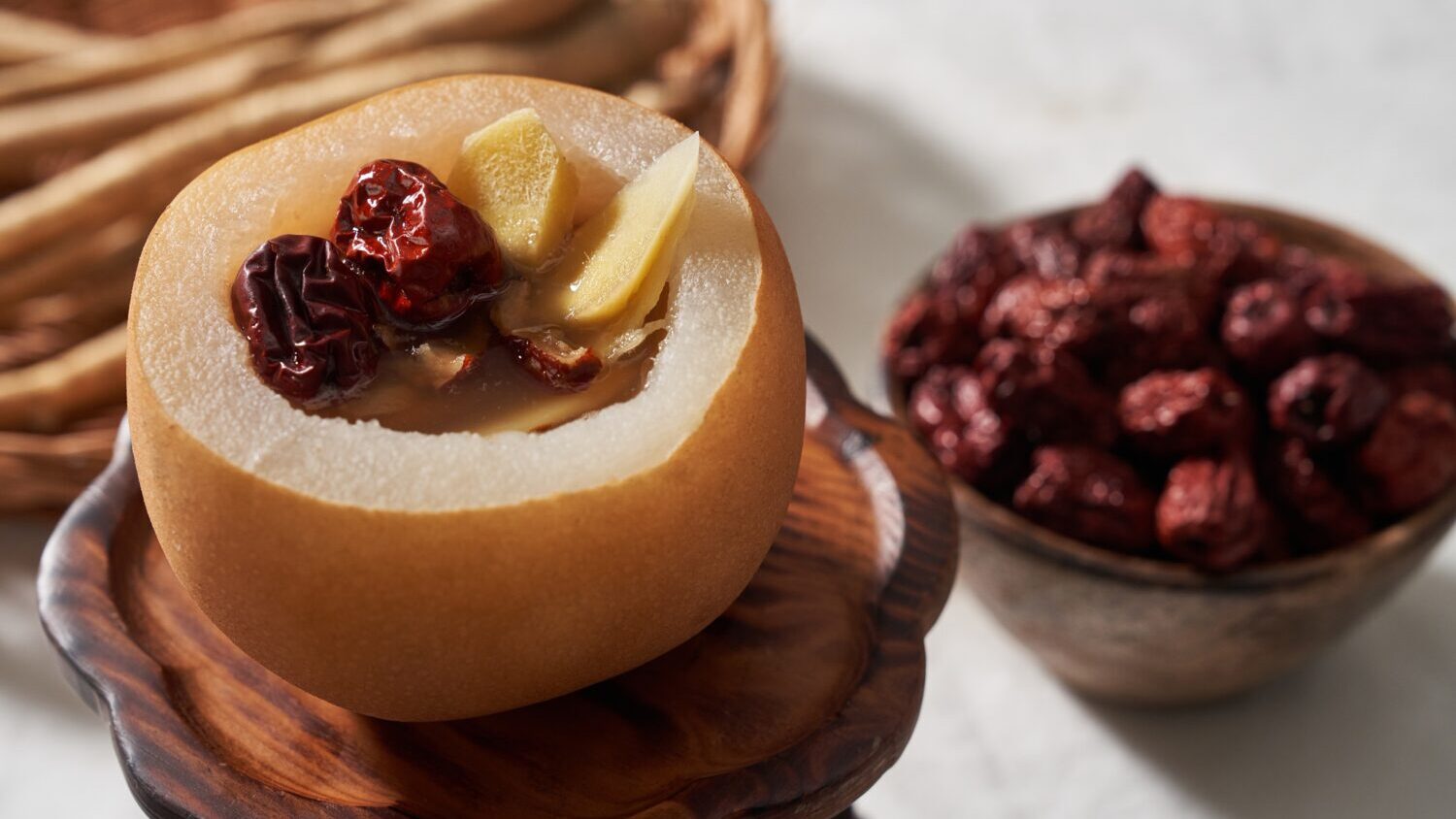
While enjoyably crisp when eaten raw, pears can also be prepared in a variety of culinary dishes. Warm baesuk—a traditional Korean simmered pear drink—is especially suited for fluctuating temperatures and dry weather during seasonal transitions, helping soothe a dry or scratchy throat and maintain hydration.
Preparing baesuk is straightforward: core the pear, cut the fruit into bite-sized pieces, and simmer in water. Optional ingredients such as ginger or jujubes can be added to enhance flavor. Because pears are naturally sweet, added sugars or honey should be kept to a minimum.
Pears also serve a practical function in savory cooking. Grated pear adds natural sweetness to meat marinades for bulgogi or galbi, while natural enzymes in pear juice act as a tenderizer. Additionally, thinly sliced pears pair well with lettuce, baby greens, and nuts in fresh autumn salads.
Portion Control Key for Blood Sugar and Digestive Sensitivity
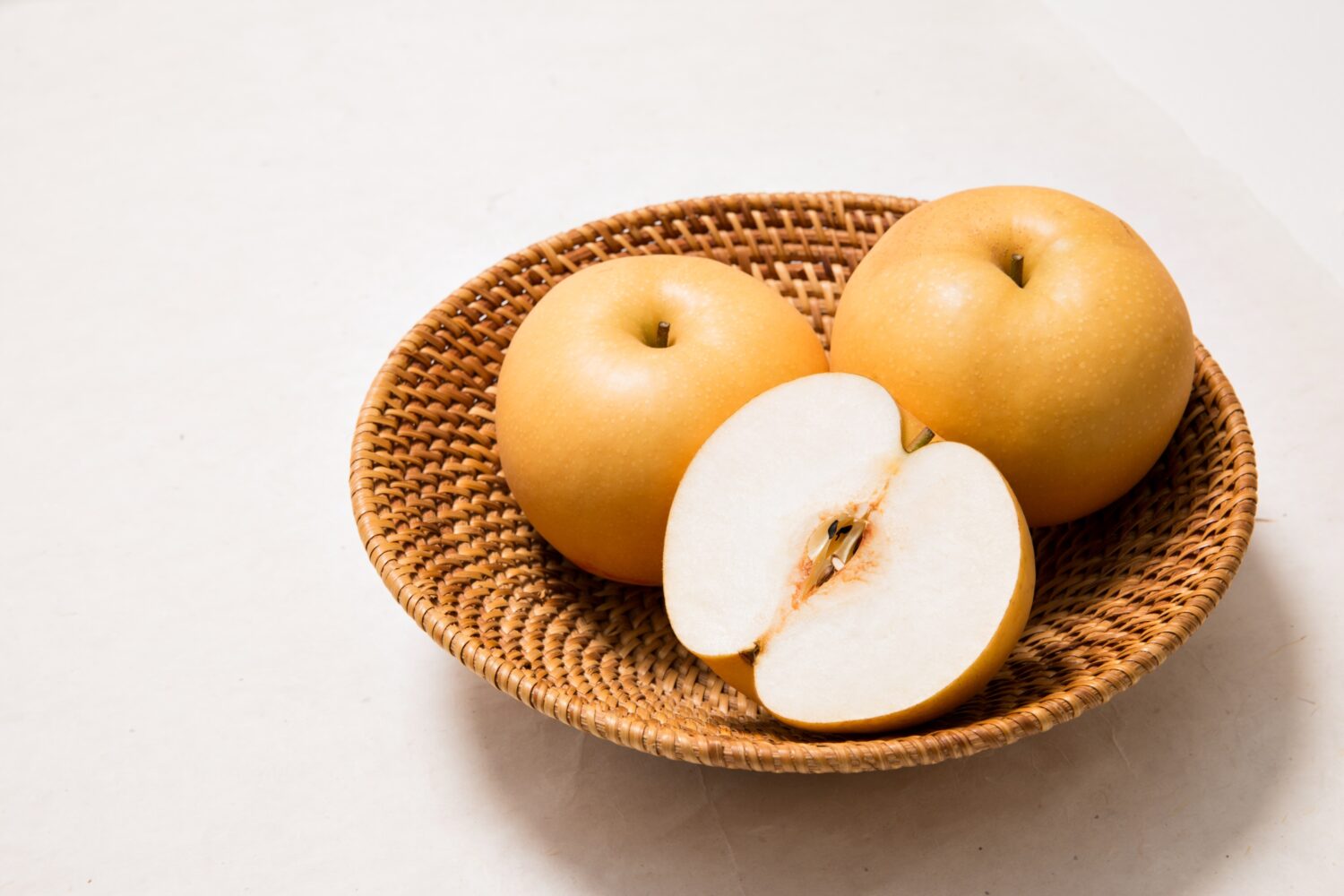
Despite their high water content, pears contain natural sugars, primarily fructose and glucose. Consuming a large pear in a single sitting delivers a significant carbohydrate and sugar load.
Consequently, individuals with diabetes or those managing blood glucose levels should practice portion control rather than consuming a whole fruit at once. Those who have already consumed a carbohydrate-heavy meal should further adjust their dessert portion.
In addition, consuming whole fresh fruit is preferable to drinking pear juice. Juicing strips beneficial fiber and makes it easy to consume excess calories and sugar in a short period.
Finally, the fructose and sorbitol in pears can trigger bloating or gas in sensitive individuals. Those with irritable bowel syndrome (IBS) or fructose malabsorption should adjust their intake to prevent abdominal discomfort.