Animal protein is widely celebrated as a "complete protein" because it contains all essential amino acids. Plant protein, by contrast, is often dismissed as "incomplete" due to lower levels of certain essential amino acids—leading many people to favor animal protein.
However, "complete" and "incomplete" are strictly biochemical terms describing an individual food's amino acid profile, not nutritional concepts that directly map onto human diets and health [1, 2].
In human nutrition, what matters is overall daily intake across a person's total diet rather than the protein in a single food. The human body maintains an active amino acid pool in the liver and bloodstream. Therefore, even if a single meal does not provide a perfectly complete set of essential amino acids, people can easily meet their needs by consuming a variety of plant-based foods throughout the day [3, 4].
Clinging to outdated misconceptions and consuming a diet dominated by animal protein carries severe health consequences, including premature death. That is because animal protein triggers five major chronic diseases. Today, however, we will first look at three of them.
1. Higher Cancer Risk
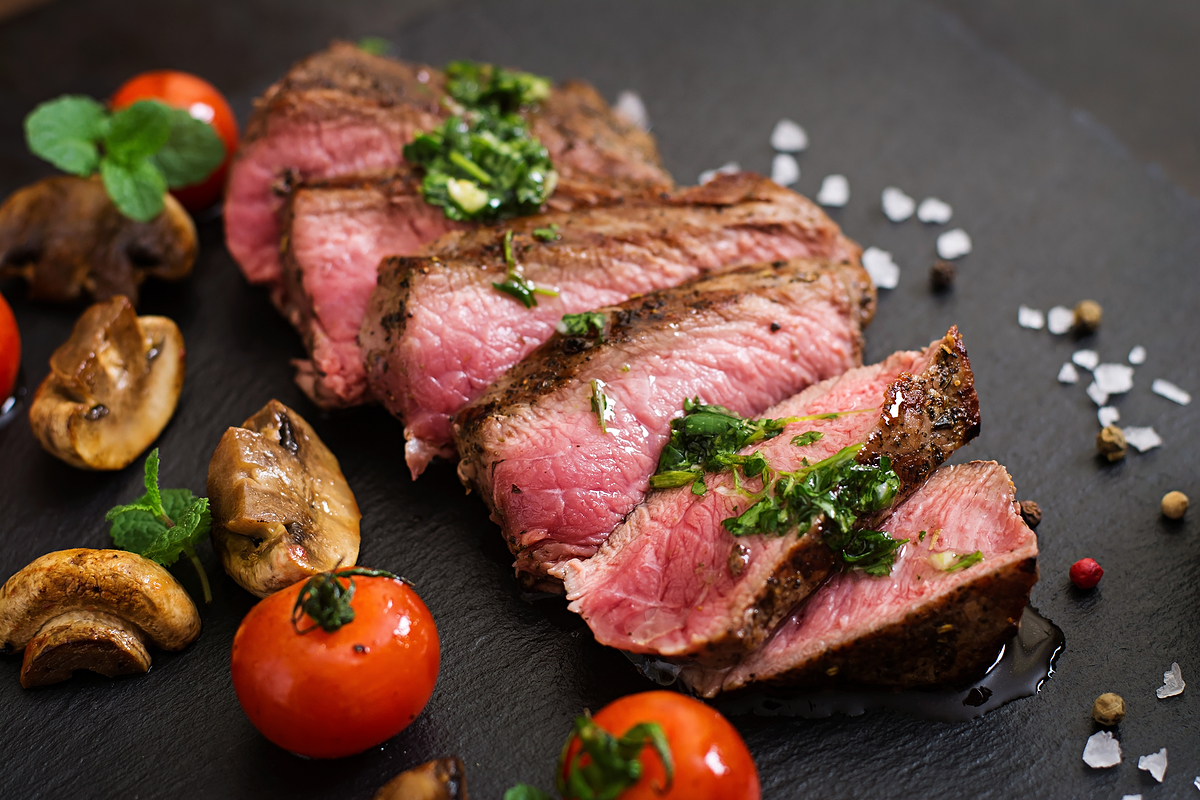
Animal protein—especially processed meat and red meat—is carcinogenic. On Oct. 26, 2015, the World Health Organization (WHO) classified processed meats such as ham and sausages as Group 1 carcinogens—highly carcinogenic, like tobacco—and red meats such as beef and pork as Group 2A carcinogens (probably carcinogenic to humans), stating that consumption increases the risk of colorectal, pancreatic, and prostate cancers [5].
2. Higher Risk of Hypertension and Cardiovascular Disease
Saturated fat and cholesterol, which are abundant in animal foods, contribute to atherosclerosis that narrows blood vessels, raising the risk of hypertension. Red meat, in particular, contributes significantly to high blood pressure.
A 2025 study from the University of California found that each additional 100 grams per day of red meat consumption was associated with a 14% higher risk of hypertension. The link was even stronger for processed red meat: each additional 50 grams per day was tied to a 12% higher risk of hypertension, with sodium and preservatives like nitrites and nitrates further elevating blood pressure [6].
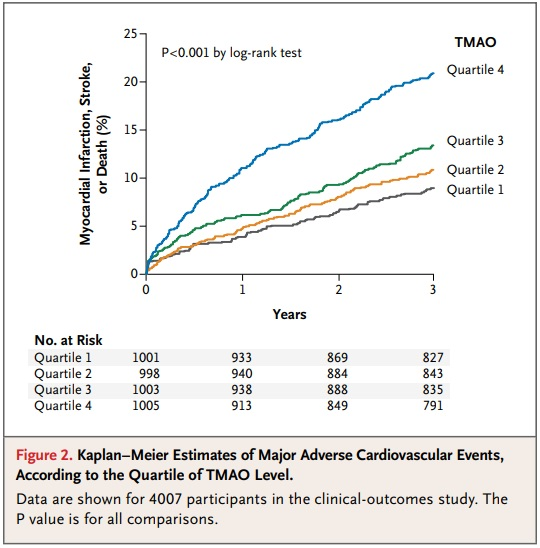
Furthermore, choline, which is abundant in animal foods like red meat and eggs, is broken down by gut microbes and converted in the liver into a vascular toxin called trimethylamine N-oxide (TMAO). TMAO causes inflammation in the inner lining of blood vessels and increases the risk of heart attack and stroke. In an NIH-sponsored study that followed 4,007 patients at the Cleveland Clinic for three years, the group with higher plasma TMAO levels had roughly a 2.5-times higher risk of major cardiovascular events than those with lower levels [7].
In 2024, a Harvard University analysis of three large-scale studies following nearly 200,000 health professionals over 30 years found that groups with a higher proportion of animal protein intake had 19% and 27% higher risks of cardiovascular disease and coronary artery disease, respectively, compared to those favoring plant protein [8].
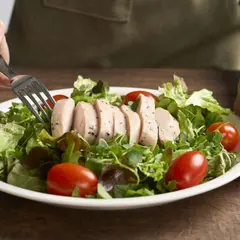
Replacing red meat with white meat (such as chicken or turkey) does not protect against cardiovascular disease. In a study at Oakland Hospital in California, researchers randomly assigned 113 healthy adults to diets centered on red meat, white meat, or plant-based foods for four weeks. Blood tests showed that both red and white meat increased LDL cholesterol and apolipoprotein B (ApoB)—a key factor driving atherosclerosis—demonstrating that white meat consumption is not safe for cardiovascular health either [9].
By contrast, plant protein contains no cholesterol, is low in saturated fat, and is very high in dietary fiber, helping lower cholesterol levels and blood pressure while protecting cardiovascular health.
3. Higher Risk of Type 2 Diabetes
Many people believe diabetes is caused solely by eating too many carbohydrates or sweet foods, but a primary cause is excessive saturated fat from animal foods. Diabetes develops due to insulin resistance caused by ectopic fat—greasy buildup inside muscle and liver cells [10].
When carbohydrates are broken down into glucose and enter the bloodstream, the pancreas secretes insulin, which acts like a key opening the cell door. When insulin binds to the insulin receptor on the cell membrane, it opens the glucose channel (GLUT4), allowing blood sugar to enter the cell [11].
Greasy buildup from excessive fat intake blocks the receptor, triggering insulin resistance. When glucose cannot enter cells and remains in the bloodstream, blood sugar levels rise, eventually leading to type 2 diabetes.
When you consume animal protein, saturated fat and cholesterol come with it. Excess cholesterol not only clogs blood vessels but also interferes with insulin signaling and destroys mitochondria inside pancreatic cells, worsening diabetes [12, 13]. A Western diet centered on red and processed meats is well known as a major cause of diabetes because it triggers insulin resistance [14, 15].
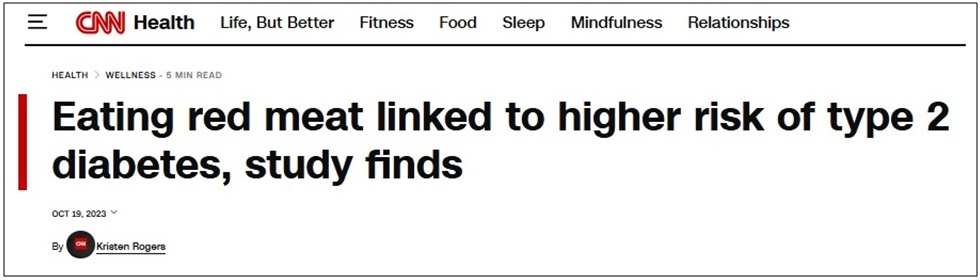
A 2023 Harvard University study tracking 210,000 people found that eating red meat just twice a week increased the risk of developing diabetes, with high red meat consumers showing a 62% higher risk of type 2 diabetes than low consumers [16]. This study drew widespread attention and was covered by CNN, which reported that meat consumption should be limited to prevent diabetes [17].
Ultimately, relying on animal protein touted as a "complete protein" increases your risks of cancer, hypertension, and diabetes—raising the risk of premature death. Do not be fooled by the phrase "complete protein." Plant protein, though labeled "incomplete," provides a far better foundation for your health.
(To be continued in the next installment)
Song Mu-ho, MD, Specialist in Orthopedic Surgery and Lifestyle Medicine
References
1. VR Young, PL Pellett. Plant proteins in relation to human protein and amino acid nutrition. Am J Clin Nutr 1994;59(5 Suppl):1203S-1212S.
2. J McDougall. Plant foods have a complete amino acid composition. Circulation 2002;105(25):e197-e197.
3. F Mariotti, CD Gardner. Dietary Protein and Amino Acids in Vegetarian Diets-A Review. Nutrients 2019;11(11):2661.
4. EJ Arentson-Lantz, Z Von Ruff, G Connolly, et al. Meals Containing Equivalent Total Protein from Foods Providing Complete, Complementary, or Incomplete Essential Amino Acid Profiles do not Differentially Affect 24-h Skeletal Muscle Protein Synthesis in Healthy, Middle-Aged Women. J Nutr 2024;154(12):3626-3638.
5. V Bouvard, D Loomis, KZ Guyton, et al. Carcinogenicity of consumption of red and processed meat. The Lancet Oncology 2015;16:1599-1600.
6. TS Allen, M Najem, AC Wood, et al. Red meat consumption and hypertension: an updated review. Current Cardiology Reports 2025;27(1):50.
7. WW Tang, Z Wang, BS Levison, et al. Intestinal microbial metabolism of phosphatidylcholine and cardiovascular risk. New England Journal of Medicine 2013;368(17):1575-1584.
8. AJ Glenn, F Wang, AJ Tessier, et al. Dietary plant-to-animal protein ratio and risk of cardiovascular disease in 3 prospective cohorts. The American Journal of Clinical Nutrition 2024;120(6):1373-1386.
9. N Bergeron, S Chiu, PT Williams, et al. Effects of red meat, white meat, and nonmeat protein sources on atherogenic lipoprotein measures in the context of low compared with high saturated fat intake: a randomized controlled trial. The American journal of clinical nutrition 2019;110(1):24-33.
10. VT Samuel, GI Shulman. Mechanisms for insulin resistance: common threads and missing links. Cell 2012;148(5):852-871.
11. J van Gerwen, AS Shun-Shion, DJ Fazakerley. Insulin signalling and GLUT4 trafficking in insulin resistance. Biochem Soc Trans 2023;51(3):1057-1069.
12. M Warda, S Tekin, M Gamal, et al. Lipid rafts: novel therapeutic targets for metabolic, neurodegenerative, oncological, and cardiovascular diseases. Lipids in health and disease 2025;24(1):147.
13. B Manandhar, E Pandzic, N Deshpande, et al. ApoA-I protects pancreatic β-cells from cholesterol-induced mitochondrial damage and restores their ability to secrete insulin. Arteriosclerosis, Thrombosis, and Vascular Biology 2024;44(2):e20-e38.
14. RM van Dam, EB Rimm, WC Willett, et al. Dietary patterns and risk for type 2 diabetes mellitus in U.S. men. Ann Intern Med 2002;136:201–209.
15. TT Fung, M Schulze, JE Manson, et al. Dietary patterns, meat intake, and the risk of type 2 diabetes in women. Arch Intern Med 2004;164:2235–2240.
16. X Gu, JP Drouin-Chartier, FM Sacks, et al. Red meat intake and risk of type 2 diabetes in a prospective cohort study of United States females and males. The American Journal of Clinical Nutrition 2023;118(6):1153-1163.
17. CNN Health https://edition.cnn.com/2023/10/19/health/red-meat-type-2-diabetes-risk-study-wellness/index.html