As populations age, the treatment paradigm for degenerative knee osteoarthritis is shifting from early artificial joint replacement toward joint-preserving therapies. This approach is gaining traction among patients aged 65 and older with Stage 3 (mid-stage) osteoarthritis who wish to delay or avoid major surgery. Among emerging nonsurgical options, autologous adipose-derived stromal vascular fraction (SVF) injection therapy is drawing significant medical interest.
Yonsei Sarang Hospital, a joint-specialty hospital designated by the Ministry of Health and Welfare, announced Sept. 1 that a two-year clinical follow-up of 100 Stage 3 osteoarthritis patients aged 65 and older who received SVF therapy showed that only 1% underwent knee replacement surgery during the monitoring period. Hospital officials noted that the figure represents an internal clinical follow-up tally rather than a controlled study with a comparative cohort.
Stage 3 degenerative osteoarthritis involves substantial cartilage damage, causing pronounced pain and mobility limitations. Older patients frequently present with underlying chronic conditions such as hypertension or diabetes, making total joint replacement—which requires general anesthesia and significant surgical incisions—a higher-risk undertaking.
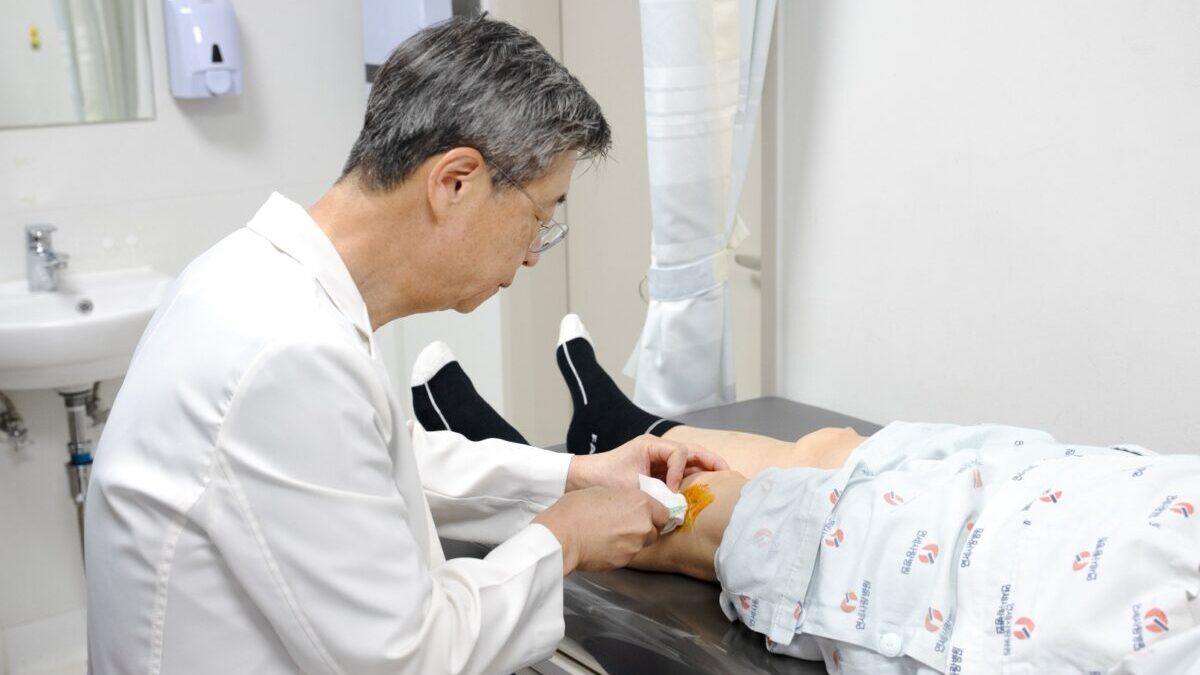
SVF therapy utilizes the patient’s own tissue. Adipose tissue harvested from the patient's abdomen or thigh is processed via centrifugation to isolate the stromal vascular fraction, which is then injected into the knee joint cavity. The resulting isolate contains a high concentration of stem cells, vascular cells, and immune-modulating cells that reduce inflammation and improve the intra-articular environment. Because autologous tissue is used, the risk of immune rejection is minimal, and the injection-based delivery significantly reduces the physical burden on the patient.

In May 2024, the National Evidence-based Healthcare Collaborating Agency (NECA), under the Ministry of Health and Welfare, officially recognized intra-articular SVF injection as a new medical technology for knee osteoarthritis. Regulatory approval is limited to Kellgren-Lawrence (KL) grades 2 and 3—representing early- to mid-stage arthritis—and excludes KL grade 4 patients with end-stage joint destruction.
Clinical research supporting the procedure has been published in international academic journals. In a study led by Ko Yong-gon, director of Yonsei Sarang Hospital, published in the journal Medicina, visual analog scale (VAS) pain scores among 146 patients with KL grade 2 to 4 osteoarthritis decreased from an average of 6.5 prior to treatment to 3.1 at final follow-up—a reduction of nearly 50%. Patients experienced noticeable pain relief after an average of 18.9 days.
A subsequent 12-month study tracking 266 patients evaluated predictors of therapeutic success. The analysis revealed no statistically significant correlation between patient age and the degree of pain reduction. Instead, higher body mass index (BMI), greater baseline disease severity, and lower harvested SVF cell counts were associated with diminished treatment efficacy, indicating that body weight, severity, and cell yield—rather than age—are the primary determinants of clinical outcome.
"The core goal in managing knee osteoarthritis is extending the functional lifespan of the patient's natural joint comfortably and without pain," Ko said. "The 1% surgical conversion rate observed in this two-year follow-up demonstrates that SVF therapy can serve as a viable strategy to delay surgery and enhance quality of life for older patients."
Medical experts emphasize that SVF injection therapy is not a universal solution for all osteoarthritis cases. It remains an option primarily for early- to mid-stage patients whose joint degradation has not progressed to the point where surgery is mandatory—particularly older individuals facing elevated surgical risks due to chronic comorbidities. Patients are advised to evaluate both joint condition and overall health in consultation with specialists when determining the timing of treatment.