Whenever a control dispute or internal conflict erupts at Hanmi Group, one phrase reliably resurfaces: the “Lim Sung-ki spirit.” The term broadly refers to the management philosophy of the late founding chairman, though it was never codified into a single slogan. Even so, official company materials describe Lim as embracing “respect for people” and “value creation” as core principles, while emphasizing continuous innovation and challenge driven by the belief that superior medicines should be developed using domestic technology.
Is Hanmi Group truly living up to the "Lim Sung-ki spirit"? The phrase resurfaced earlier this year during a clash between Shin Dong-kook—chairman of Hanyang Precision and the largest individual shareholder of Hanmi Science—and Park Jae-hyun, CEO of Hanmi Pharmaceutical, over a sexual misconduct incident at the company's Paltan plant. Allegations emerged that a senior executive at Paltan had engaged in sexual misconduct, and Park stated that Shin improperly intervened in the investigation and disciplinary process. Shin denied the claim.
As the conflict intensified, Chairwoman Song Young-sook intervened, asserting: “Founding Chairman Lim Sung-ki stressed that next-generation management at Hanmi should move toward an advanced governance structure in which professional managers take the lead and major shareholders support them through the board.” She added, “To prevent this from happening again, I ask the professional managers at each company to further overhaul relevant systems and internal control mechanisms in a fair and transparent manner.” In effect, Song invoked the founder's legacy to defend managerial independence while taking direct aim at Shin’s alleged interference.
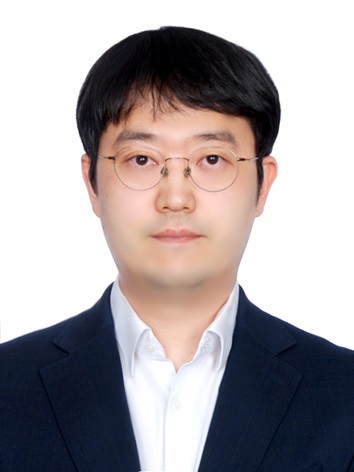
Now, Song herself faces scrutiny under that very same standard. Kim Tae-ho, former CEO of Cure Therapeutics—who previously worked at Hanmi Pharmaceutical and served in Lim Sung-ki’s secretariat—recently alleged that Song used a corporate credit card for personal expenses. Kim urged that "the Lim Sung-ki spirit must be restored," adding, "The late chairman emphasized compliance management, which requires self-correction and functional internal controls."
While the allegations raised by Kim remain unverified, the underlying issue extends beyond personal claims. Few would dispute that equal principles must apply across the board: managerial independence and "respect for people" in the controversy surrounding Shin's alleged interference, and fair, transparent internal controls regarding Song's corporate card usage.
If corporate expenditures are permitted under company policy, the rationale should be disclosed; if they violate policy, the funds should be recouped. Similarly, if Shin’s management involvement constituted a legitimate exercise of shareholder rights, its scope and justification should be clearly explained. Ultimately, the board and audit committee must make that determination.
Every time internal strife erupts at Hanmi Group, rival factions weaponize the "Lim Sung-ki spirit" to criticize their opponents. Yet it is worth asking whether those invoking his legacy have held themselves to that same standard. "Respect for people" is demonstrated through victim protection and impartial investigations; professional management is upheld through clear boundaries on shareholder intervention; and fairness is maintained through rigorous audit procedures that monitor executive asset use.
Hanmi Group does not suffer from a lack of voices invoking the "Lim Sung-ki spirit"—too many already do. What it lacks is an institutional system that enforces that spirit without exception, applying equally to major shareholders and the founder's family. The founder’s legacy should endure not as a convenient political slogan brandished during power struggles, but as an active, foundational principle governing everyday business.