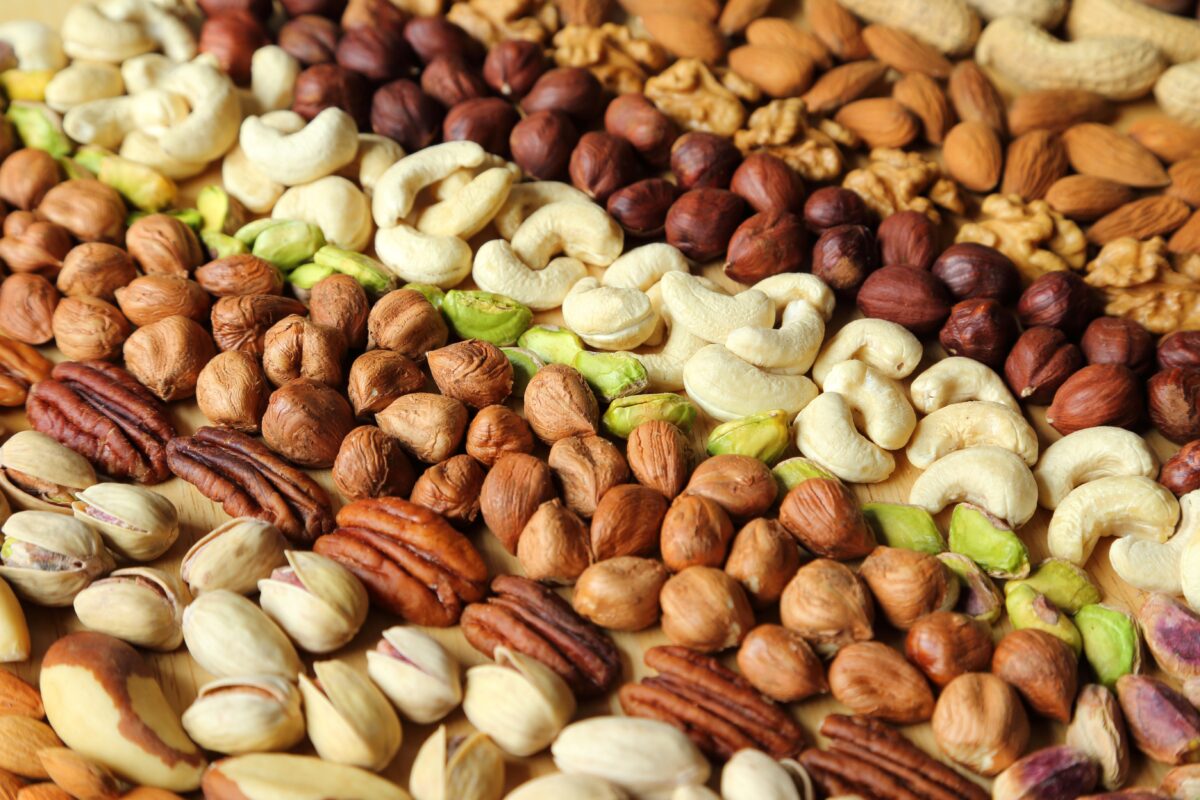
Nuts like almonds, walnuts, pine nuts, and peanuts are often shunned by weight-conscious individuals due to their high fat and caloric density. However, much of the lipid content in nuts consists of unsaturated fatty acids that actively support blood vessel function and cholesterol regulation.
Unsaturated Fats Support Cardiovascular Health
Nuts provide a nutrient-dense profile: almonds supply protein and vitamin E; walnuts offer alpha-linolenic acid, an omega-3 fatty acid; pine nuts deliver protein and magnesium; and peanuts provide protein and dietary fiber. Replacing saturated fats—found in fatty meats and butter—with unsaturated fats is critical for vascular health. Saturated fats elevate low-density lipoprotein (LDL) cholesterol, contributing to arterial plaque buildup, atherosclerosis, and an increased risk of myocardial infarction and stroke.
Consequently, health authorities, including the Korea Disease Control and Prevention Agency (KDCA), recommend consuming high-quality unsaturated fats while limiting saturated and trans fats to prevent and manage dyslipidemia. Clinical research supports this approach. A meta-analysis led by researchers at Rovira i Virgili University in Spain evaluated multiple clinical trials and found that participants who consumed nuts showed significant reductions in total cholesterol, LDL cholesterol, and triglycerides compared to control groups.
Satiety and Incomplete Absorption Prevent Weight Gain
Although fat yields 9 calories per gram, clinical evidence indicates that nut consumption does not translate directly into weight gain or increased body fat. In a meta-analysis titled "Should we worry about weight gain from high-fat nuts?", a research team led by Stephanie Nishi at the University of Toronto analyzed randomized controlled trials and found no significant increases in body weight, body mass index (BMI), body fat percentage, or waist circumference among nut consumers. Furthermore, long-term cohort studies demonstrated that higher nut intake was associated with a lower overall risk of overweight and obesity.
Researchers attribute this outcome to several mechanisms. The combination of protein, dietary fiber, and healthy fats in nuts promotes satiety, naturally reducing subsequent calorie intake. Additionally, because nuts possess a rigid cellular structure, a portion of their fat passes through the digestive tract without being fully absorbed. Nevertheless, experts emphasize that nuts should be used as a replacement for high-calorie, low-nutrient snacks like cookies rather than added on top of a full daily diet.
Refrigeration Protects Against Oxidation and Rancidity
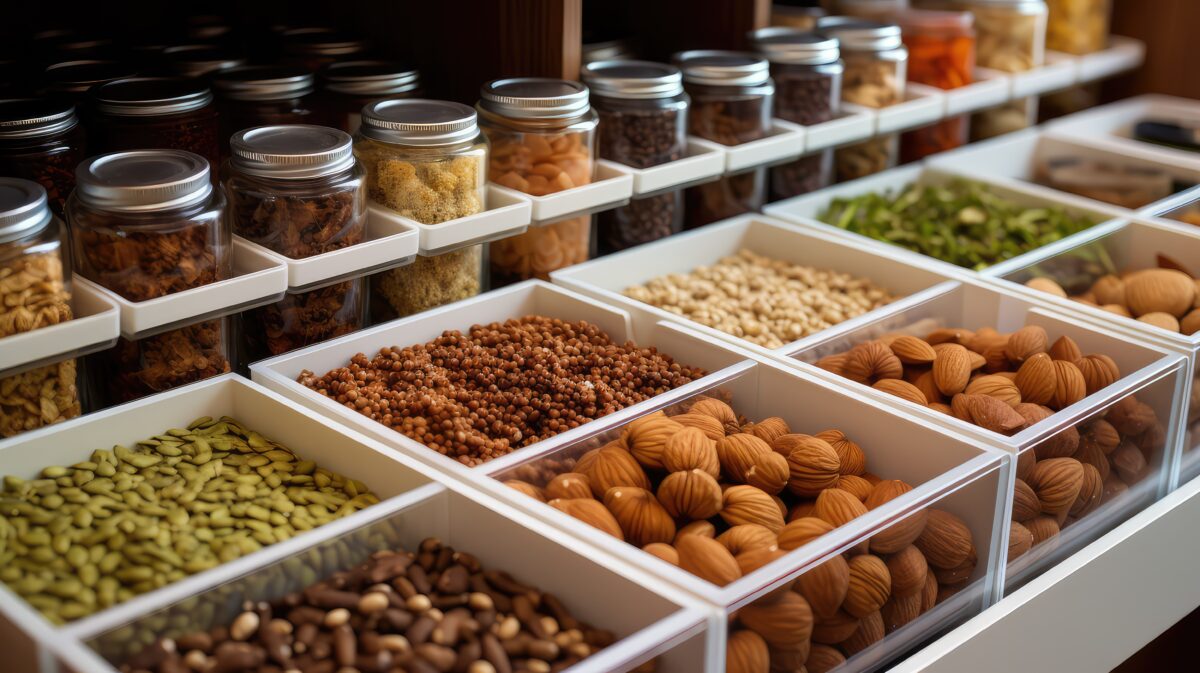
Because nuts are rich in fats, long-term exposure to heat, air, and humidity causes oxidation, destroying flavor and producing a stale, rancid odor alongside potential mold growth.
The Ministry of Food and Drug Safety (MFDS) advises storing moisture-sensitive foods like nuts in environments with humidity below 60% and temperatures between 10°C and 15°C. For extended storage, nuts should be placed in airtight containers and kept refrigerated or frozen. Buying smaller quantities or portioning bulk purchases into sealed individual servings also limits repeated exposure to oxygen and moisture.