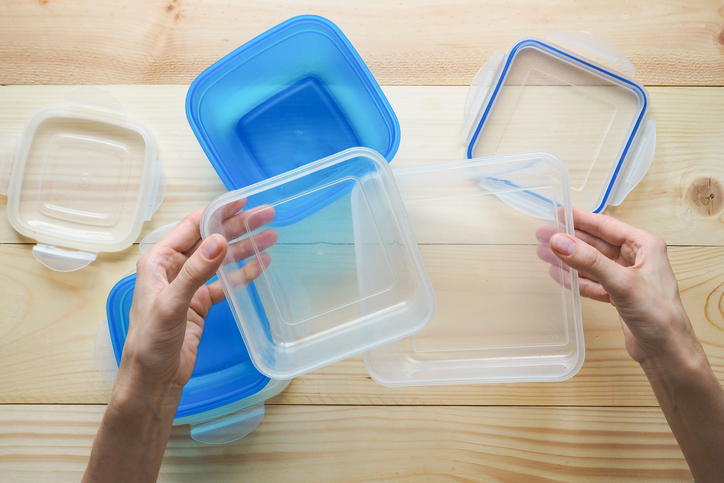
Airtight food containers are an indispensable kitchen staple, making it easy to store virtually any leftover or side dish. However, storing strongly aromatic foods—such as kimchi, salted seafood, doenjang (fermented soybean paste), or fish—can cause pungent odors to permeate the material and linger indefinitely. Plastic containers are particularly prone to absorbing these odor molecules, often retaining stubborn smells even after a thorough washing.
Utilizing Sunlight, Rice-Rinse Water, and Natural Absorbents to Neutralize Odors
The simplest remedy for a smelly container is direct sunlight. After washing the container thoroughly, placing it in a sunny spot to dry completely can noticeably reduce trapped odors. If the smell persists, fill the container with water mixed with flour, baking soda, or rice-rinse water, and let it sit for several hours up to a full day. Rice-rinse water is particularly effective at lifting deeply embedded kimchi odors. Following this soak with another round of sun-drying will further optimize the results.
Alternative absorbents like coffee grounds and green tea leaves are also highly effective. Placing completely dried coffee grounds or used, dried green tea leaves inside the container, sealing the lid, and letting it sit for a day allows them to naturally draw out the odors. Charcoal or activated carbon can be utilized in the same manner due to their highly porous, odor-absorbing properties.
Lemon serves as another powerful, natural deodorizer. Wiping the interior surfaces with fresh lemon slices or a diluted lemon juice solution eliminates foul odors while leaving a clean, fresh scent. Briefly soaking the container in a diluted vinegar solution yields similar benefits, though it requires a thorough rinsing afterward to ensure the sharp vinegar scent itself does not linger.
Sanitizing Rubber Gaskets to Prevent Bacterial Growth and Mold
The silicone or rubber gasket embedded in airtight lids is a frequent source of unpleasant smells if it is not meticulously maintained. When trapped food residue and moisture accumulate beneath the seal, they create an ideal environment for mold and bacteria to thrive.
To clean it properly, remove the gasket entirely and use a small brush or toothbrush to scrub the crevices thoroughly. If mold has already developed, soak the gasket in a solution of water mixed with baking soda and sodium percarbonate (oxygen bleach) before scrubbing it clean. If the gasket exhibits severe discoloration, tearing, or permanent warping, replacing it entirely is the most hygienic option. While a slightly stretched gasket can sometimes be shrunk back to size by briefly dipping it in hot water, older seals that have lost their elasticity should be discarded.
Proactive Storage Habits and the Advantages of Glass Containers
To prevent odors from embedding themselves in the first place, it is best to designate separate, dedicated containers exclusively for highly aromatic items like kimchi or salted seafood. Always wash containers immediately after use and ensure they are fully dry before putting them away.
When storing empty containers in the cupboard, leaving the lids slightly ajar rather than snapped shut prevents moisture and stale air from becoming trapped inside. Placing a piece of crumpled newspaper or a paper towel inside can also help absorb residual odors during storage.
Furthermore, storing hot or exceptionally greasy foods in plastic for extended periods causes stains and smells to set more deeply. For individuals who frequently handle strongly scented ingredients, transitioning to glass airtight containers is highly recommended. Glass is non-porous, meaning it absorbs significantly fewer odors and pigments than plastic, releases residues easily during washing, and simplifies long-term kitchen hygiene.