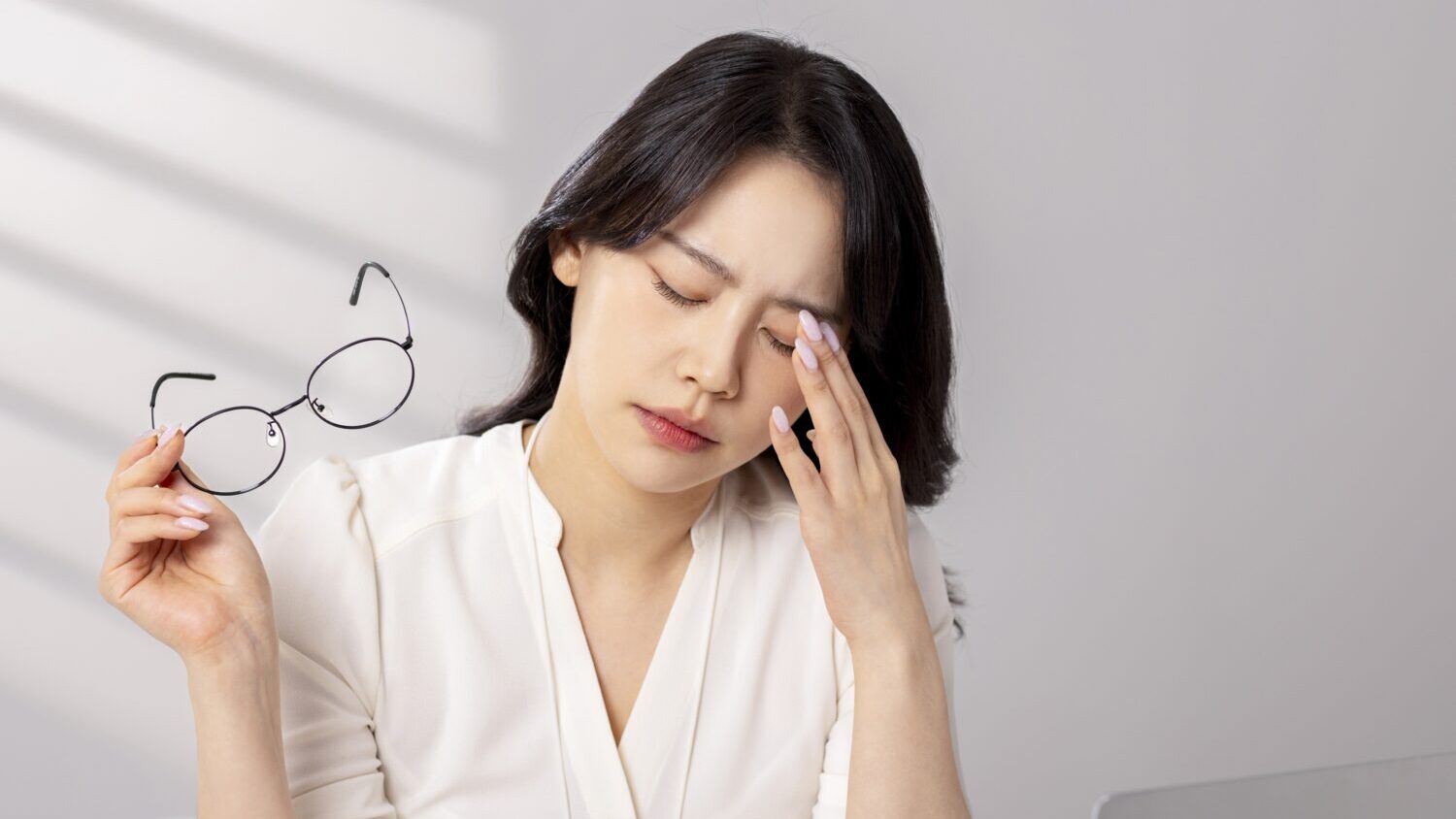
As autumn sets in, many people experience a gritty, irritating sensation in their eyes—as if grains of sand have slipped beneath the lids. Morning and evening breezes, combined with the activation of indoor heating, cause moisture on the ocular surface to evaporate rapidly. When discomfort flares, evaluating daily routines is often the best first step toward relief.
The Mechanism Behind Moisture Loss and Rapid Evaporation
Dry eye syndrome occurs when the body produces insufficient tears or when tears evaporate too quickly, leaving the ocular surface unprotected. Symptoms range from stinging, grittiness, and redness to temporary blurred vision. Paradoxically, the condition can also trigger reflex tearing, causing the eyes to water frequently in response to surface irritation.
Tears consist of a delicate balance of water, oils, and mucus. Oils seal the tear film to prevent evaporation, while mucus ensures tears spread evenly across the cornea. The meibomian glands, located along the margins of the eyelids, secrete this essential lipid layer. When these glands become clogged or dysfunctional, tears evaporate rapidly, leading to dry eye symptoms even if watery tear production remains adequate.
Environmental conditions during autumn exacerbate the problem. Cool winds, dropping humidity levels, and forced warm air from heaters directly blowing across the face accelerate tear evaporation. Experts advise maintaining comfortable indoor humidity levels and adjusting vehicle or home air vents away from the face to shield the eyes.
Screen Time and the Blinking Deficit
Extended screen time on computers and smartphones represents another major driver of seasonal eye strain. Focusing intently on digital displays drastically reduces the natural blink rate, allowing the tear film to break down faster.
According to Kim Myoung-joon, a professor of ophthalmology at Asan Medical Center, healthy individuals typically blink once every four to five seconds. However, that frequency drops by more than half when staring at a screen. Furthermore, incomplete blinks—where the eyelids fail to close entirely—become far more common, preventing tears from fully coating the eye.
To counteract digital eye strain, ophthalmologists recommend taking structured breaks, such as following the "20-20-20 rule": every 20 minutes, look away from the screen and focus on an object at least 20 feet (6 meters) away for 20 seconds. Positioning computer monitors slightly below eye level also reduces the exposed surface area of the eye, slowing evaporation. Additionally, making a conscious effort to blink fully and avoiding prolonged smartphone use in bed before sleep can help preserve moisture.
Beyond Artificial Tears: Preservatives and Warm Compresses
While artificial tears provide immediate relief, users should pay close attention to their formulation. According to the Korea Disease Control and Prevention Agency, artificial tears containing preservatives should be limited to a maximum of four applications per day, as repeated exposure to preservatives can irritate the corneal surface. For individuals requiring more frequent lubrication, single-use, preservative-free eye drops are recommended. Thicker formulations, such as ophthalmic gels and ointments, provide longer-lasting relief but can cause temporary blurriness, making them ideal for bedtime use.
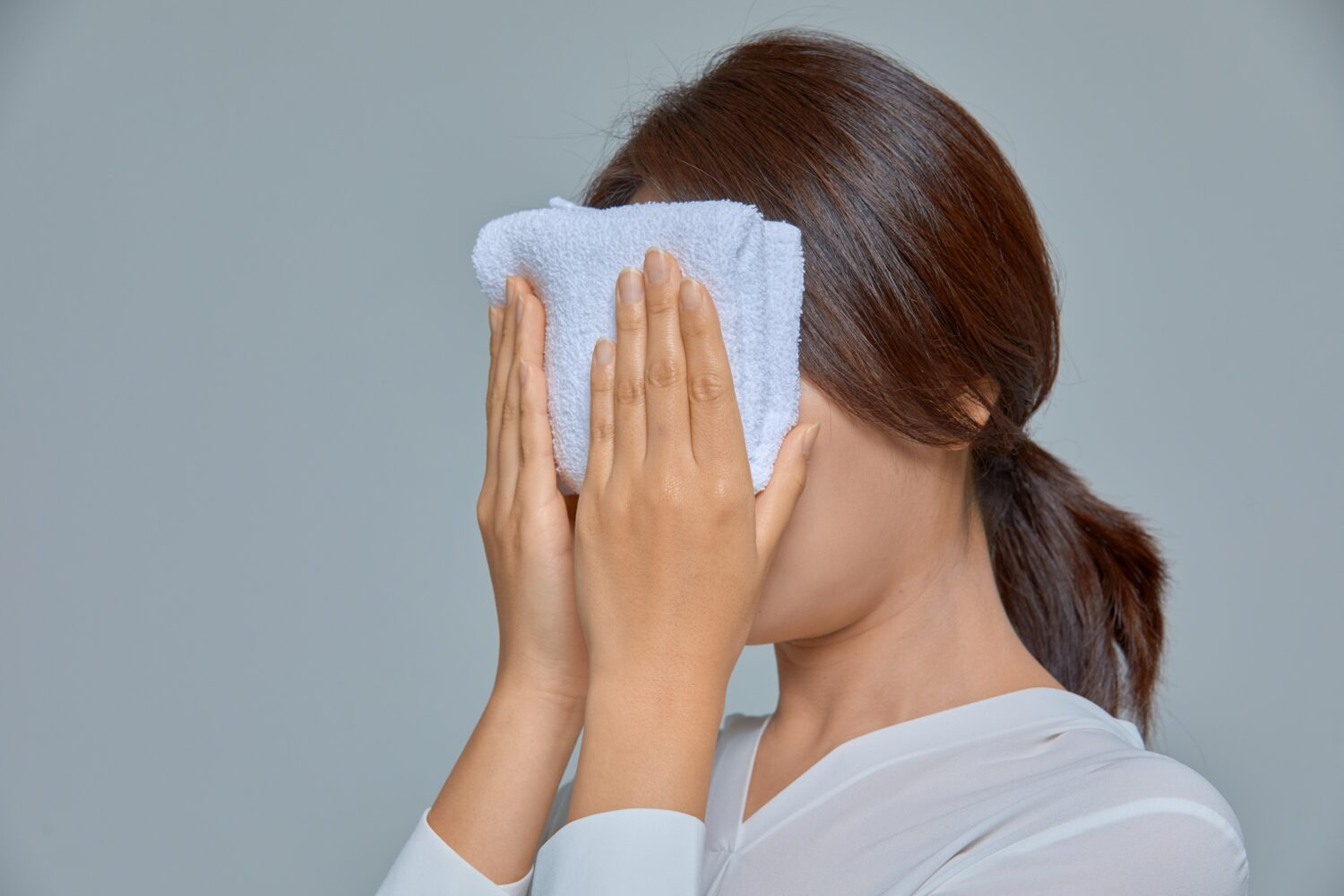
When artificial tears alone do not resolve the gritty sensation, warm compresses offer significant benefits. Asan Medical Center recommends applying a warm, damp towel over closed eyelids for 5 to 10 minutes as part of routine eyelid hygiene. The mild heat softens hardened oil within the meibomian glands, encouraging healthy oil flow and stabilizing the tear film. Care should be taken to ensure the towel is comfortably warm rather than hot to protect delicate eyelid skin.
If dry eye symptoms persist despite environmental adjustments, lubricating drops, and warm compresses, patients should consult an ophthalmologist for a comprehensive evaluation. Sudden vision loss, severe pain, or persistent inflammation warrant prompt medical care to rule out underlying ocular conditions.