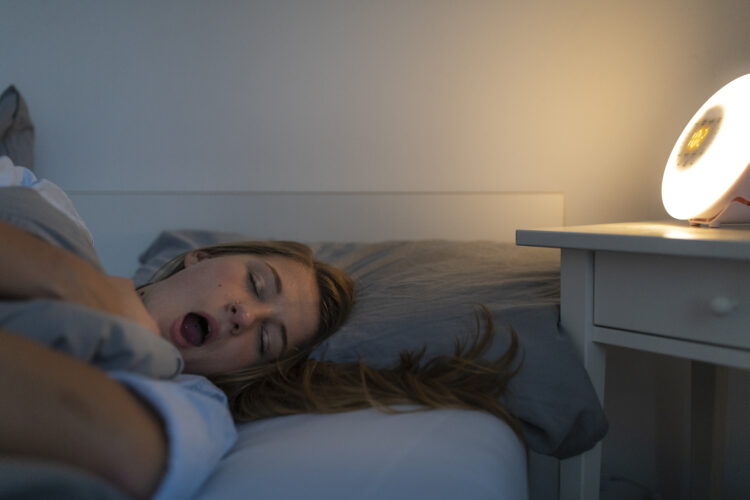
Many people routinely drift off to sleep under the glow of a smartphone or leave the television running late into the night. However, a growing body of scientific evidence warns that this habit of nighttime light exposure triggers more than just a poor night's rest—it is directly linked to weight gain and the accumulation of stubborn belly fat. Specifically, prolonged exposure to artificial light at night disrupts the delicate biological rhythms that govern appetite regulation and fat storage.
A landmark study by the U.S. National Institutes of Health (NIH), which tracked more than 43,000 women over a five-year period, revealed that individuals who slept with a television or an overhead light on in the bedroom faced a significantly higher risk of developing obesity compared to those who slept in pitch darkness. For anyone attempting to lose weight, public health experts suggest that the darkness of the sleeping environment may be just as vital a variable as diet and exercise.
The Hormonal Shift: Melatonin, Ghrelin, and Leptin
Extended exposure to artificial light after dark suppresses the secretion of melatonin, the hormone responsible for signaling sleep and regulating the body's internal clock. Beyond inducing rest, melatonin plays a foundational role in maintaining a healthy metabolism. When bright light penetrates the bedroom late at night, it tricks the brain into treating the environment as daytime, throwing off natural circadian rhythms.
This baseline disruption directly wreaks havoc on appetite control. Clinical studies show that as sleep duration decreases, the body experiences a sharp increase in ghrelin (the hormone that stimulates hunger) and a corresponding drop in leptin (the hormone that signals satiety). Furthermore, research from the University of Chicago demonstrated that sleep-deprived individuals consume significantly more high-calorie, sugary snacks on average. Consequently, keeping the lights on late into the night creates a behavioral loop that drives late-night cravings and increased caloric intake.
Screening Out the Glow: Practical Steps for Metabolic Health
While many assume a dim mood light or a bedside lamp is harmless, digital screens and modern LED bulbs deliver surprisingly intense light stimulation. In particular, the blue light emitted by smartphones, tablets, and televisions is a potent suppressor of melatonin. Studies indicate that even brief exposure to these wavelengths can instantly delay sleep onset and fragment sleep architecture.
In the NIH study, women who slept with a television or light on were 17% more likely to gain 5 kilograms (about 11 pounds) or more over the course of the study. The research team concluded that nighttime light exposure directly correlates with shorter sleep duration, broken biological cycles, and increased nocturnal eating. This pattern aligns closely with a rising trend among younger demographics who frequently consume high-calorie delivery foods while streaming videos late into the night.
To optimize metabolic health and protect against abdominal fat, sleep specialists recommend disconnecting from smartphones and dimming bright overhead lights at least one hour before bedtime. Bedrooms should be kept as dark as possible, utilizing low-brightness, warm indirect lighting only if completely necessary. Falling asleep with the television on remains a major culprit behind degraded sleep quality and metabolic dysfunction.
When chronic sleep deprivation sets in, next-day fatigue lowers physical activity levels while simultaneously spiking cravings for fast-digesting carbohydrates and sugars. Ultimately, successful long-term weight management requires looking beyond what is consumed during the day to actively managing the nighttime living environment.