
Shinyu, a member of the K-pop group TWS, is a certified raw fish fanatic, and he isn't shy about his culinary obsession.
In a video recently featured on the SBS KPOP X INKIGAYO YouTube channel, Shinyu played the role of a traditional sashimi restaurant owner, delivering a delightfully deadpan and playful performance. During the episode, he tackled several seafood-themed challenges, including guessing specific fish varieties simply by looking at a plated assortment and correctly identifying the origins of sea snails. "I eat sashimi so often that my mother even jokes she’s going to start sending me deworming medicine," Shinyu shared, underscoring his deep love for the dish. Concluding the video, he urged his fans to eat seasonal foods for their health and to carefully verify freshness whenever consuming raw seafood.
Raw fish and seafood—Shinyu’s absolute favorites—are widely regarded as excellent, high-protein dietary options. However, their nutritional profiles can vary significantly by species and preparation method. Furthermore, because these foods are consumed entirely raw, rigorous storage standards and hygiene are paramount.
Packed with Protein, Omega-3s, and Key Nutrients
The nutritional value of seafood depends heavily on the type of fish selected. White-fleshed fish, such as rockfish, flounder, and sea bream, are naturally low in fat and feature a clean, mild flavor profile, making them an excellent choice for a light meal. Conversely, oily fish like salmon and mackerel are densely packed with omega-3 fatty acids. These essential fats are highly beneficial for health, known to improve blood triglyceride levels and support optimal cardiovascular circulation.
During his media appearance, Shinyu also noted that he "prefers the springy texture of shrimp and loves giant tiger prawns so much that he even eats the heads." Crustaceans and mollusks like shrimp, squid, and octopus are rich in taurine, a compound celebrated for its ability to alleviate physical fatigue and assist in blood cholesterol management. Additionally, shrimp contains astaxanthin, a potent antioxidant compound responsible for the vibrant reddish hue seen in cooked crustaceans..
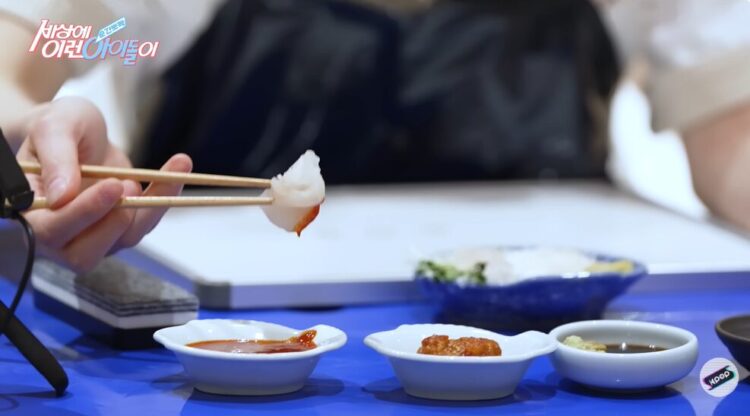
Watch the Chojang: How Dipping Sauces Drive Up Sodium
While raw fish and seafood are inherently healthy, real-world meals are heavily influenced by accompanying side dishes and condiments. Submerging sashimi in excessive amounts of chojang (a spicy-sweet red pepper paste and vinegar sauce) or soy sauce—or opting for fried, butter-grilled, or heavily seasoned iterations—can rapidly inflate your daily sodium and fat intake.
Pairing fresh sashimi with traditional spicy fish stews (maeuntang), instant ramen, or assorted fried sides can easily push the caloric count of a single meal far higher than anticipated. This is especially true if the meal doubles as a social drinking occasion, where overall food consumption tends to climb unchecked. To keep a seafood meal light and nutritious, it is best to pair raw fish with fresh vegetables, cut back on heavy dipping sauces, or choose clean cooking methods like steaming and grilling.
The Deworming Myth: Why Ordinary Pills Won't Stop Anisakis
It is a common practice among frequent sashimi eaters to take over-the-counter deworming medications on a routine schedule. However, standard deworming pills are not a universal shield against all marine hazards. The efficacy of these medications depends entirely on the specific type of parasite involved; common over-the-counter variants are designed to target intestinal infections like roundworm, pinworm, and hookworm, which are typically contracted via unwashed raw vegetables or contaminated soil.
Anisakis—the notorious parasite frequently associated with raw marine fish and often referred to as "whale roundworm"—presents a completely different medical challenge. Unlike typical intestinal parasites that quietly inhabit the digestive tract over time, Anisakis larvae trigger acute medical distress by actively burrowing into the stomach or intestinal wall. According to medical data from Seoul National University Hospital, infection occurs when saltwater fish are consumed raw or undercooked. Once infected, patients experience sudden, stabbing abdominal pain, severe stomachaches, nausea, and vomiting—symptoms that are easily misdiagnosed as acute gastritis, gastric ulcers, or standard indigestion. Because standard deworming medications have no effect on Anisakis, an endoscopy must be performed to physically locate and extract the larvae from the digestive lining.
Because a Anisakis infection is caused by ingesting live larvae embedded in the fish's flesh, it cannot be prevented through proactive medication. Rather than relying on a pill after the fact, the absolute priority must be minimizing exposure in the first place. If you experience suspicious, sharp gastrointestinal symptoms after eating raw fish, skip self-treatment and consult a medical professional immediately.

As Temperatures Rise, Prioritize Freshness and Proper Storage
As Shinyu rightly emphasized to his fans, monitoring freshness becomes increasingly critical as seasonal temperatures climb. Raw fish and shellfish carry an elevated risk of rapid bacterial proliferation if left sitting at room temperature for even short periods.
To effectively mitigate the risk of Anisakis, consumers should avoid eating the internal organs of the fish and strictly purchase seafood from vendors that practice impeccable hygiene immediately following the cleaning process. While the larvae can be successfully neutralized by freezing the fish at -20°C or below for at least 24 hours, or by cooking the meat thoroughly, domestic home freezers rarely maintain the consistent, ultra-low temperatures required to guarantee safety. Therefore, rather than prepping raw wild fish at home, it is far safer to purchase sashimi from verified, professionally managed establishments and consume it immediately.
Additionally, avoid transporting packaged sashimi over long distances without refrigeration, never consume raw fish that has sat out at room temperature following a delivery, and exercise extreme caution before refrigerating leftover sashimi to eat the next day. If the seafood emits a strong, overly fishy odor or exhibits a slimy surface texture, play it safe and throw it away.