If you typically skip breakfast or grab a quick piece of toast, it may be time to rethink your morning routine. Research suggests that a protein-centered breakfast is one of the most effective ways to regulate your appetite throughout the day and manage your total calorie intake.
High-Protein Breakfasts and Calorie Control
Prioritizing protein in the morning can lead to a significant reduction in total daily calories. According to research, individuals who either skipped breakfast or consumed a low-protein meal (averaging 13g of protein) tended to feel hungry sooner. This often led to an increase in total daily consumption by an average of 400 calories, subsequently contributing to higher body fat.
In contrast, participants who consumed a high-protein breakfast of approximately 350 calories containing 35g of protein felt more energized and were able to manage their afternoon food intake more effectively. Over time, this pattern encourages the body to utilize stored fat more efficiently.
Blood Sugar Regulation and Appetite Suppression
The secret to protein’s effectiveness lies in its ability to stabilize blood sugar. By keeping glucose levels steady, a protein-rich meal helps maintain a healthy body composition and reduces the sudden urges to overeat.
While the study utilized 35g of protein—the equivalent of about six eggs—experts note that you do not necessarily need that much to see results. Consuming between 24g and 30g of protein at breakfast is sufficient to provide meaningful appetite-suppressing benefits and support weight management.
How to Reach the 30g Goal
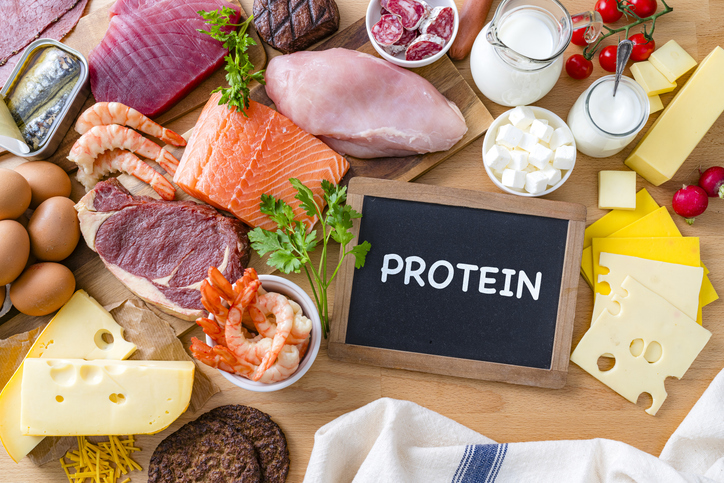
Achieving a high-protein intake in the morning is simpler than it sounds. To reach approximately 30g of protein, consider the following options:
Omelets: A 2-to-3-egg omelet seasoned lightly and paired with low-sodium cheese or a glass of milk.
Oatmeal Power Bowls: A glass of milk served with oatmeal, blueberries, and a handful of nuts.
Lean Proteins: Approximately 100g of chicken breast provides a similar protein punch and can be easily added to a morning wrap or salad.
Some nutritional research suggests that for optimal weight loss, 15% of total daily calories should come from protein. By focusing on this key nutrient during your first meal of the day, you can better control your appetite and maintain a healthy weight more consistently.