Menopause marks a significant transition as ovarian function declines and the production of female hormones ceases. This period often leaves women feeling physically and emotionally exhausted, as the disruption of hormonal balance triggers a range of symptoms. Physically, women may face hot flashes, joint pain, and urinary incontinence; mentally, they may struggle with insomnia, depression, and anxiety. However, strategic dietary choices can help manage these shifts. Here are five foods particularly beneficial for navigating menopausal symptoms.
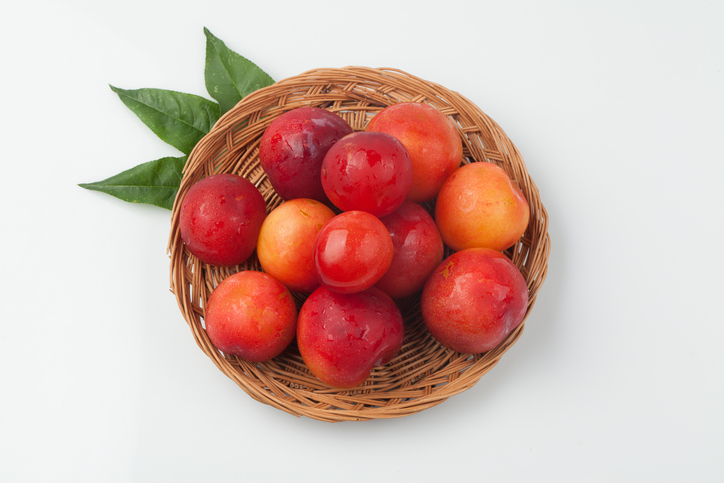
Plums: Enhancing Bone Density and Weight Management
Plums are a potent source of anthocyanins, antioxidant flavonoids that help prevent chronic diseases. Research indicates that plums can improve bone mineral density in menopausal women—a critical benefit as estrogen levels drop—and support weight loss. Additionally, plums contain boron, a mineral that may enhance estrogen activity in the body.
Legumes: Managing Incontinence and Hormonal Balance
Urinary incontinence affects approximately 30% of menopausal women and is frequently linked to depression. Soybeans, particularly black soybeans, are rich in isoflavones. These compounds share a similar structure to estrogen and are often referred to as phytoestrogens for their ability to support hormonal activity.
Soy protein also contains antihypertensive peptides that help regulate blood pressure and reduce sodium-related calcium loss, protecting against osteopenia. Furthermore, the phytic acid and lipids in soy may lower the risk of cardiovascular diseases, while the "warming" properties traditionally attributed to soybeans can alleviate the chills some women experience.
Pomegranate: A Natural Source of Phytoestrogens
The pomegranate is perhaps the most iconic food for menopausal health. It is exceptionally rich in phytoestrogens, which help compensate for the sharp decline in natural estrogen. Since these beneficial compounds are concentrated in the seeds, it is recommended to consume them whole or ground. Pomegranates also contain tannins that support vascular health and healthy blood pressure, countering the increased risk of atherosclerosis during menopause.
Milk: Supporting Bone Health and Restful Sleep
While milk is widely recognized for strengthening bones and preventing osteoporosis, its benefits extend to mental health. Menopausal insomnia and anxiety are common, and milk contains tryptophan, an essential amino acid. Tryptophan serves as a precursor to serotonin, a neurotransmitter that regulates mood and sleep. Incorporating tryptophan-rich foods like milk, yogurt, cheese, and eggs can help alleviate depression and improve sleep quality.
Apples: Lowering Cholesterol and Stroke Risk
As blood vessels lose elasticity during menopause, the risk of atherosclerosis and stroke rises. The dietary fiber in apples helps clear "bad" (LDL) cholesterol while boosting "good" (HDL) cholesterol. According to research cited by the American Stroke Association, regular apple consumption is linked to a 52% lower incidence of stroke. Apples are also high in potassium, which inhibits calcium excretion, further contributing to bone strength. Similar cholesterol-lowering benefits can be found in barley and oats.